Best IT MSP · Blog
The Best IT MSP blog is the research team's library of data-backed guidance on cybersecurity and AI for small and midsize businesses. Every article leads with a direct answer, cites primary sources (IBM, Verizon DBIR, Microsoft, FBI IC3, and similar), and translates enterprise data into what it means for a smaller firm.
Cybersecurity and AI guidance for SMBs, every figure cited to a primary source.
Patch window approval decides whether a patch lands or waits. Name the approver, the standing window and the escalation, or your provider decides for you.
Block the three website categories with documented security harm, leave the rest to an acceptable use policy, and run unblock requests without a revolt.
Your provider says it is all documented. Five tests tell you whether the IT documentation you were handed is current, owned and usable.
A business impact analysis should produce a ranked list of functions, a cost per hour of downtime, and your recovery targets. Here is how to check yours.
How we vet an IT provider: six checks that need nobody's permission, what each one proves, and the four questions only a conversation can answer.
Tool consolidation is a cost and exit decision, not a preference. What a suite bundles, the license arithmetic buyers get wrong, and how to price both exits.
Falling ticket volume can mean fewer problems, or that staff stopped reporting. Four causes, and the numbers that tell them apart.
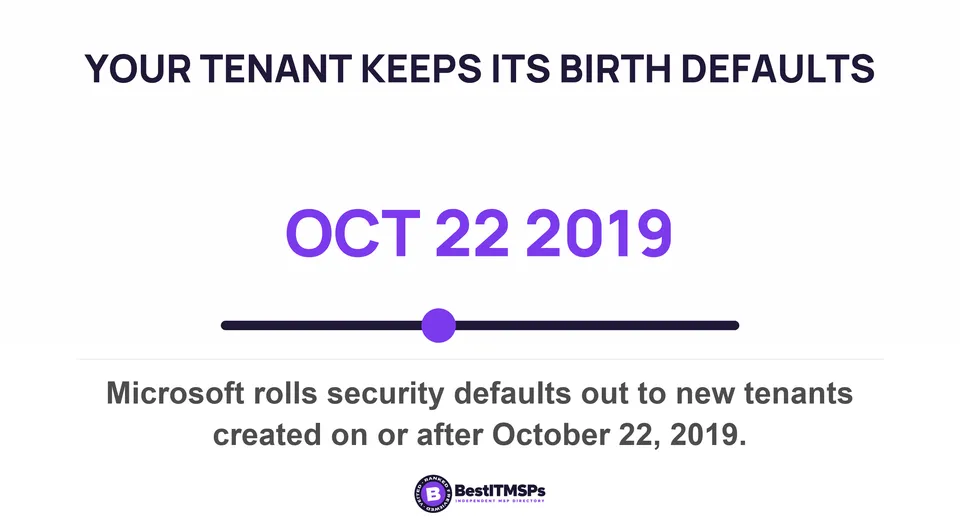
An old Microsoft 365 tenant keeps the settings it was created with. Six signs of a fast, cheap setup three years ago, and the one check each needs.
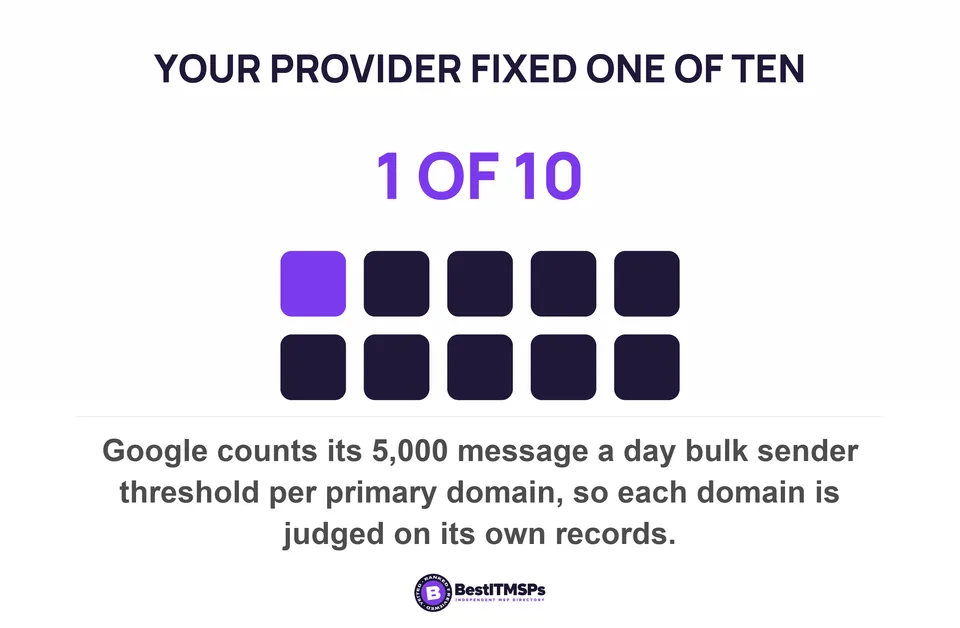
Email authentication is a per-domain property. Your provider fixed the main domain. Here is how to inventory and check the other nine yourself.
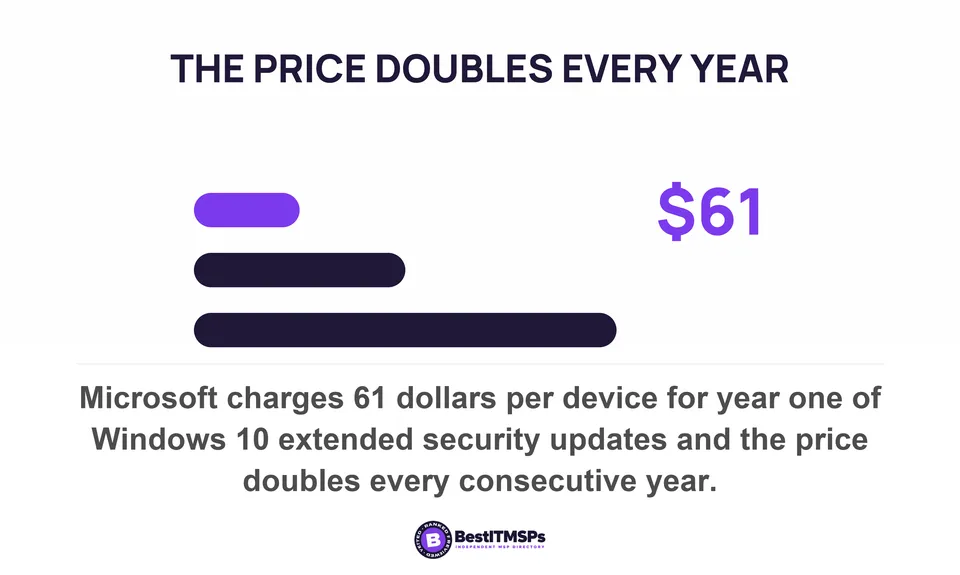
A technology roadmap of themes cannot be managed. Learn which roadmap dates are published facts, which numbers belong on each row, and who owns them.
Shared logins break attribution, not just security. Which ones you can fix for nothing, which are genuinely hard, and what to do about those.
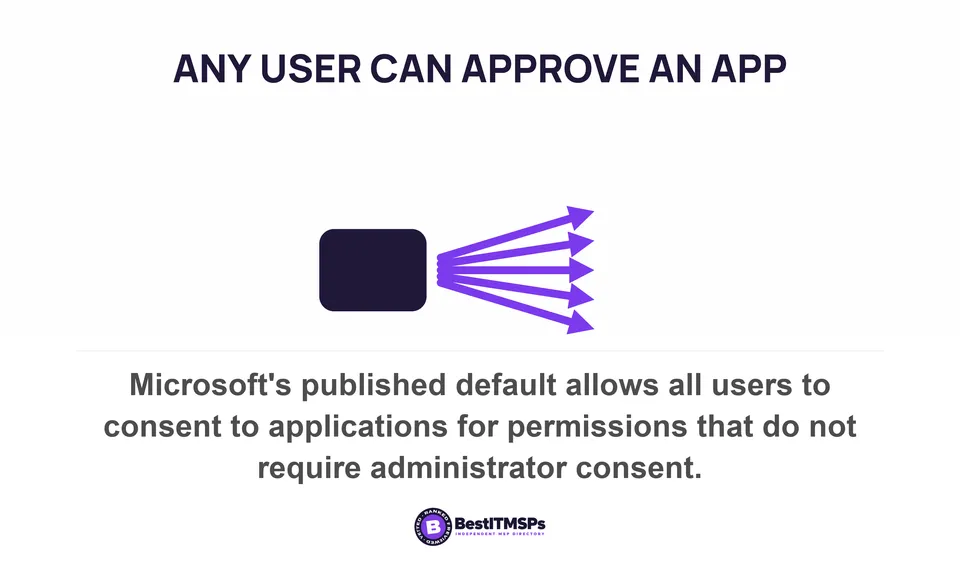
What causes shadow IT is a buying route too slow to use. The default that lets any user approve an app, and a procurement process that beats a personal card.
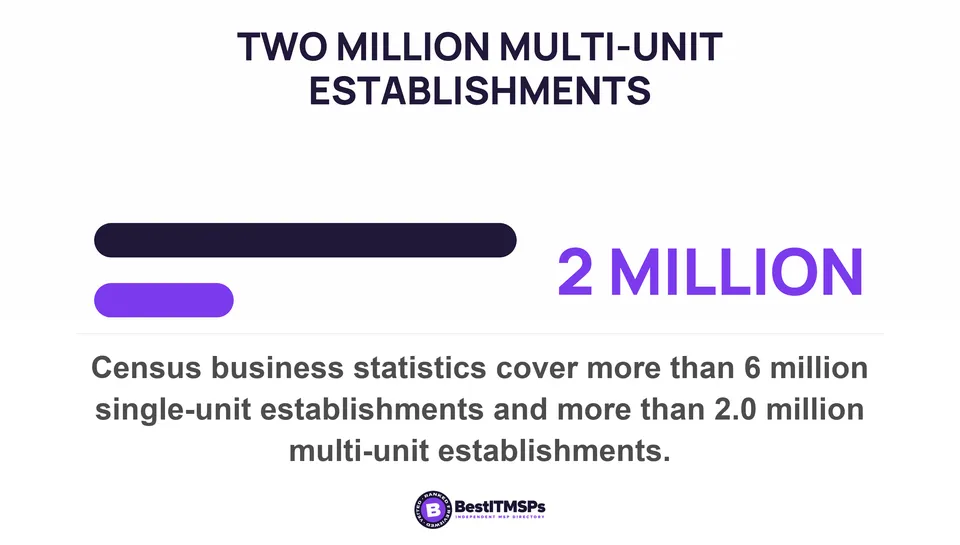
The IT decisions for a second office are cheapest before the lease. What to check about the building, the lead times, and the clauses that matter.
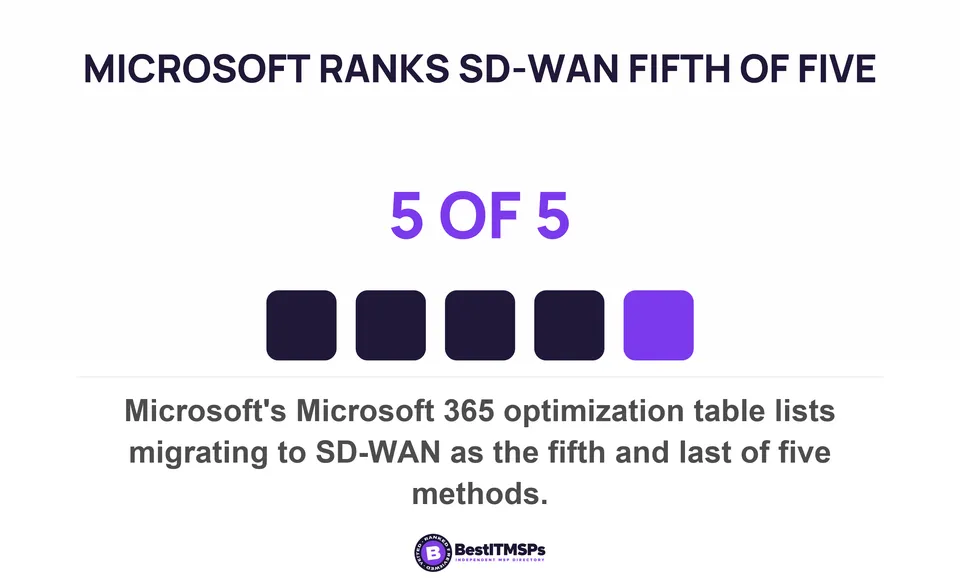
SD-WAN for two sites is usually oversold. What it adds over a second circuit and the firewall you own, and the four conditions that justify it.
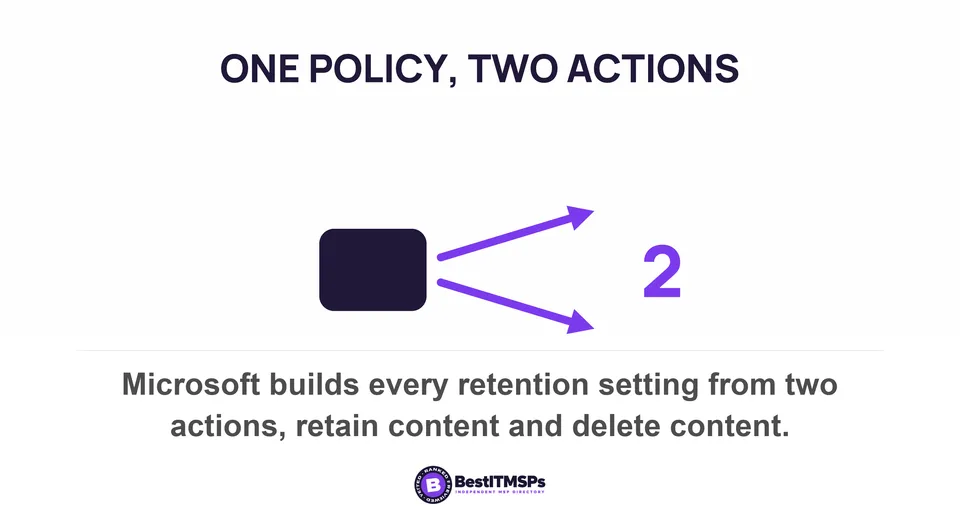
A retention policy is a deletion schedule as much as a preservation rule. Here is how to tell which one your provider gave you, and what to ask for.
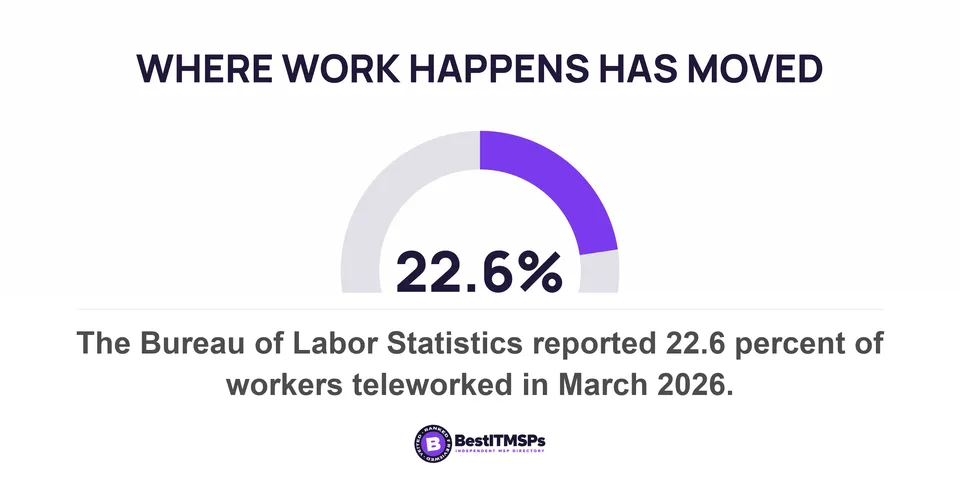
You closed the office but still pay for a building. Here are the three IT contracts that stop fitting a remote-first business, and what to ask for.
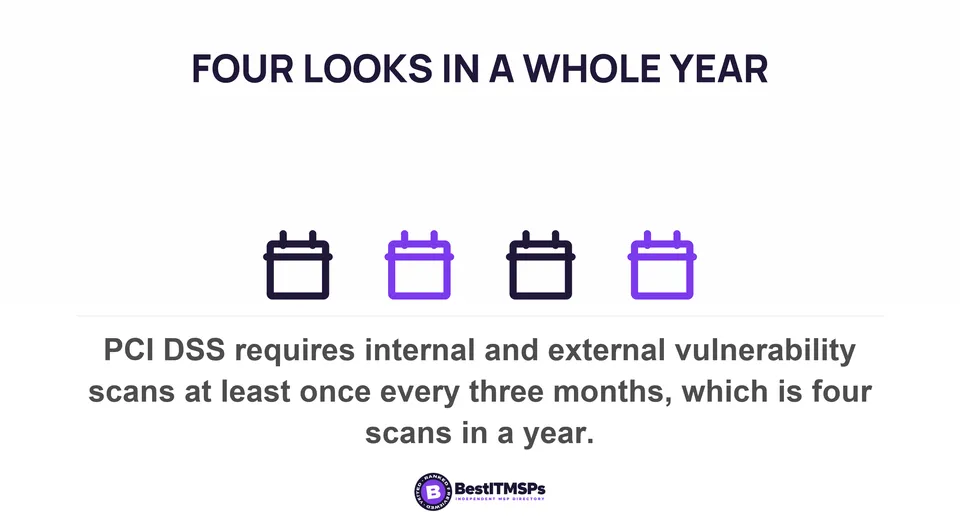
Quarterly vulnerability scanning is a compliance interval, not a detection cadence. PCI DSS says three months. Your vendors ship security fixes monthly.
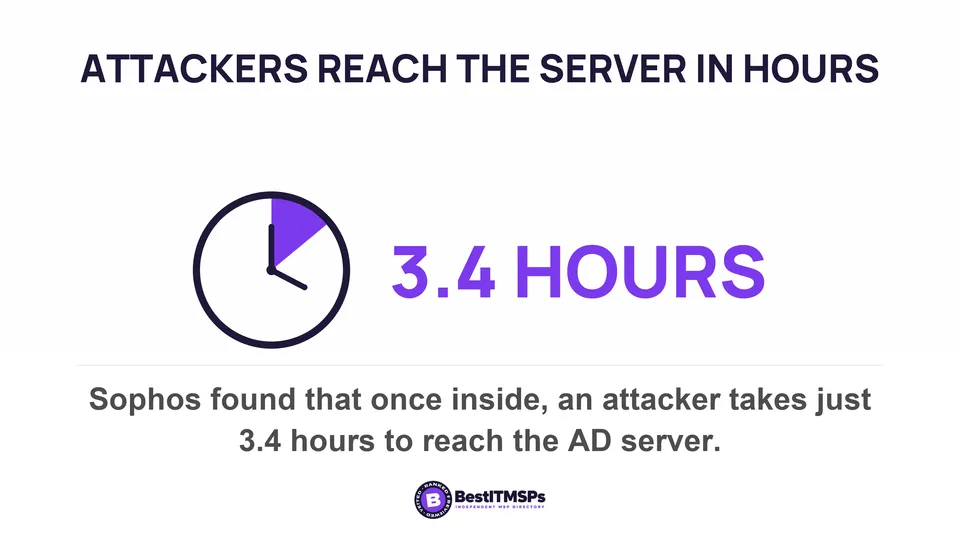
Punishing employees for failing phishing tests suppresses the clicker's own report. See what the NCSC advises, and the four settings to fix this week.
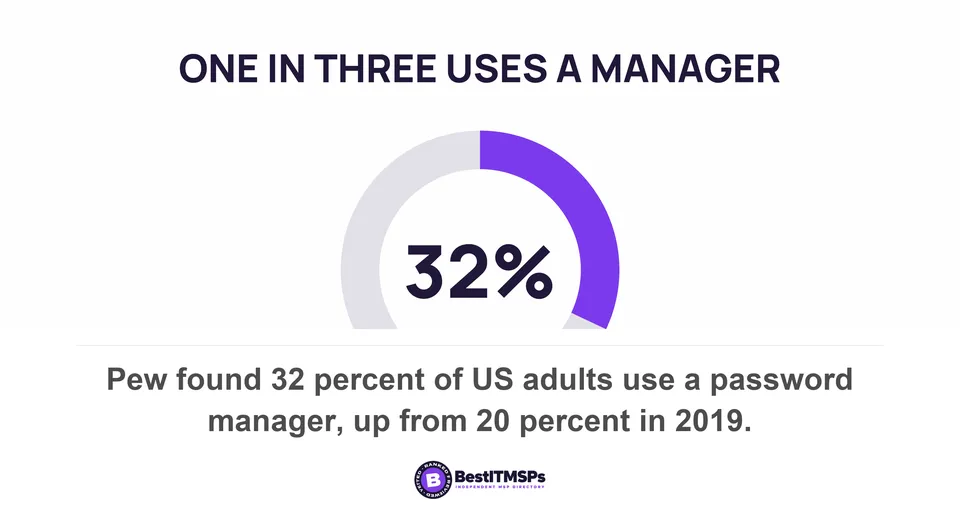
A password manager rollout fails on migration, recovery and ownership, not software. What published guidance says, and what to ask your IT provider.
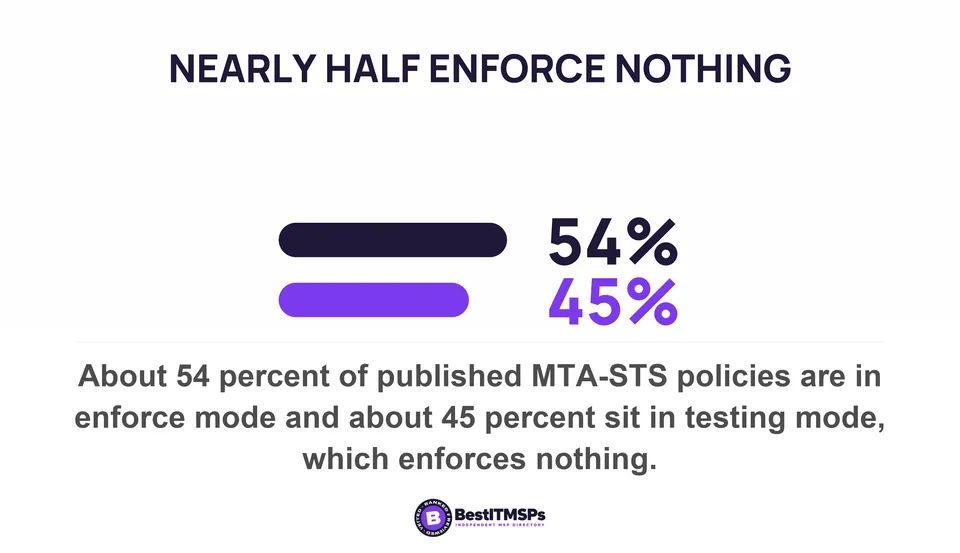
Your provider wants MTA-STS and BIMI after DMARC. One is a published standard with a free half. The other rents you a certificate. A buyer's verdict on each.
A separate MSP onboarding fee needs a deliverable list. What the work really is, how to convert the fee into hours, and four tests that prove it happened.
A monthly security report should show coverage, silent log sources and tested detections. Six tells that yours is padding, and nine lines to ask for.
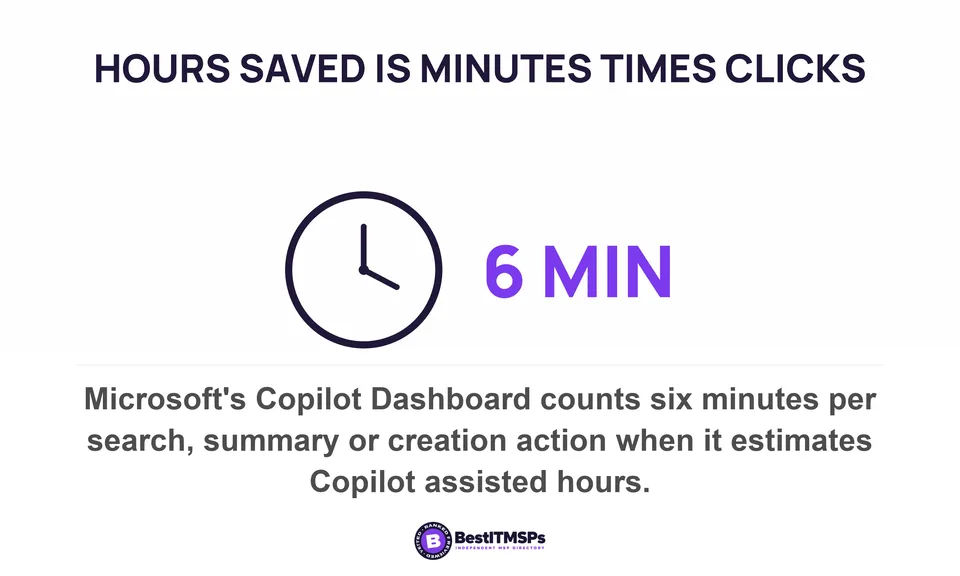
Your AI licenses promised hours saved. Measuring AI time savings needs a baseline nobody recorded. Here is what you can still prove, and how.
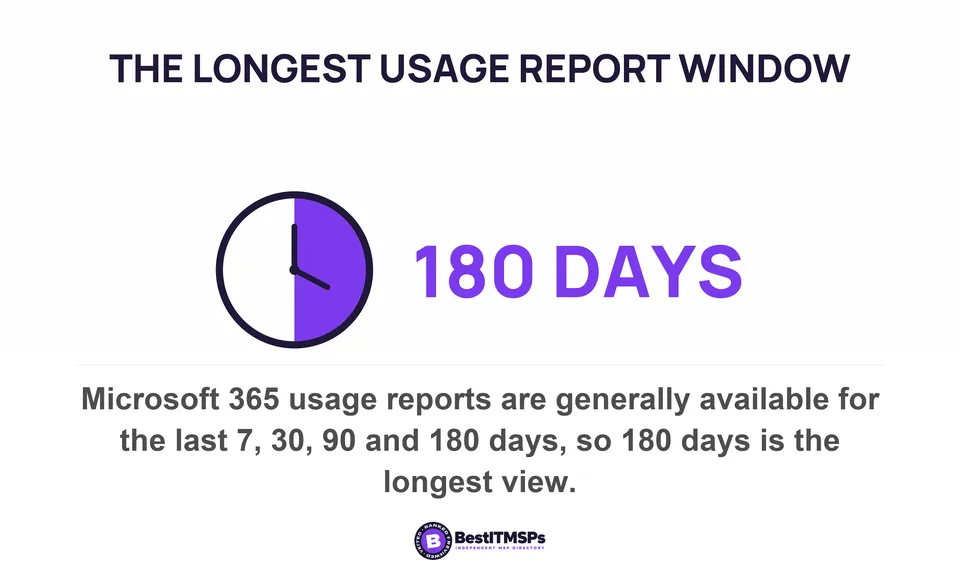
License reclamation starts with one export. Microsoft's usage report puts each assigned license beside the date it was last used. The window stops at 180 days.
Your invoices land in spam and your provider says email is working. Both are true. Here is what decides delivery, and who owns each of the five fixes.
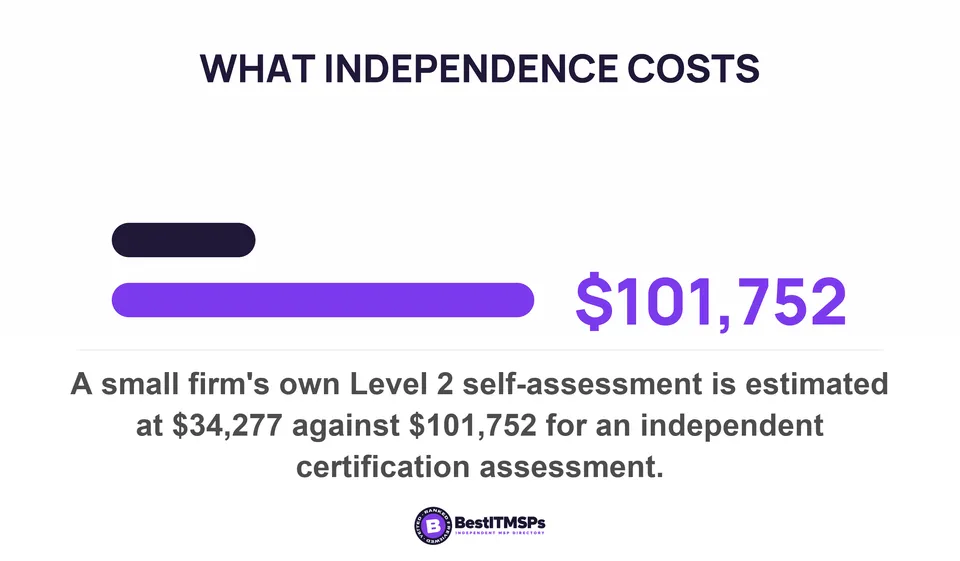
A gap assessment has no standard definition. See what the deliverable must contain, what the Defense Department says it costs, and how to specify it.
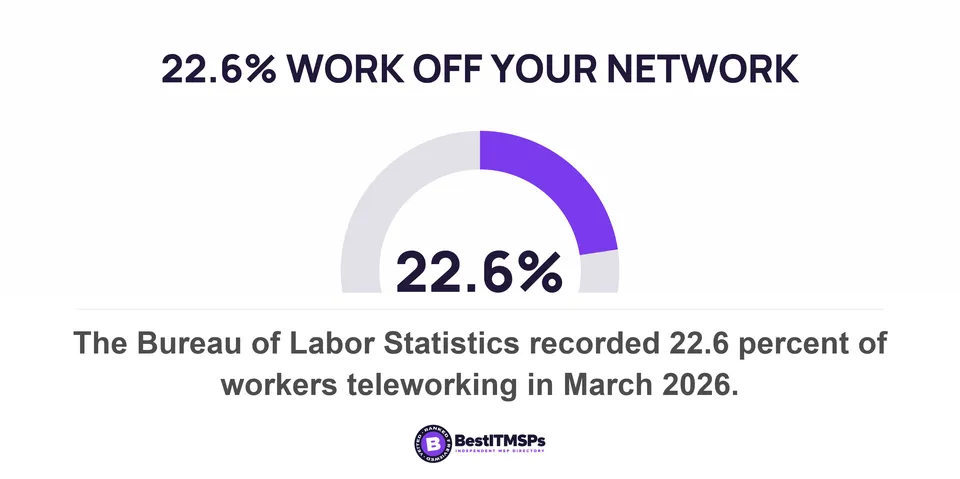
Web filtering for remote workers fails quietly. Test from a laptop away from the office whether the filtering you pay for actually followed the device.
Your account manager is pleasant and nothing improves. When to escalate past your account manager, the record to bring, and the remedy to ask for.
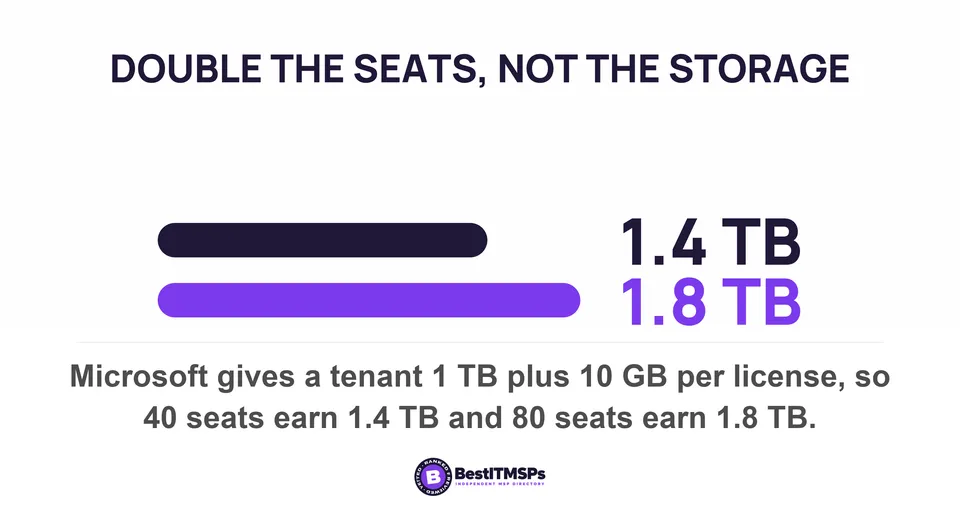
Doubling headcount IT costs: which lines scale per person, which are per business, and what to negotiate with your provider before you hire.
Conditional Access is Microsoft's if-then rule for sign-ins. The three policies a small business needs, and how to check which ones are switched on.
Can an MSP make you compliant? No regime moves the duty. The five compliance acts only your business can perform, and the oversight you gain by hiring.
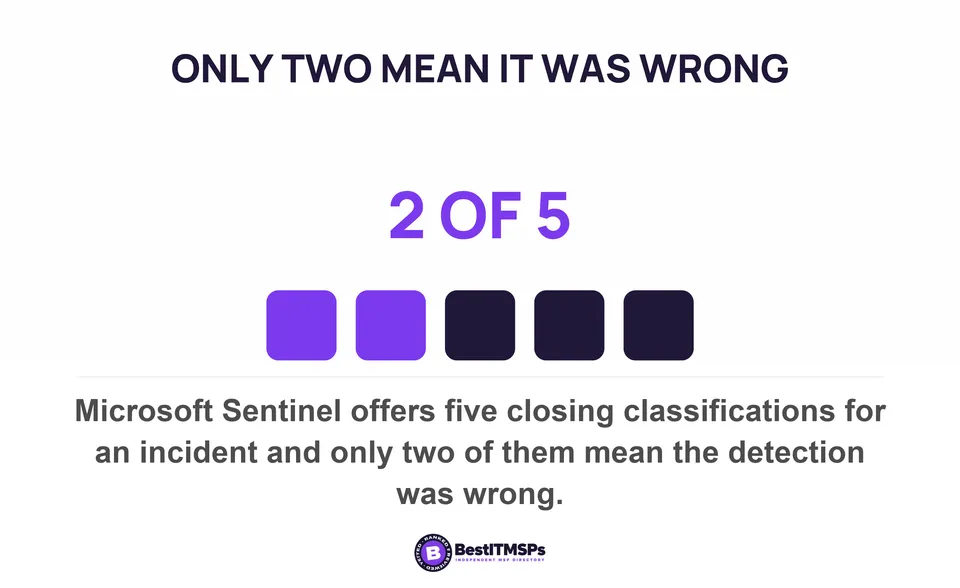
Your provider tunes out noise, and it must. Here is how alert suppression works, what the record should show, and how to spot tuning that hides a problem.
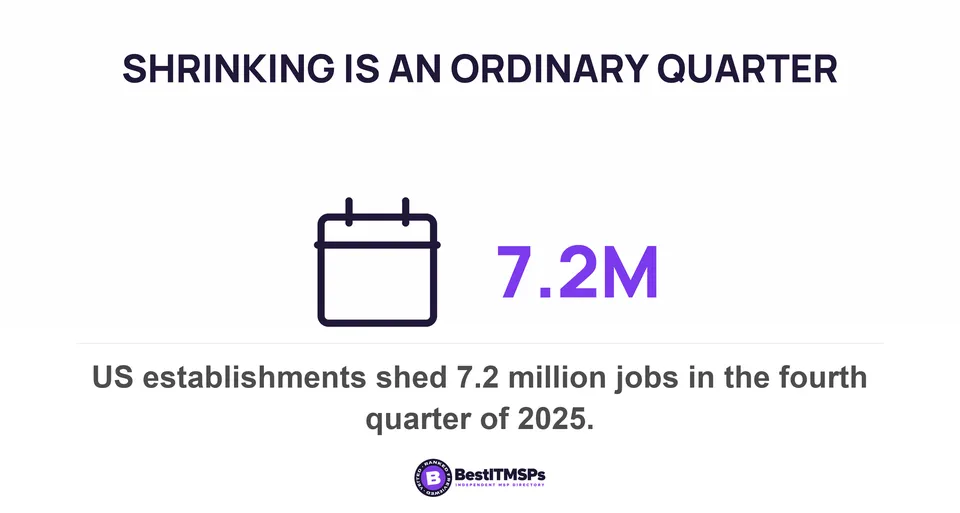
Your MSP bill rises with every hire and rarely falls. Where the MSP minimum seat count holds the floor, and the wording that makes it fall.
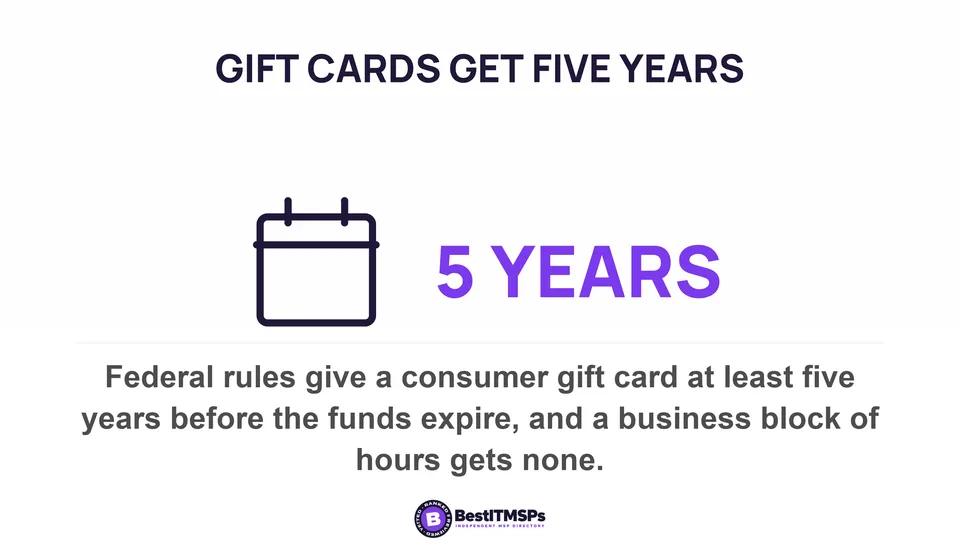
Block hours expire, and a block breaks even only while the share of hours that lapse stays below your discount. What you buy and what to ask for.
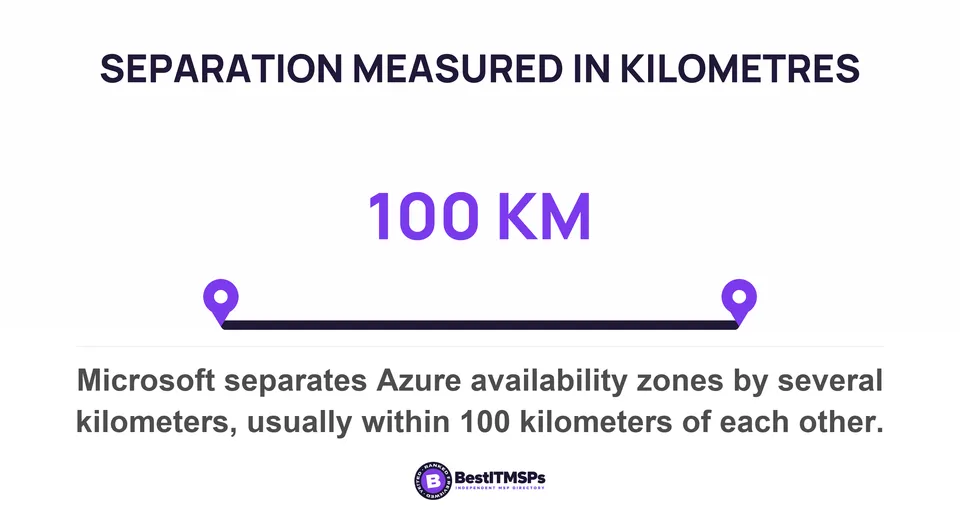
If one event can take your data and your backup together, you have one copy. How to count shared dependencies, and the restore test that proves separation.
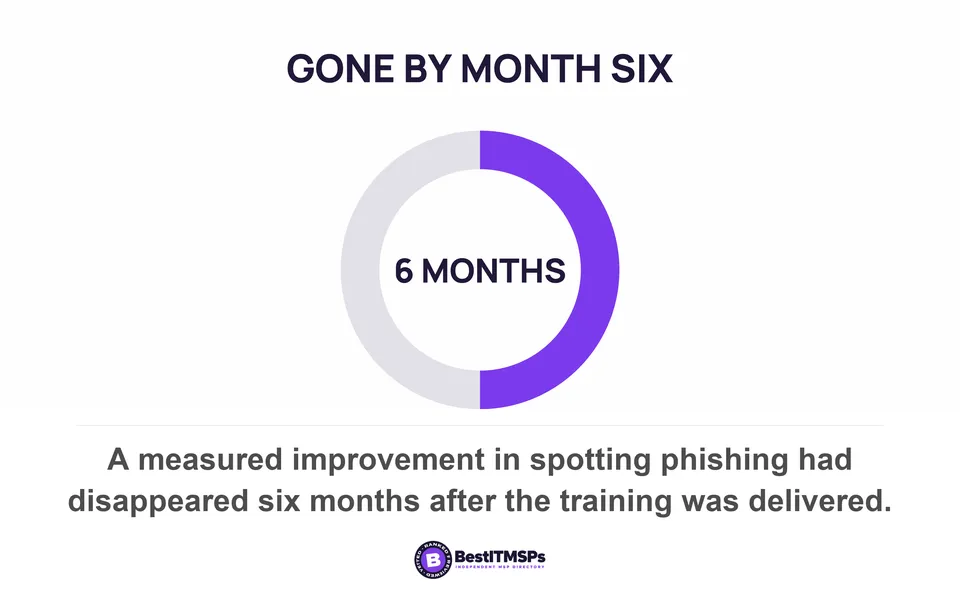
Annual security awareness training is a regulatory floor, not a plan. One field study found the measured gain gone by month six. Here is the cadence to buy.
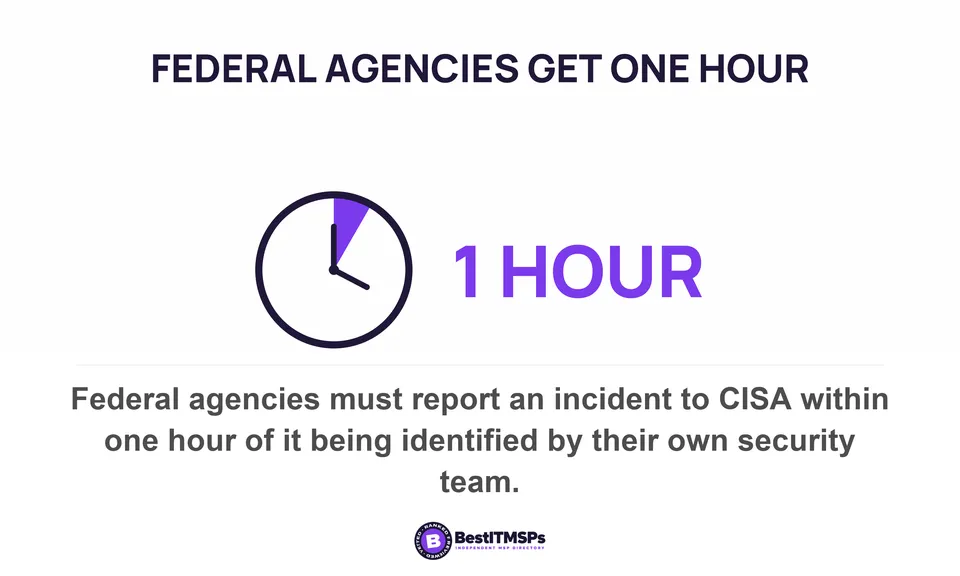
An alert fires at 2:14am. Every breach notification clock starts when a human knows, not when the tool fired. Four lines to fix that in your MSP contract.
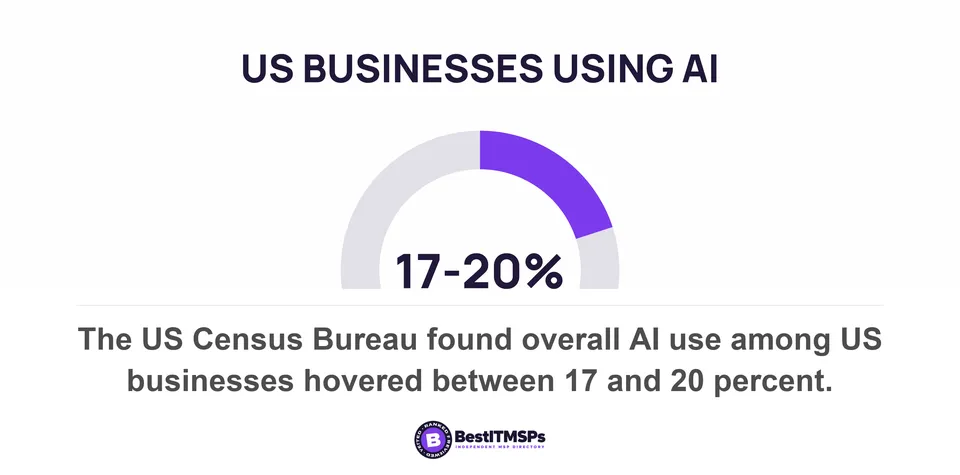
Agentic AI access means software that acts, not just answers. Five questions to settle about identity, permissions and the audit record before you grant it.
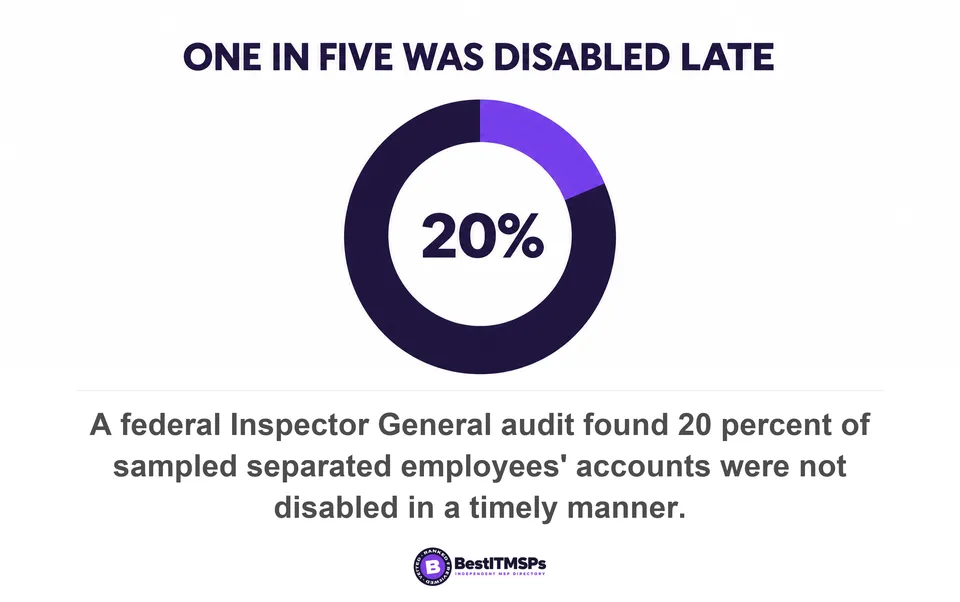
A user access review in the right order: admin roles first, the user list last. A federal audit found 20% of sampled leavers' accounts were disabled late.
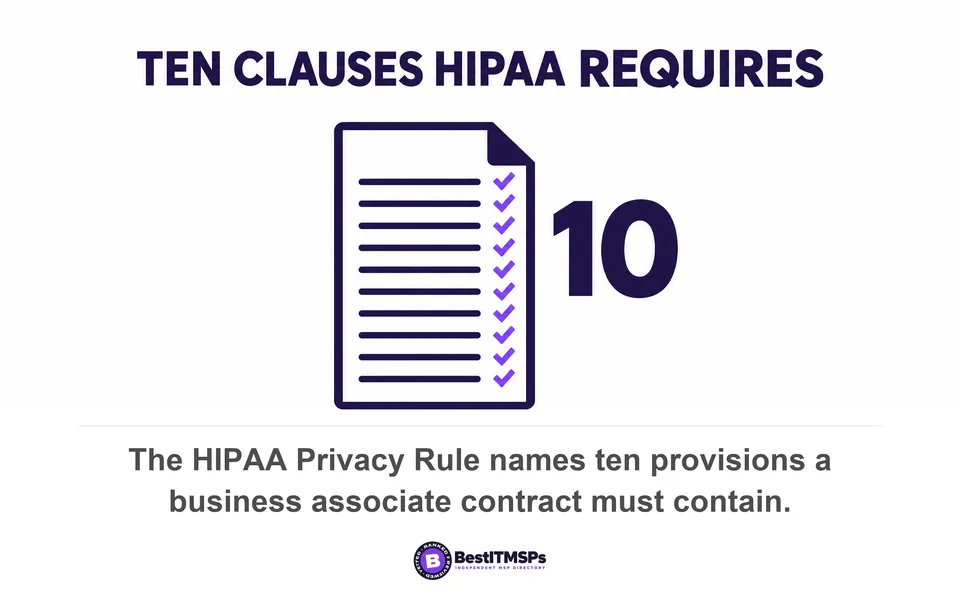
Who signs the business associate agreement, you or your MSP? The 10 provisions HIPAA requires, the 60-day clock, and what a signature cannot transfer.
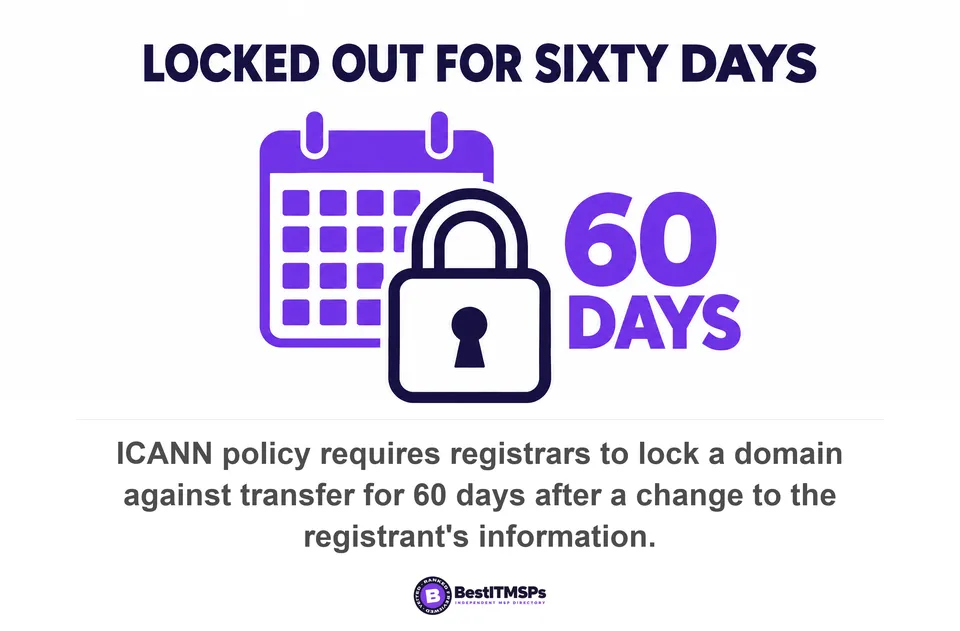
Who controls your DNS records? A free lookup names your registrar and nameservers in a minute. Here is how to check, and what to fix first.
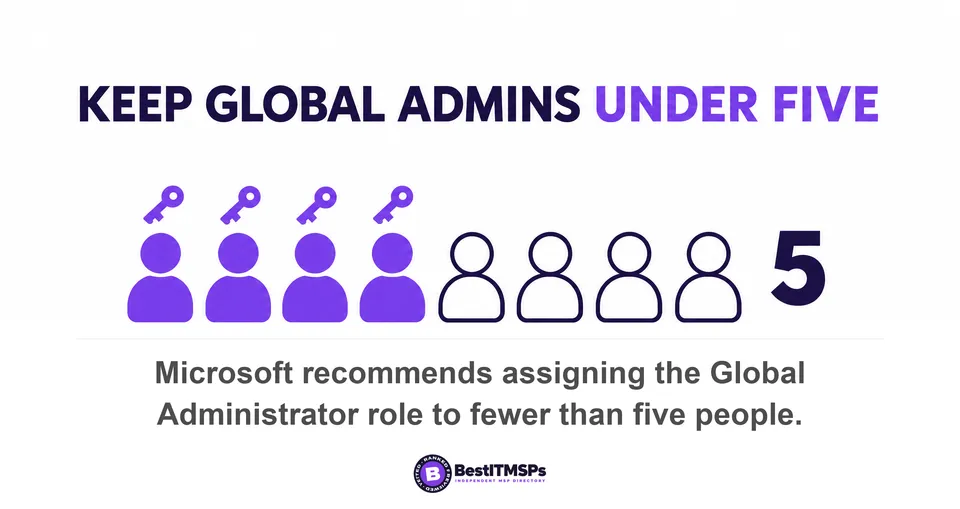
Microsoft 365 Global Administrator is the most powerful role you own. How to list who holds it in two minutes, and the arrangement to insist on.
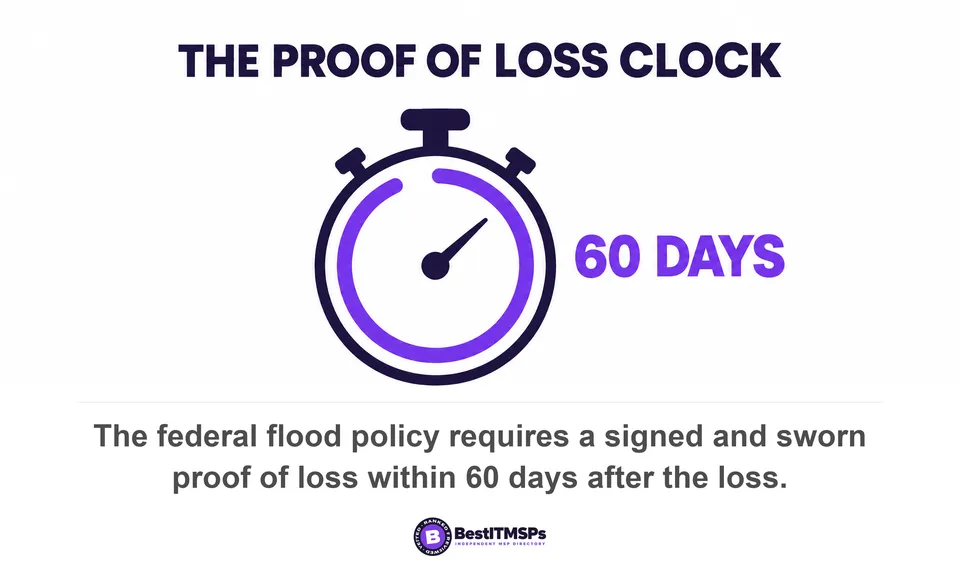
Cyber insurance backup evidence has to exist before the incident. See what a restore log must show, and which application answers get ticked too fast.
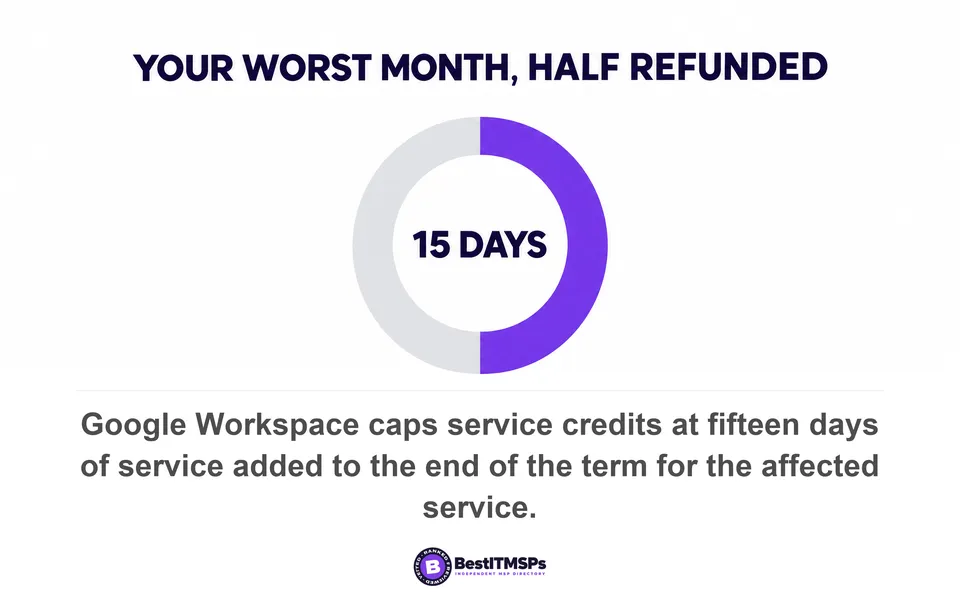
Google pays 3 to 15 days of service, in cash only if you are billed monthly. AWS pays 10 to 100 percent of one region's bill. What a service credit is worth.
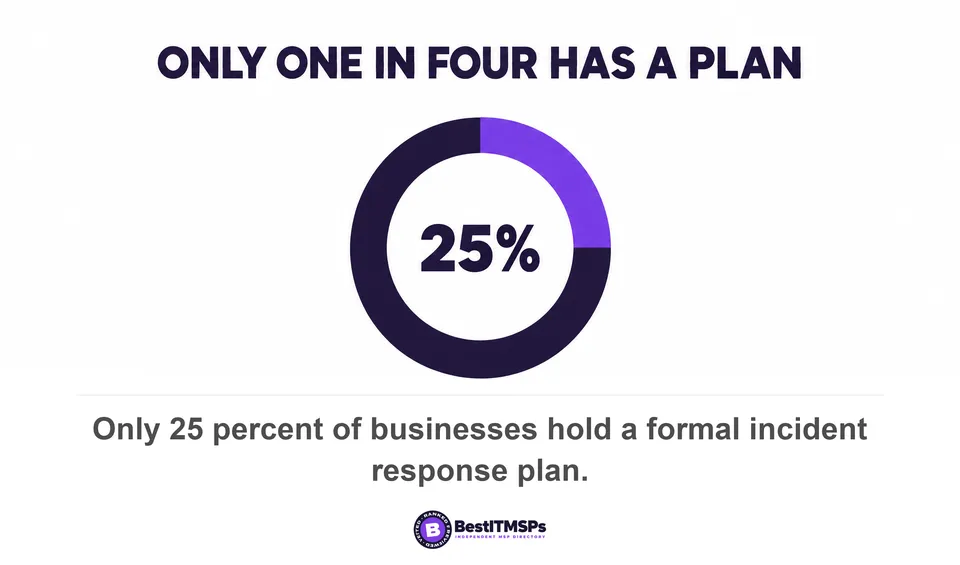
Your provider delivered a plan nobody has run. An untested incident response plan leaves no after action report, and that missing document is the proof.
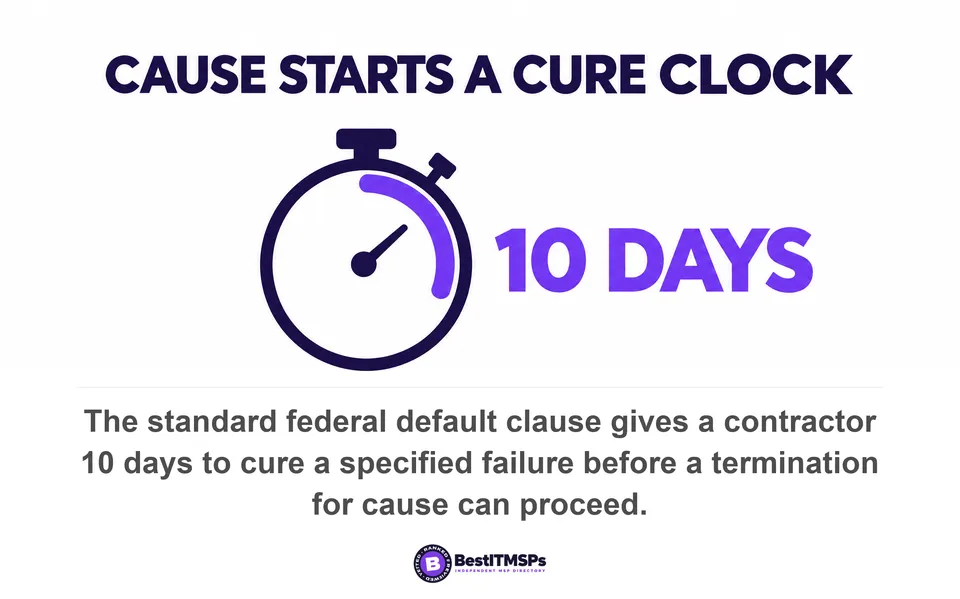
Termination for convenience is the right to leave without proving fault. Find the clause in your own MSA, price the exit, and get the language to ask for.
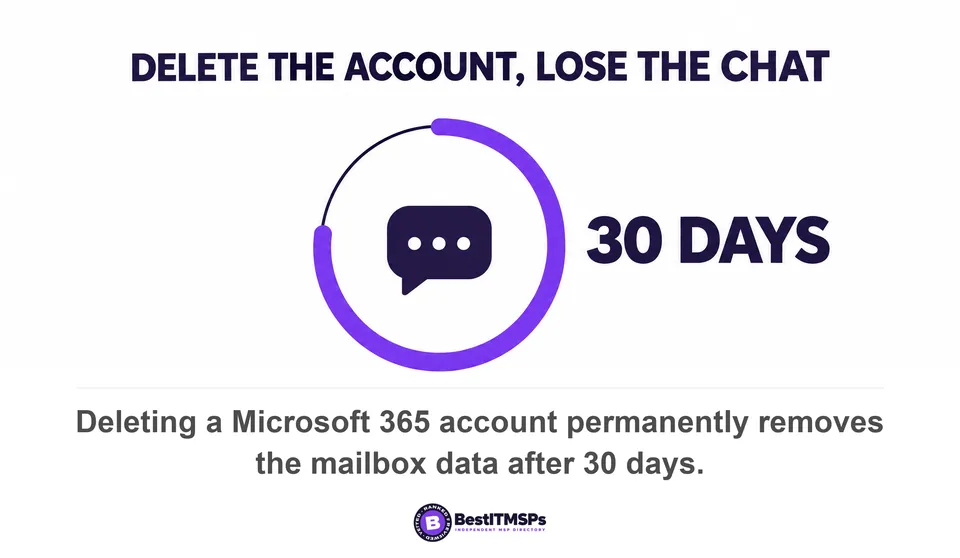
Teams data in a legal dispute: where chat actually lives, what deletes it, which license tier can preserve it, and what to do in the first week.
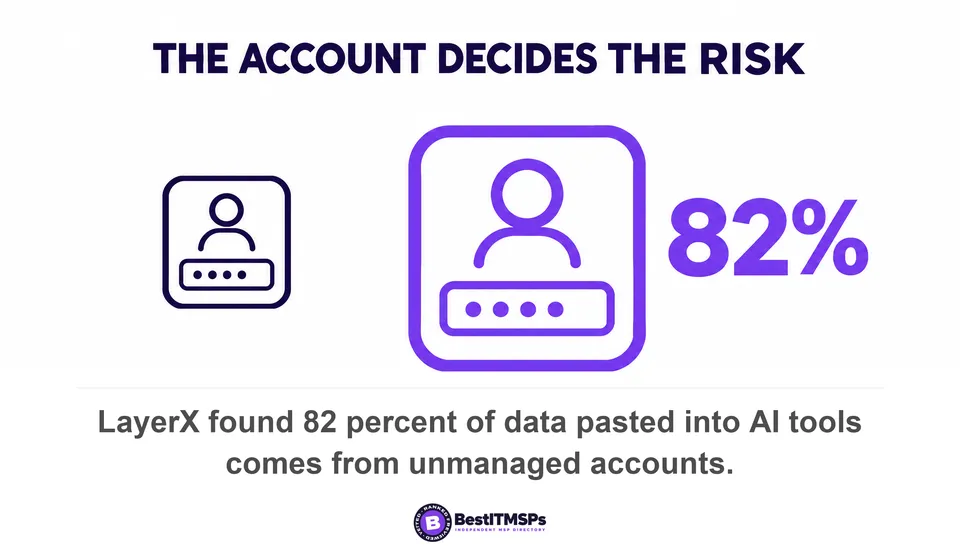
AI data leakage is decided by the account your staff use, not the model. What ChatGPT, Claude and Gemini keep, and the fix that works.
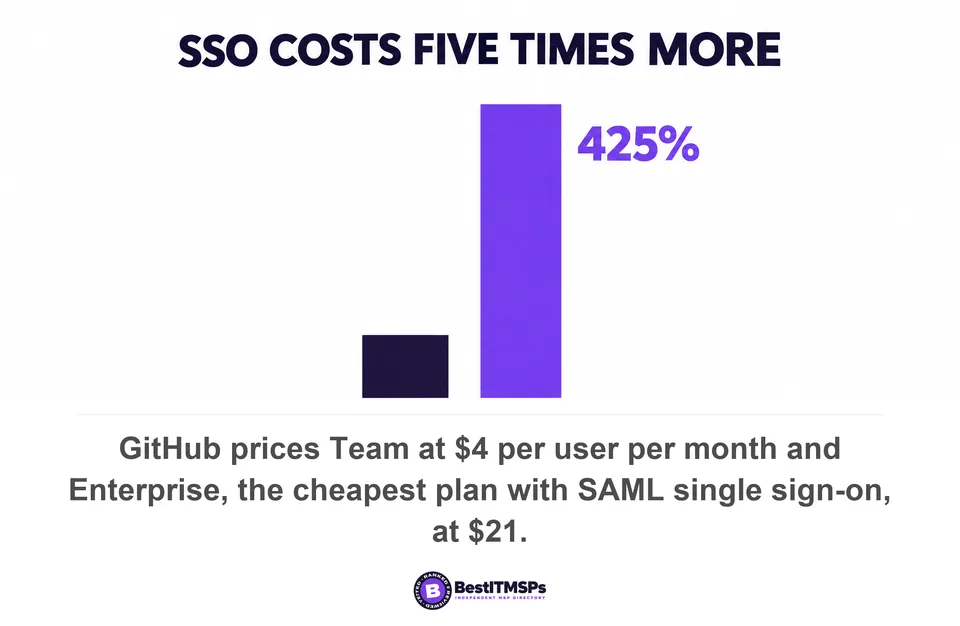
Some apps put SSO behind an enterprise tier costing 5 times more per user. Here is what the gap really costs, and what to do when you cannot pay it.
Five people and no IT? Small business IT setup in honest order: own your identity first, then MFA, backup, devices. What you can skip until 15 people.
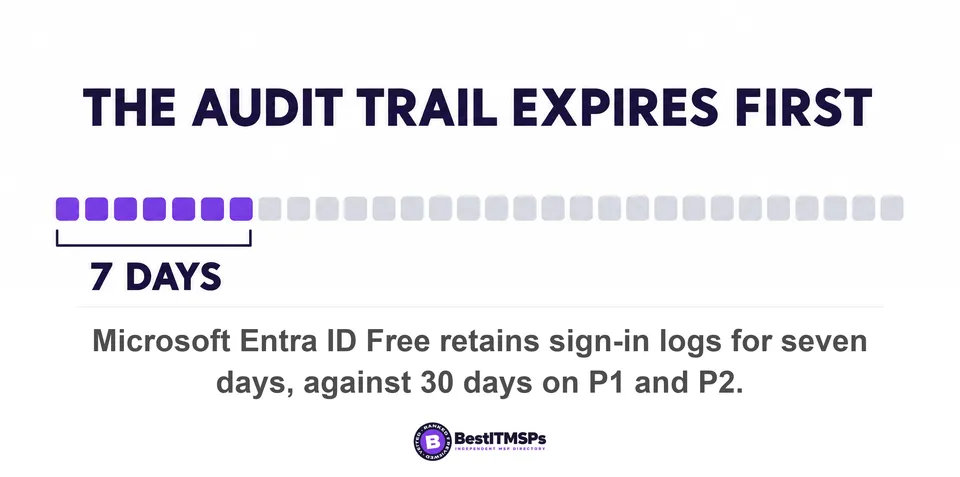
Every business has logins that belong to software, not people. They skip MFA by design. How to find your service accounts and what to ask your IT provider.
Your MSP showed you a Microsoft Secure Score percentage. Microsoft says it is not a measure of breach likelihood. Here is what it counts, and what to ask.
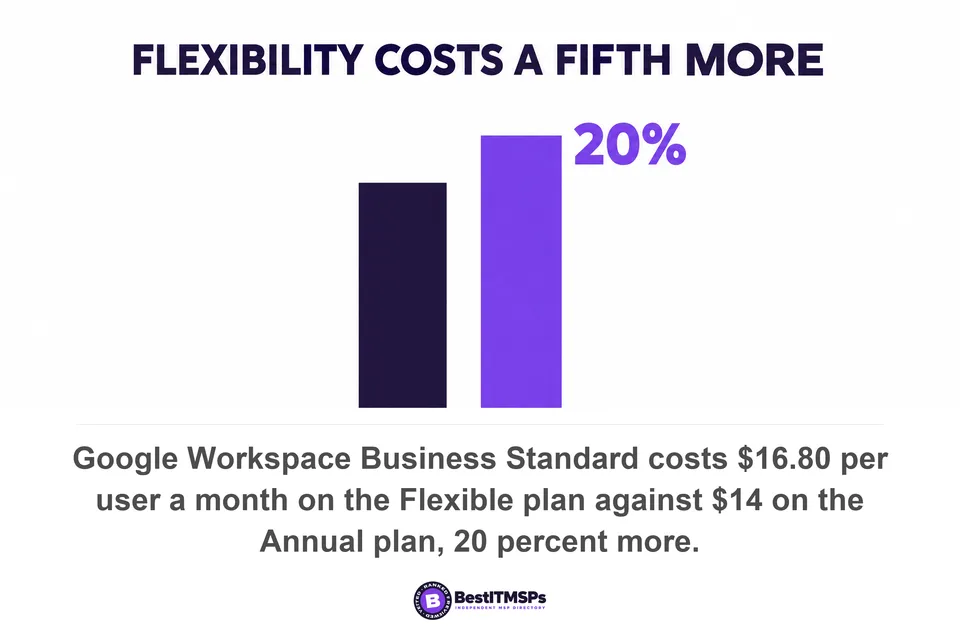
Software licensing for seasonal staff is decided once, at purchase. The three terms, the seven-day reduction window, and the 83 percent rule that settles it.
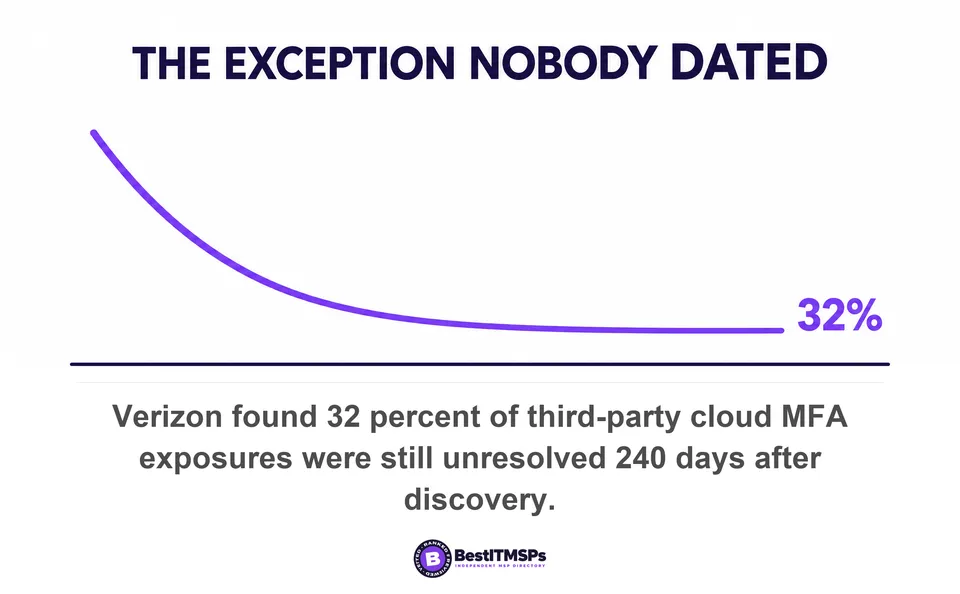
A risk exception register is the written list of risks your IT provider decided not to fix. Here is who must sign each entry, and how to ask for yours.
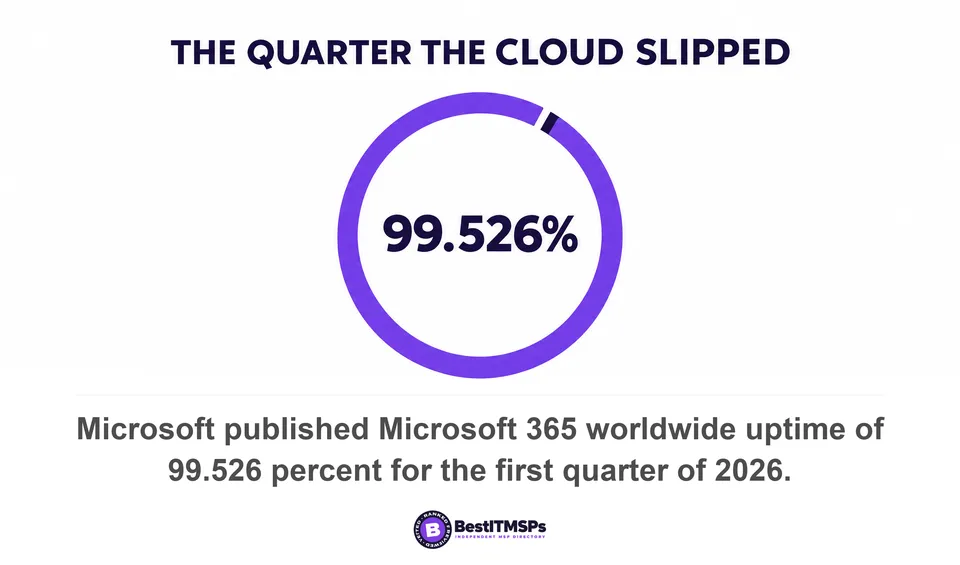
A regional cloud outage exposes what your continuity plan assumed. What the SLA promises, what it excludes, and the three questions to ask.
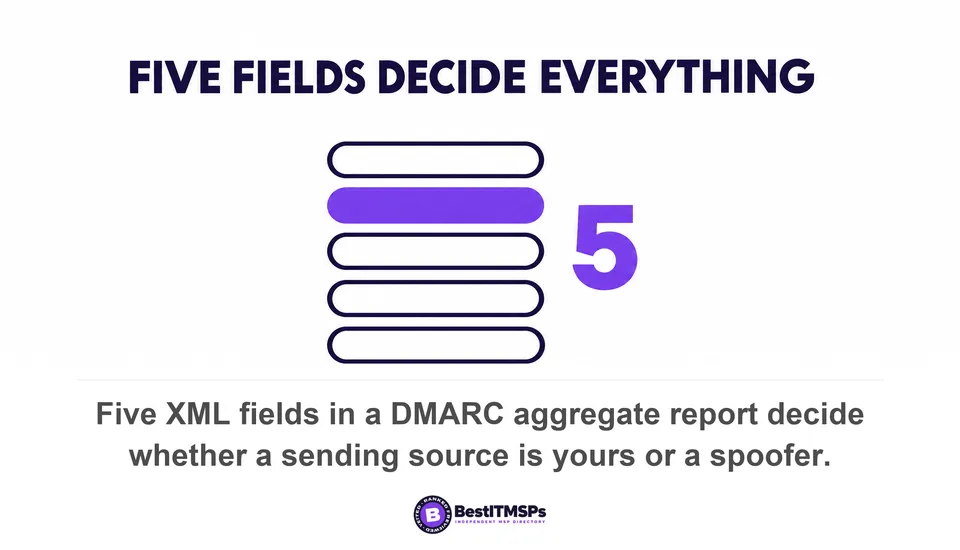
Your DMARC report is a daily XML file nobody reads. Here is how to read a DMARC report in five fields, and how to tell your own mail from a spoofer.
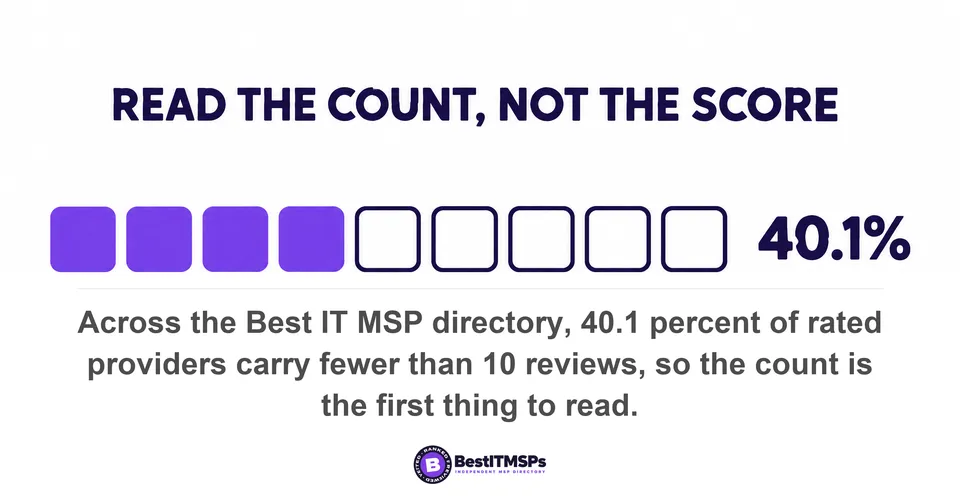
A 5.0 from 4 reviews and a 4.6 from 200 are not the same signal. Here is how to read a provider's rating against its review count before you shortlist.
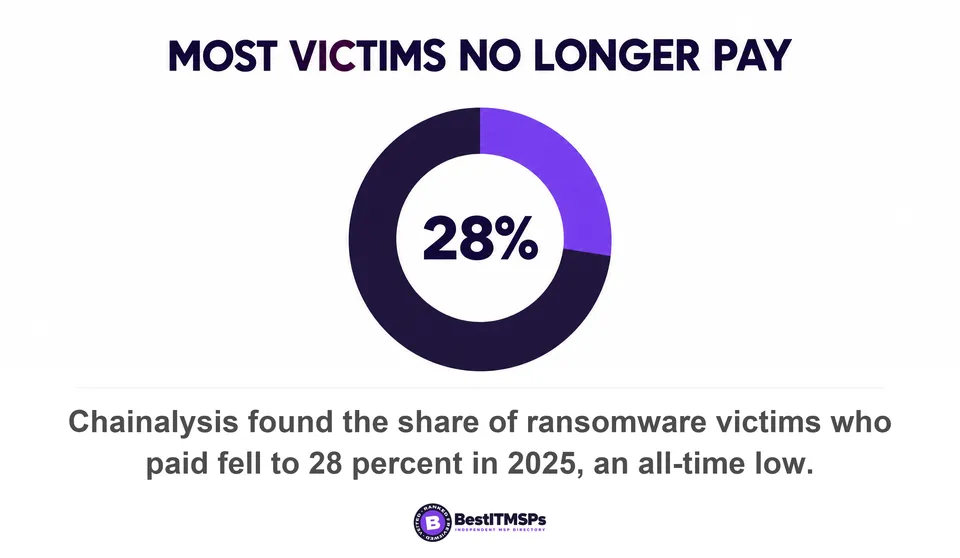
Ransomware recovery without paying: what US government guidance actually says, where free decryptors live, and the real cost and timeline for an SMB.
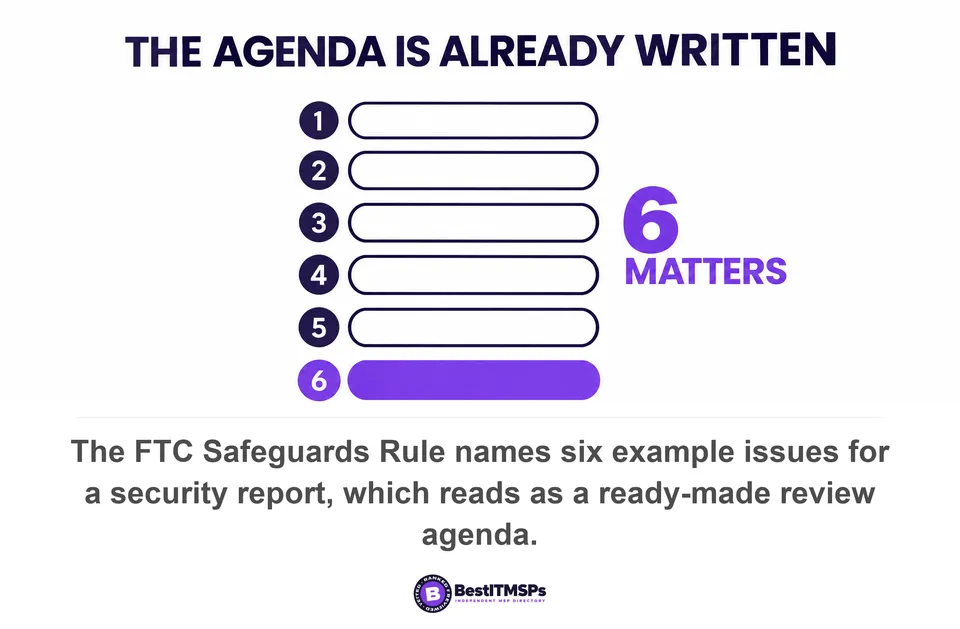
An MSP quarterly business review should produce decisions, not dashboards. The agenda to send before the meeting, the tells, and the artifacts to demand.
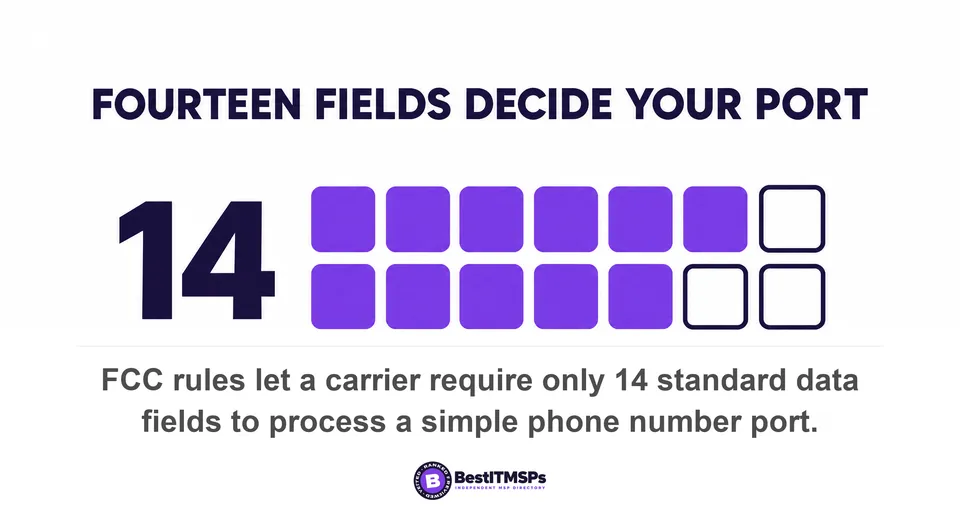
Phone number porting problems come in four shapes. Know the four failure modes, the FCC rules behind each, and the pre-port checks that prevent them.
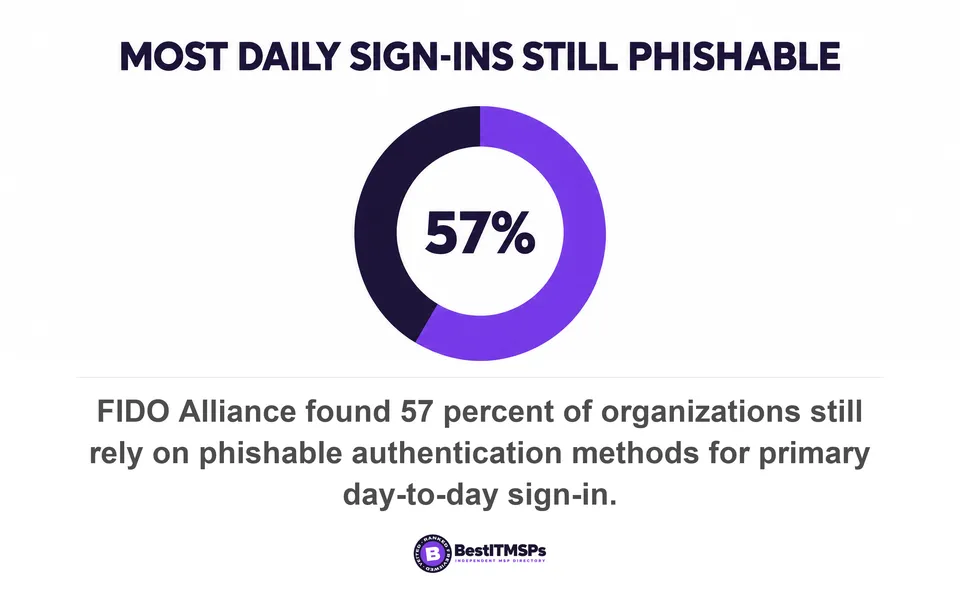
Passkeys for small business, assessed honestly. Four checkable tests that decide whether you can drop passwords this year, and what stays on them.
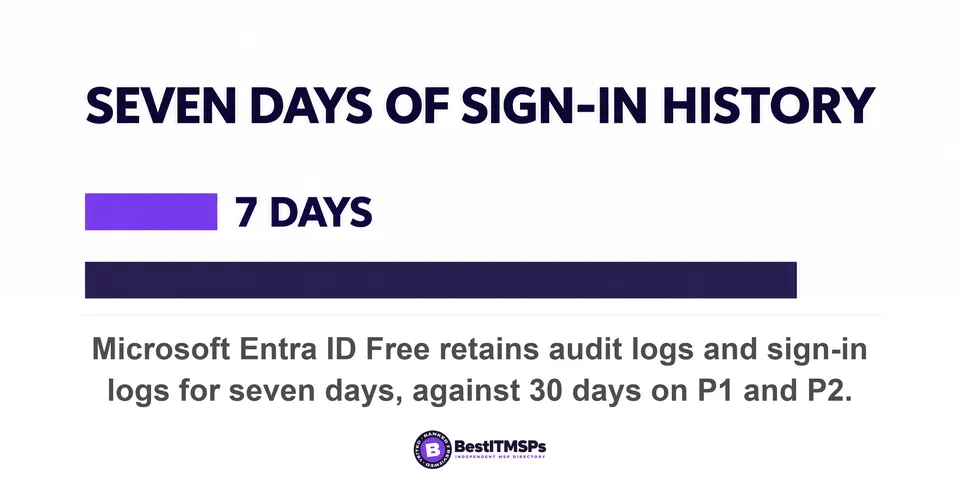
Run a 30-minute IT provider service review. Each line has a published interval behind it or asks for evidence that already exists on a screen.
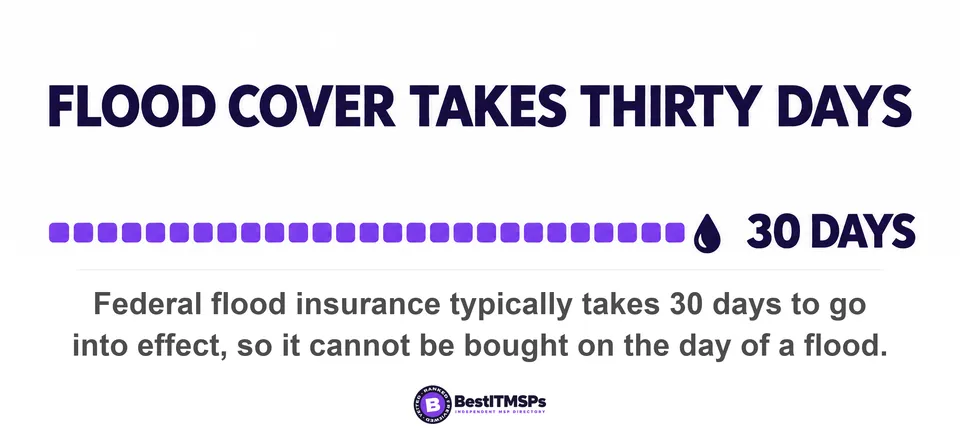
Water in the server room on a normal Tuesday. An hour-by-hour walkthrough of what to do when your office floods, and the steps your plan assumes.
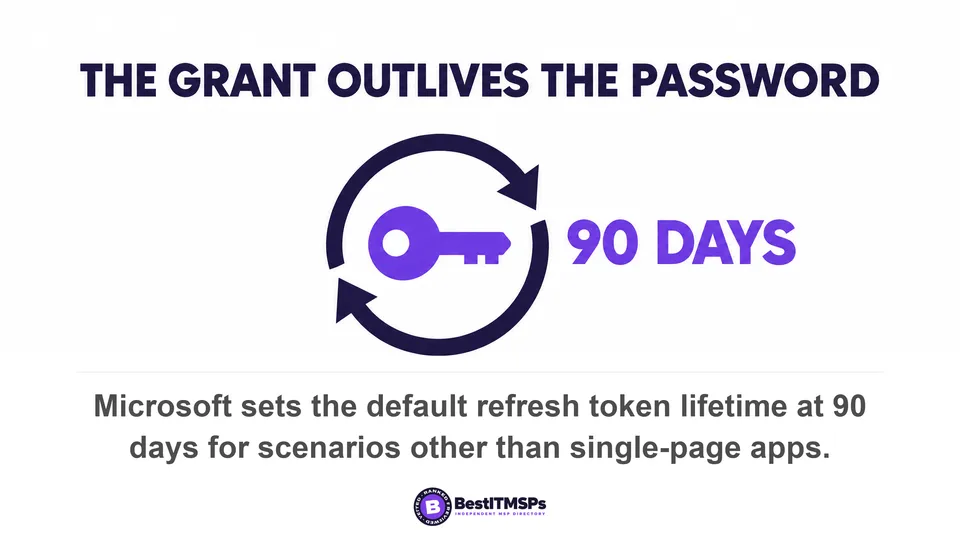
Your staff granted OAuth apps access to your Microsoft 365 data. The grant survives a password reset. Here is where to find the list and how to revoke it.
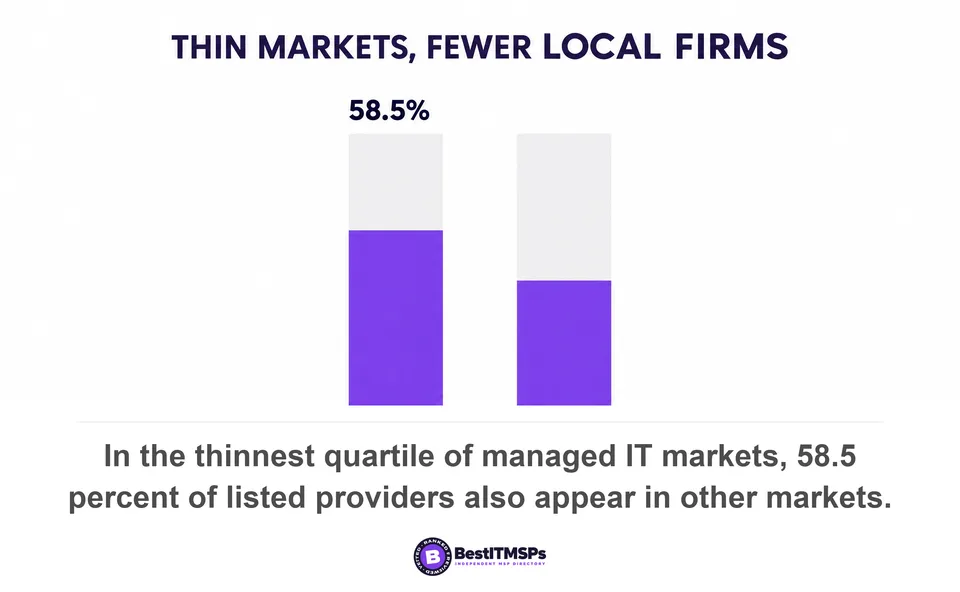
We measured MSP provider density across 730 markets. The median lists 16 providers, and in the thinnest quartile 58.5% also serve other markets.
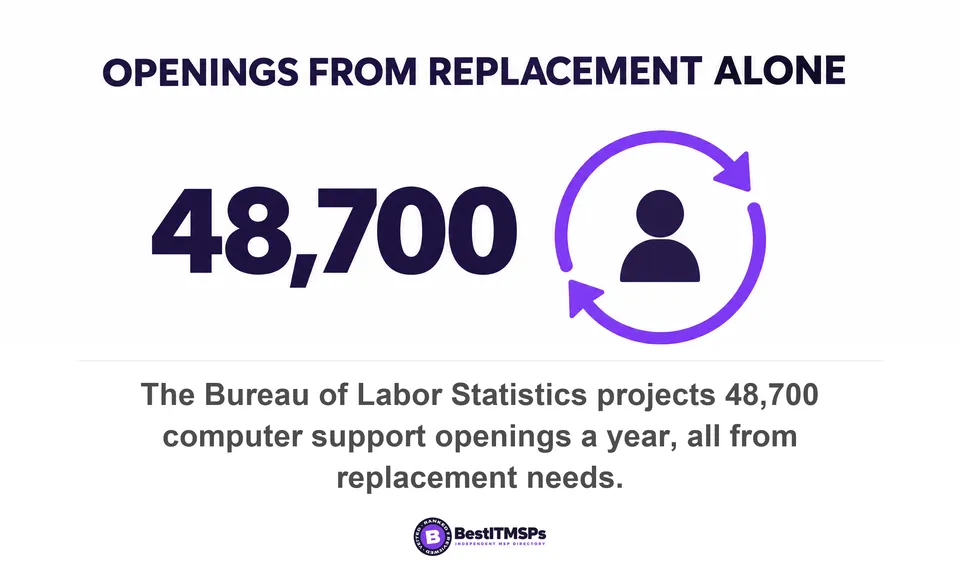
Your MSP's named engineer is a concentration of risk you carry. Five documents prove a second person could take over your account on Monday.
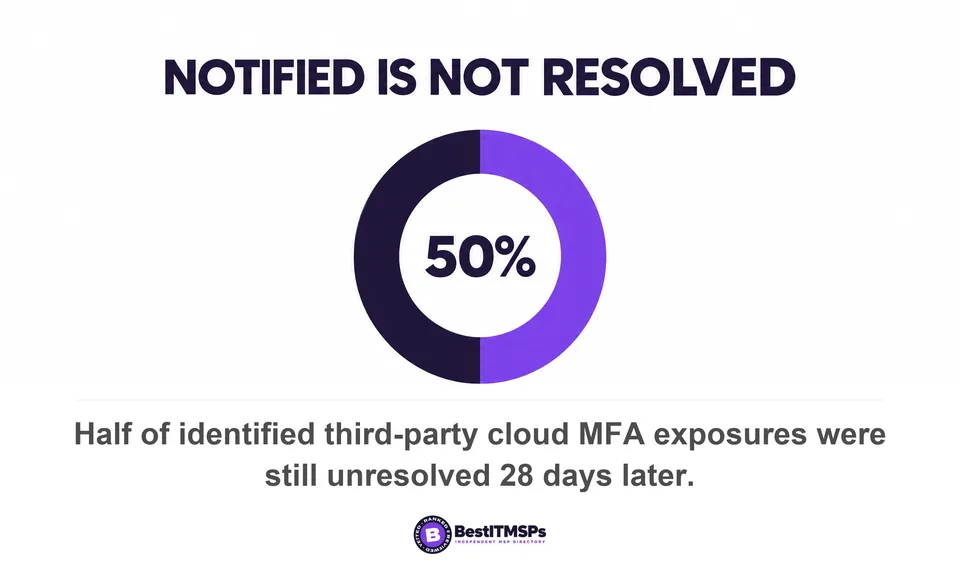
Your contract names an escalation path nobody has walked. Here is the drill to run this week, the artifacts to demand, and what good sounds like.
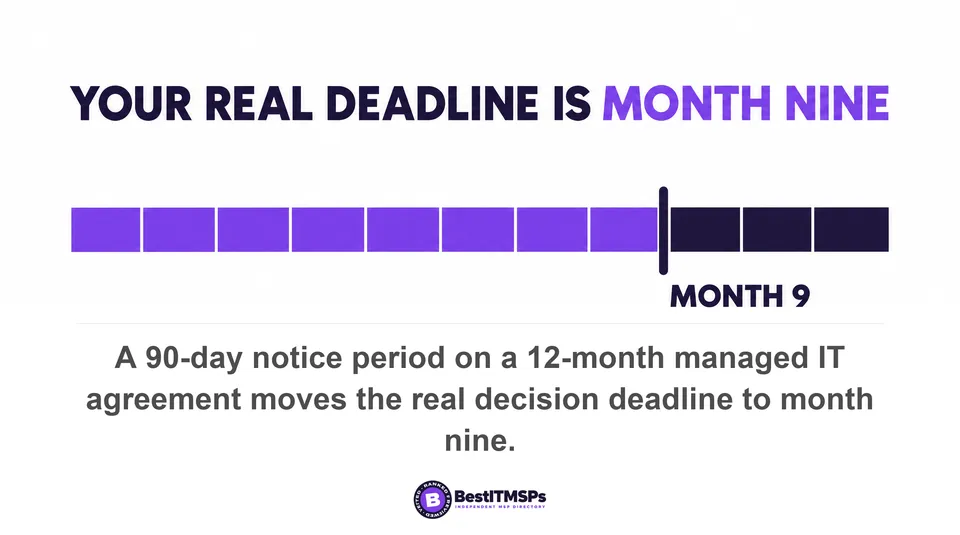
An auto-renewal clause on a 12-month MSP contract with 90-day notice can commit you for 24 months. Work the arithmetic, then set the three dates that matter.
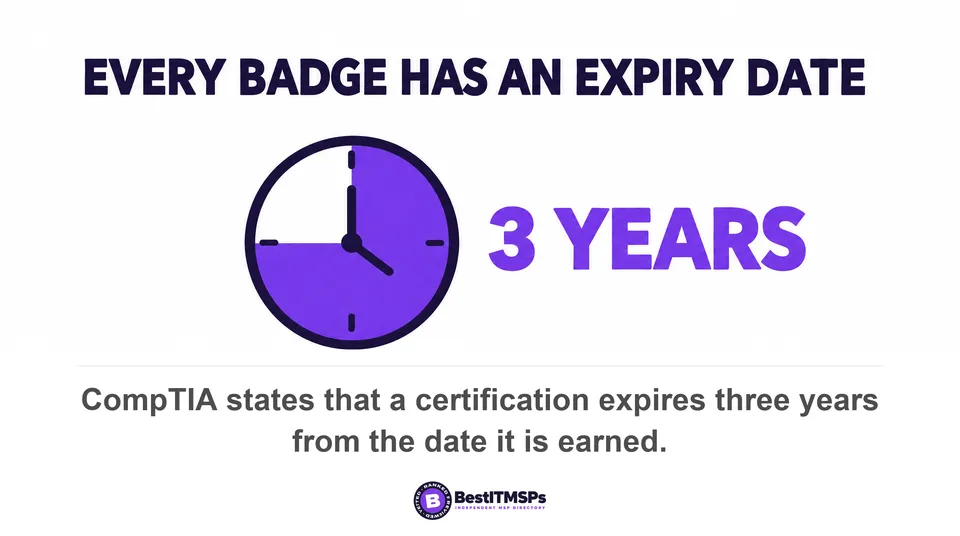
MSP certifications come in four kinds. Examined individual credentials, vendor partner tiers, company attestations and trustmarks. How to tell them apart.
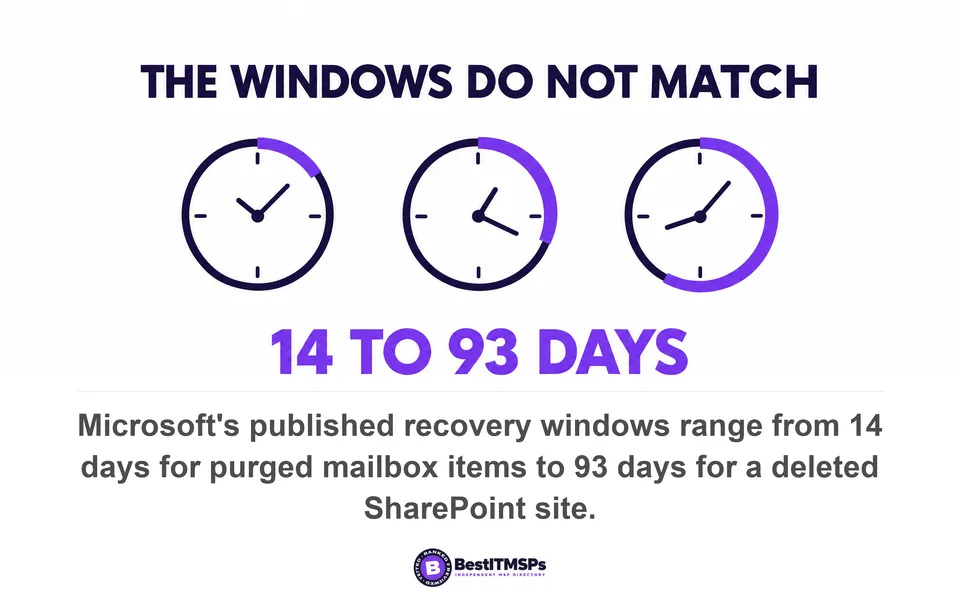
Microsoft publishes a different deletion window for each workload: 14 days for mailbox items, 30 for a user, 93 for a site. Here is what starts each clock.
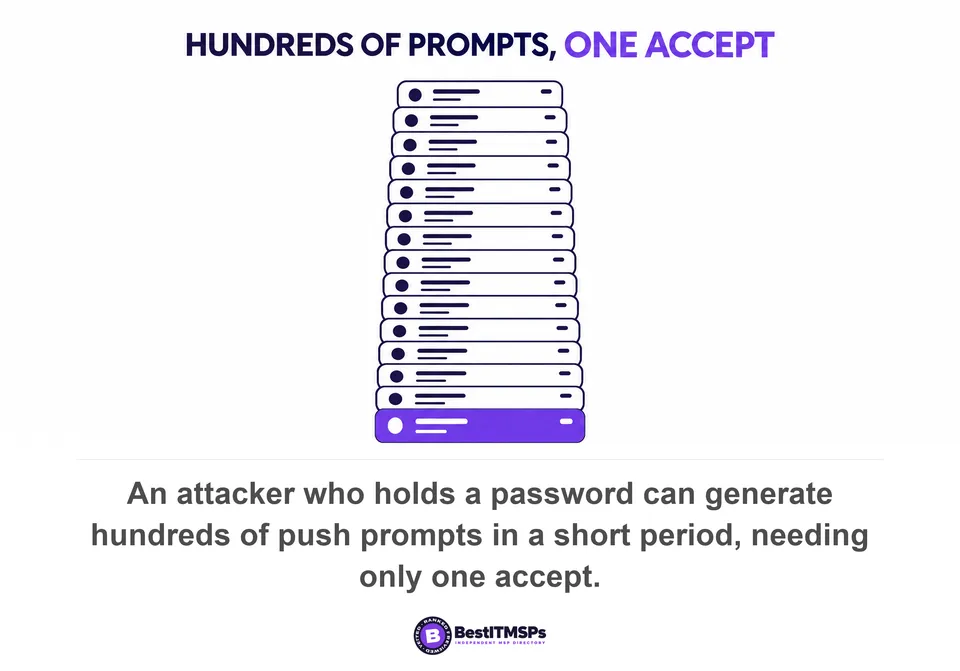
An MFA fatigue attack spams approval prompts until someone taps accept. The durable fix is number matching, a setting, not a training message.
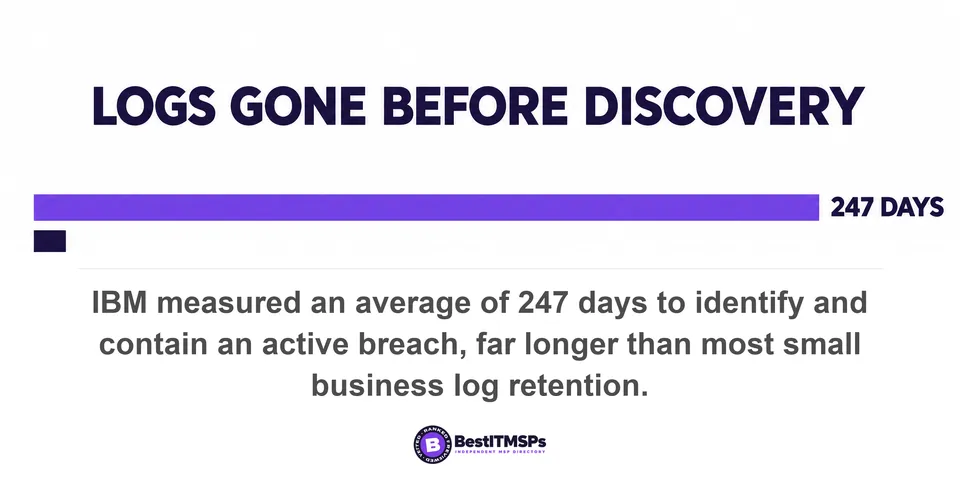
Entra ID Free keeps sign-in logs seven days. Median breach dwell time is 14 days. Check your log retention against that gap in one minute.
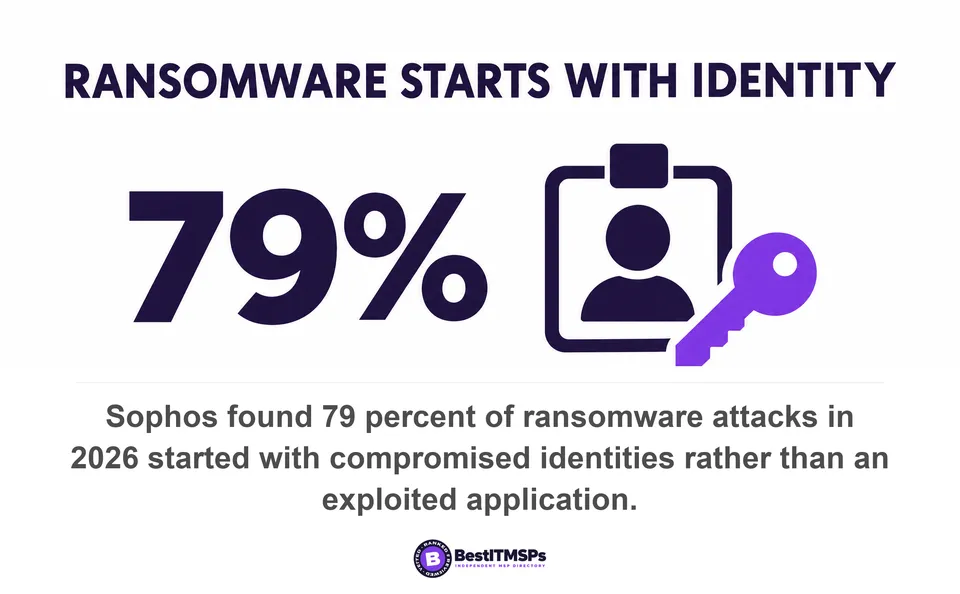
Local admin rights are the ransomware control most SMBs still skip. How to check your PCs in 20 seconds, what removing them breaks, and what to ask your MSP.
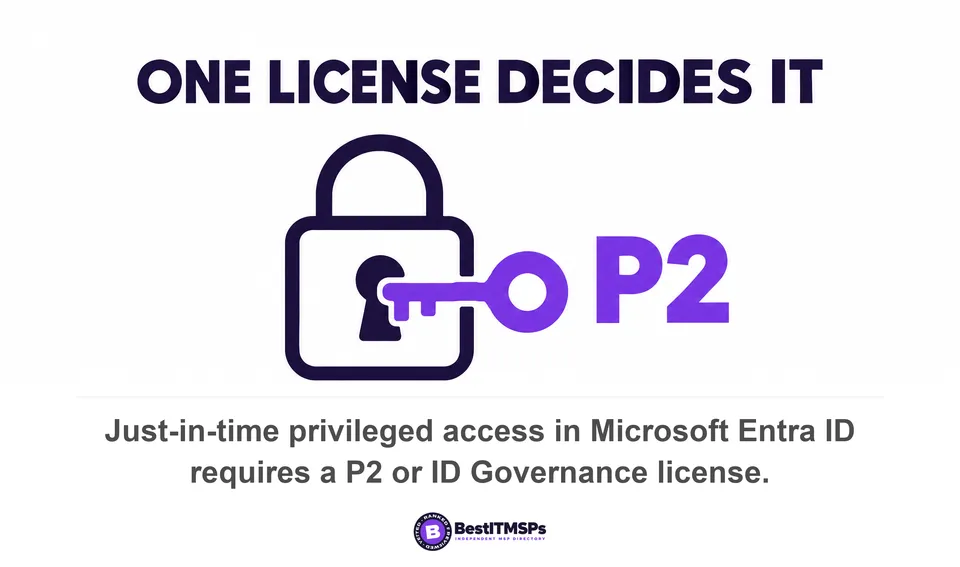
Just-in-time admin access needs an Entra ID P2 license, and it is usually your provider's to buy. The five questions that test the claim.
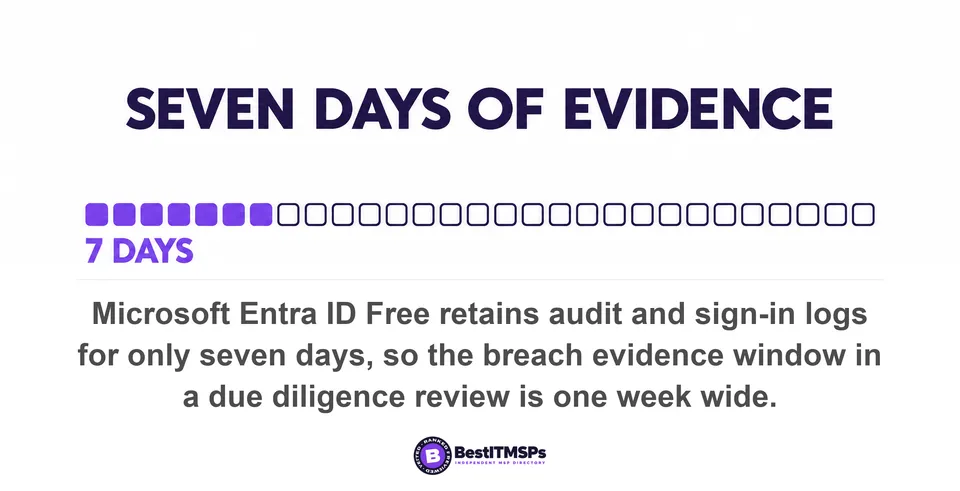
IT due diligence before you buy a company. The findings that kill a deal, cut the price, or become day-one cost, and what each one is worth.
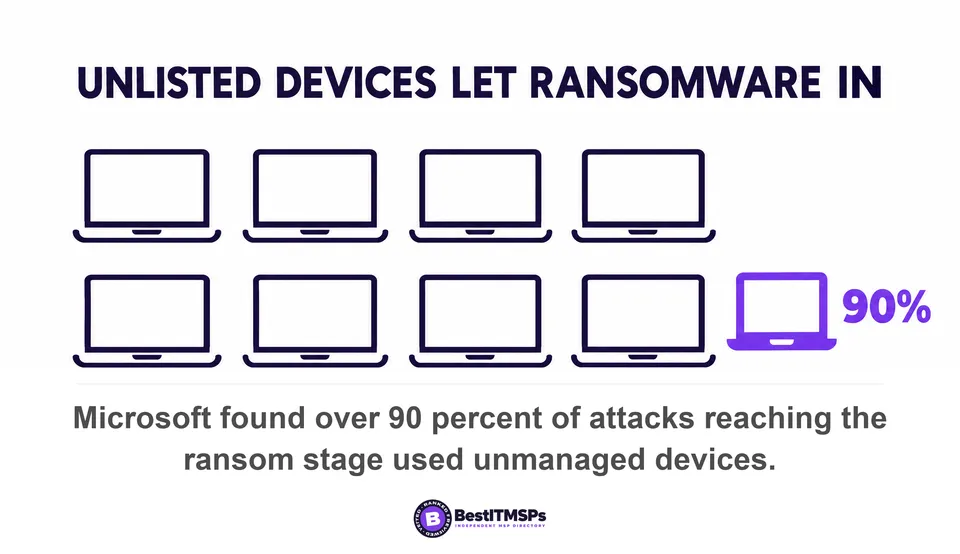
Your MSP's IT asset register is the denominator behind every patch, backup and EDR percentage it reports. The fields it needs, and how to audit it.
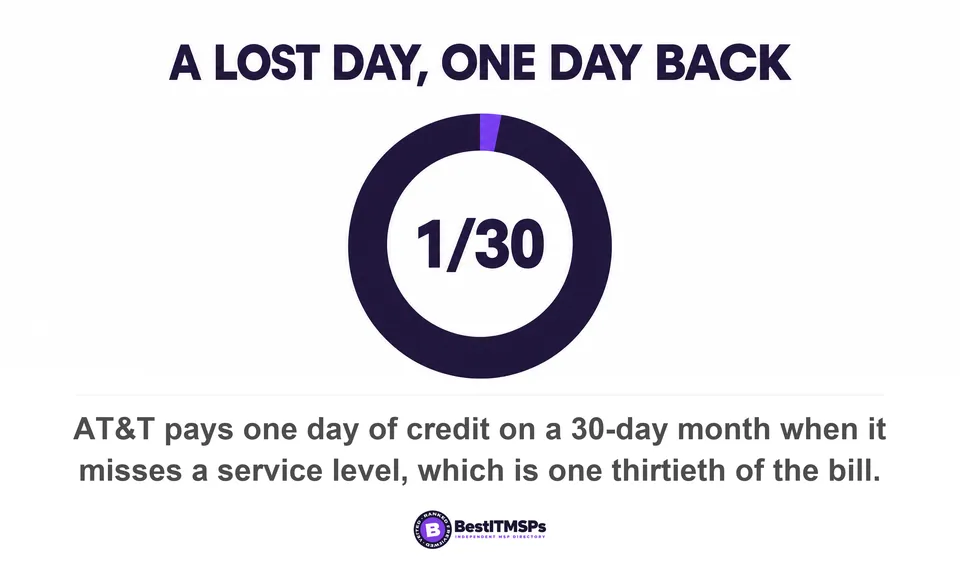
What an ISP SLA really commits your carrier to, what the bill credit is worth, why you have to claim it, and the eight questions to ask before you sign.
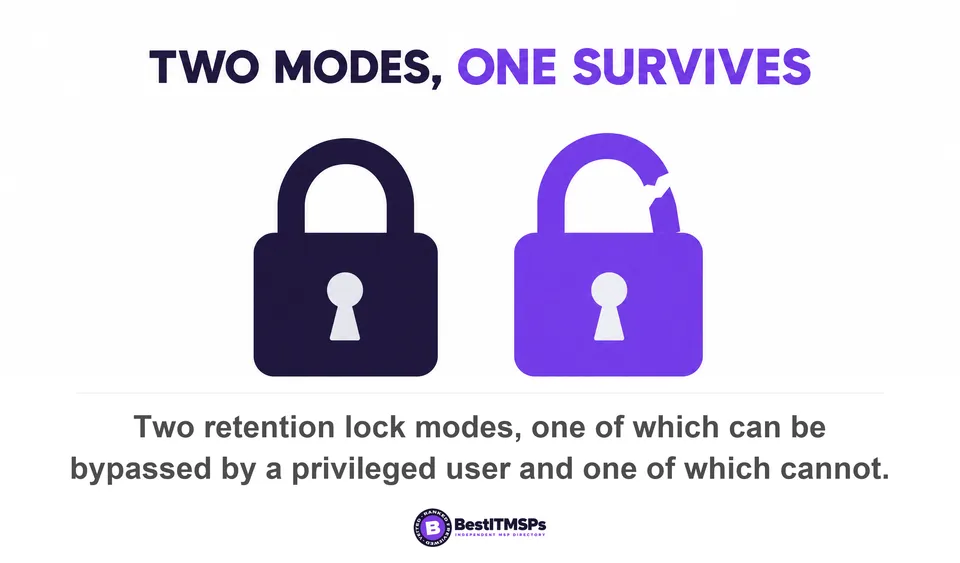
Immutable backup means a copy nobody can delete, not even your own admin. Use the retention-lock test to tell real immutability from the word on a quote.
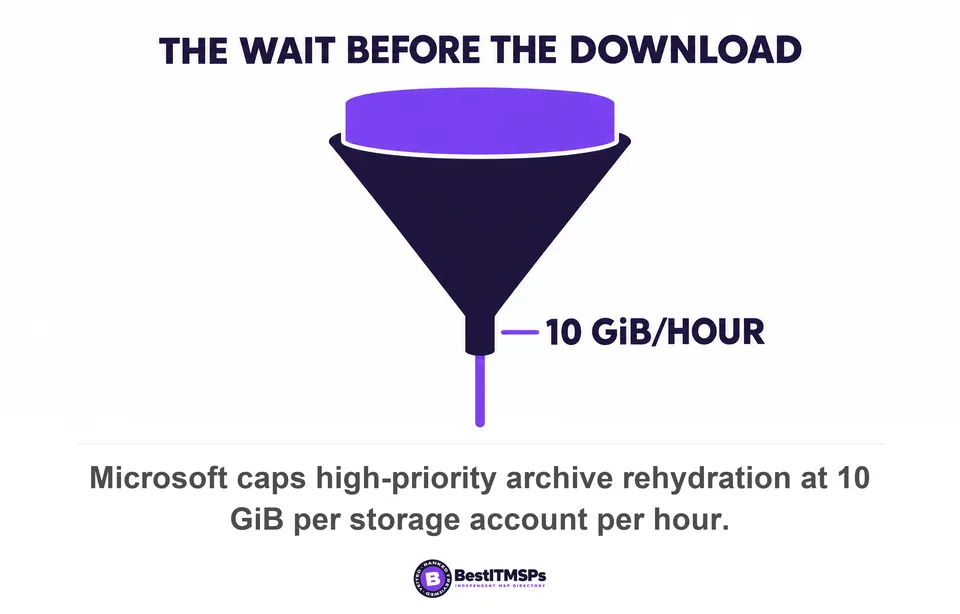
How long does a full restore take? Work it out. Retrieval delay plus transfer time plus the seven steps your provider's RTO leaves out.
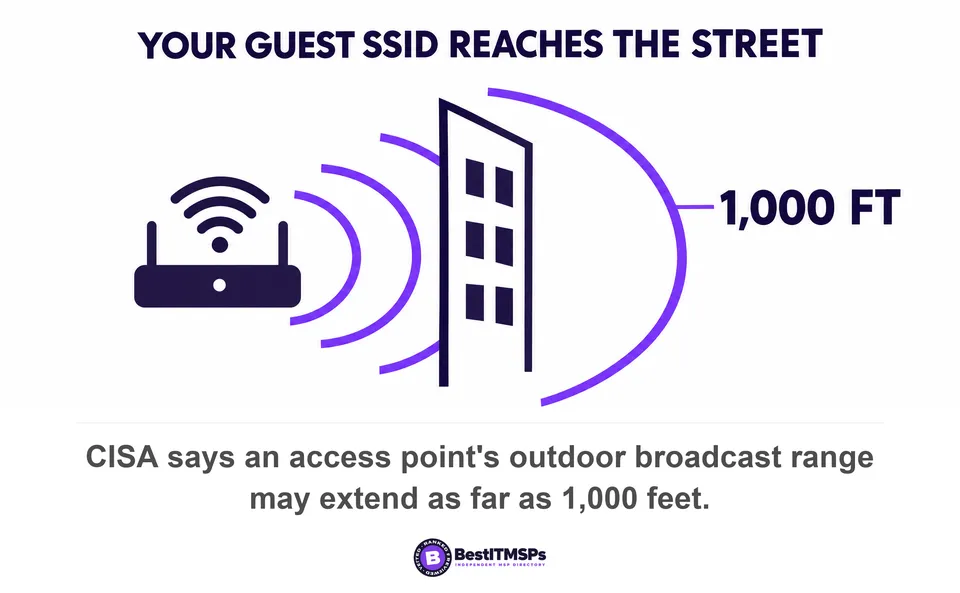
Your guest Wi-Fi runs on the same access points as your office network, usually with no DNS filtering and no logs. Run this five-minute phone test.
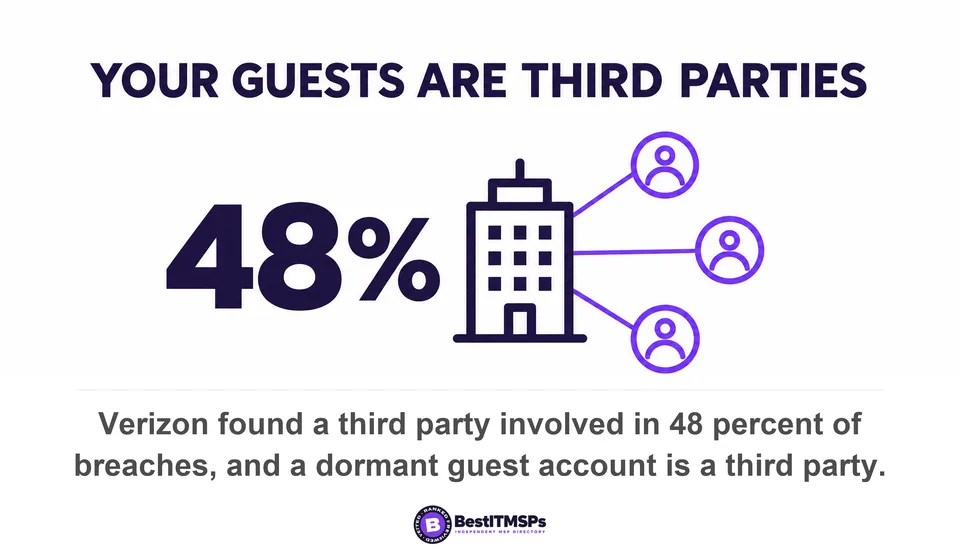
Microsoft 365 guest access defaults let any user invite guests, and nobody removes them. Here is where to look and the one setting that expires them.
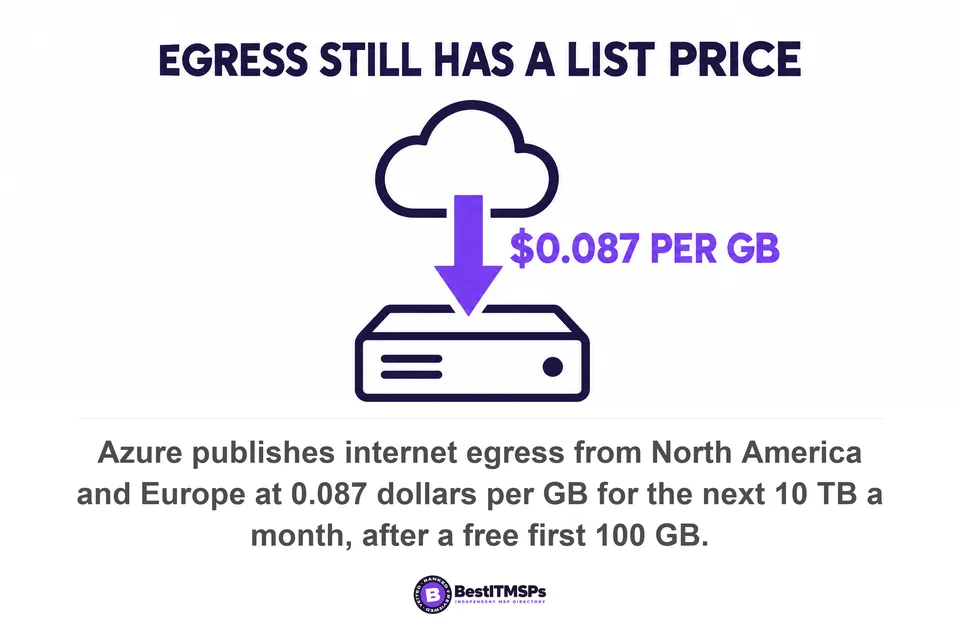
Data egress is the physical cost of leaving an MSP. What the export format is, who runs it, what the cloud charges, and the clauses to check.
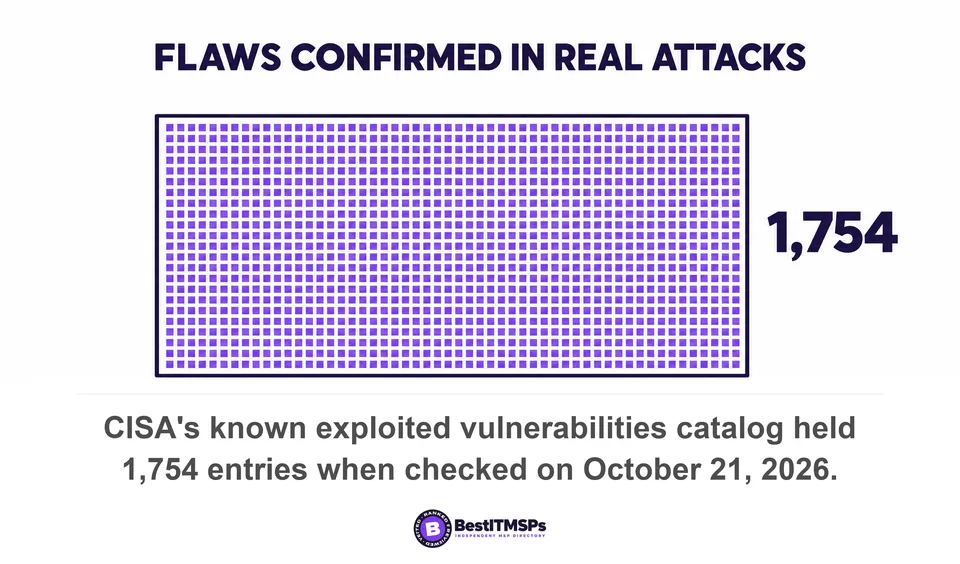
Firmware updates on your firewall, switches, NAS and laptops rarely sit in anyone's scope. Here is how to read your contract and what to ask for.
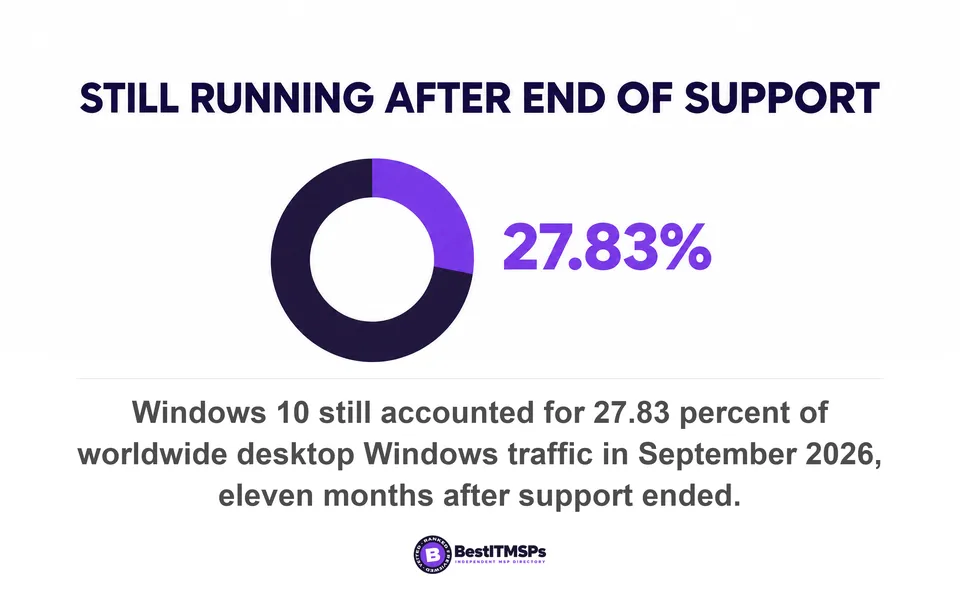
End of life software still runs most SMBs. Here is how to find all of it, and when to upgrade, buy extended support, isolate it, or retire it.
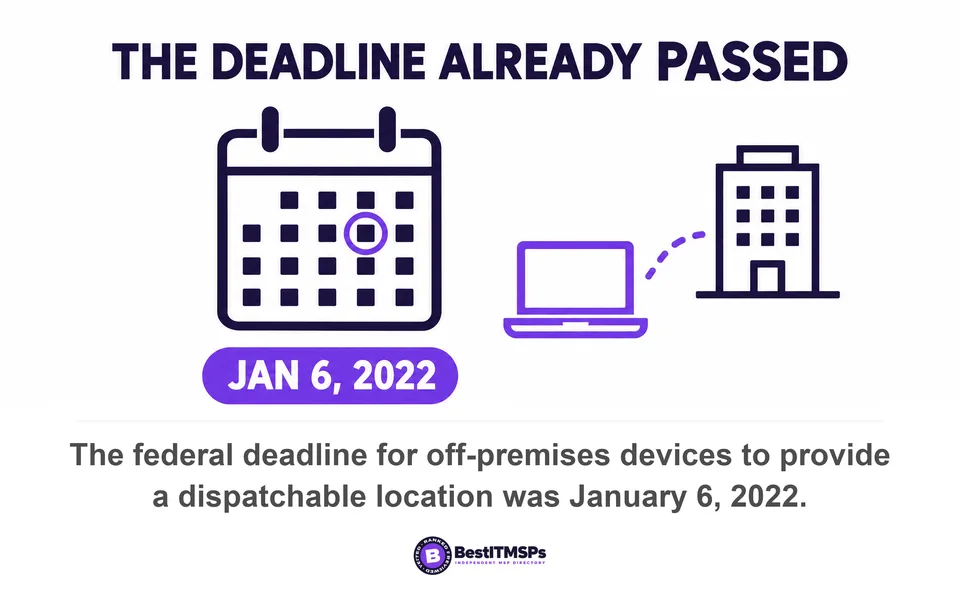
E911 for remote workers often still points at your old office. Here are the two federal rules that apply and the exact settings to check.
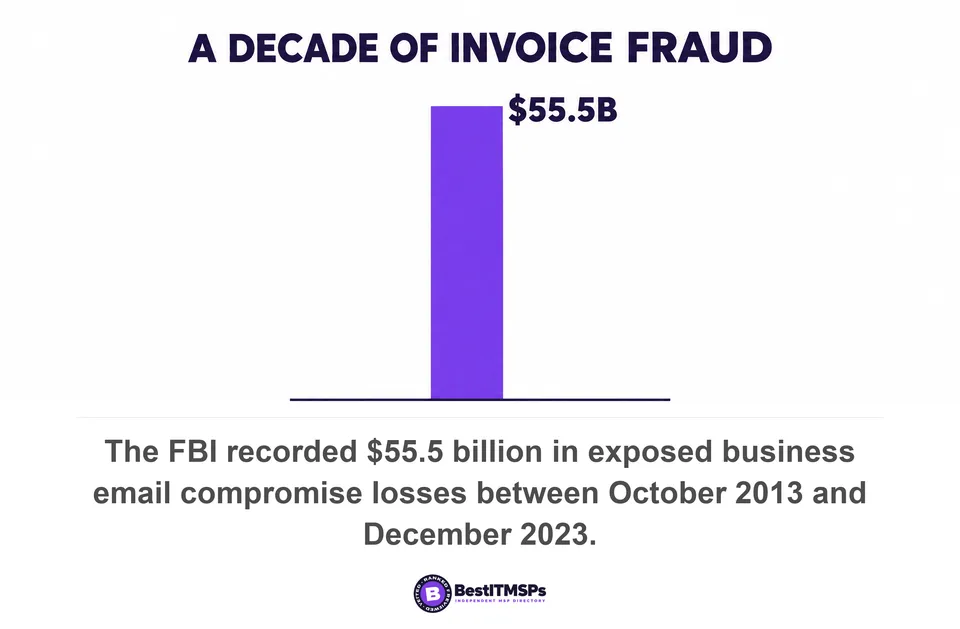
Dual approval stops invoice fraud only if whoever can change a supplier's bank details cannot release the payment. Here is how to split the two jobs.
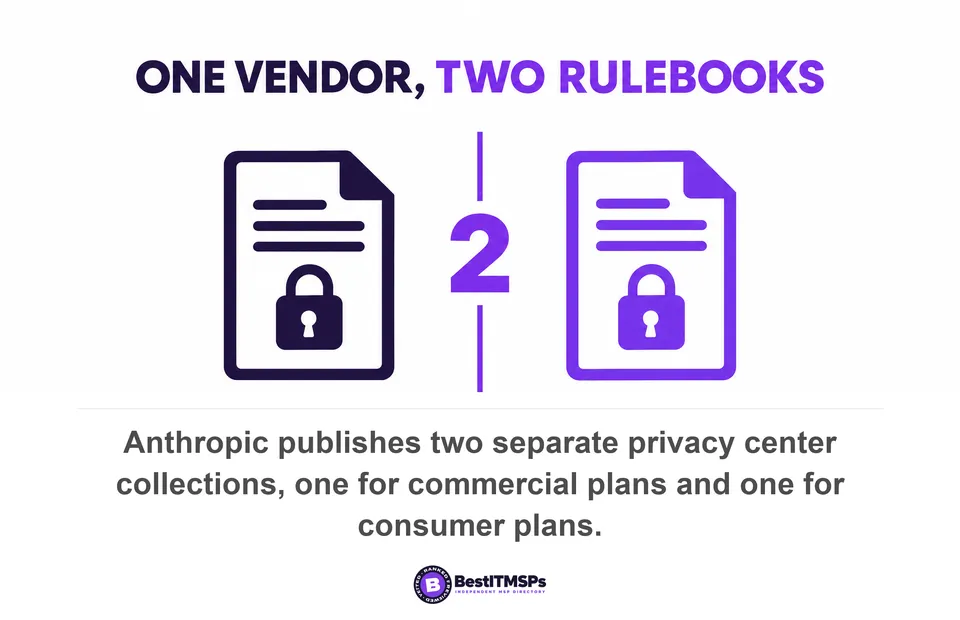
Does AI train on your data? The answer sits in the vendor's own terms, and it changes with your plan, your account type and one default setting.
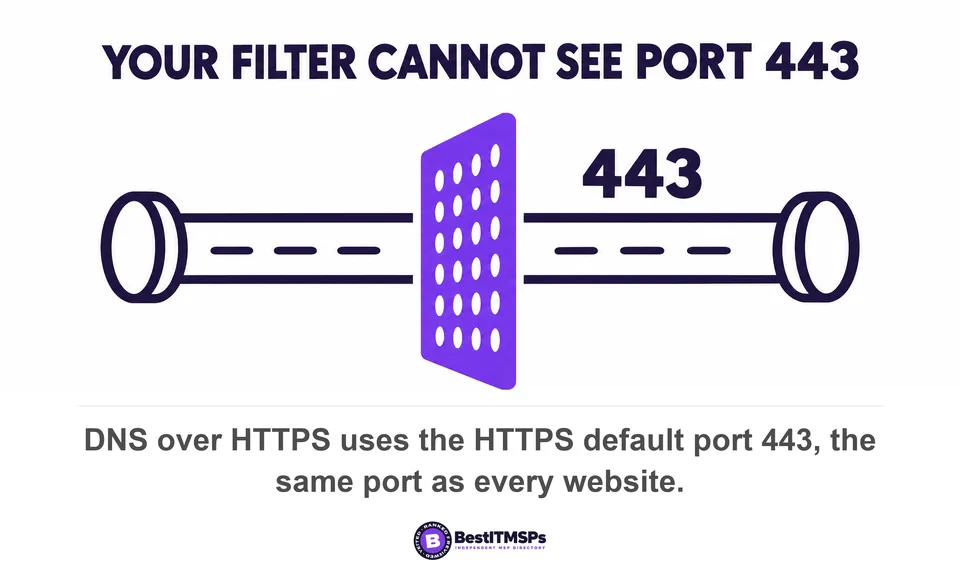
DNS over HTTPS can route lookups past the DNS filtering you pay for. Five checks to see whether your filter is still in the path, and what to ask your MSP.
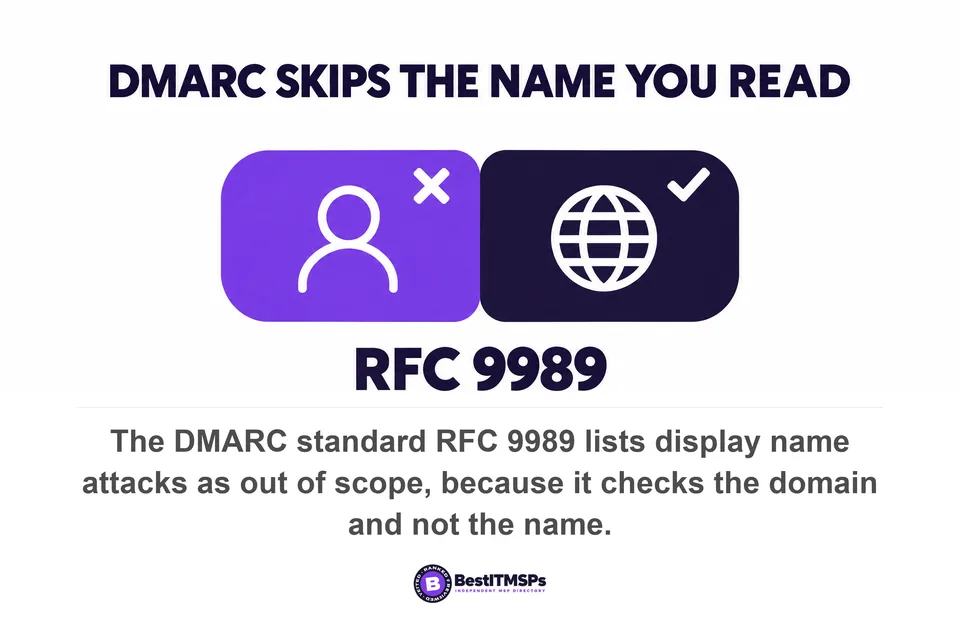
Display name spoofing passes DMARC because DMARC checks your domain, not the sender name your staff read. The controls that close the gap.
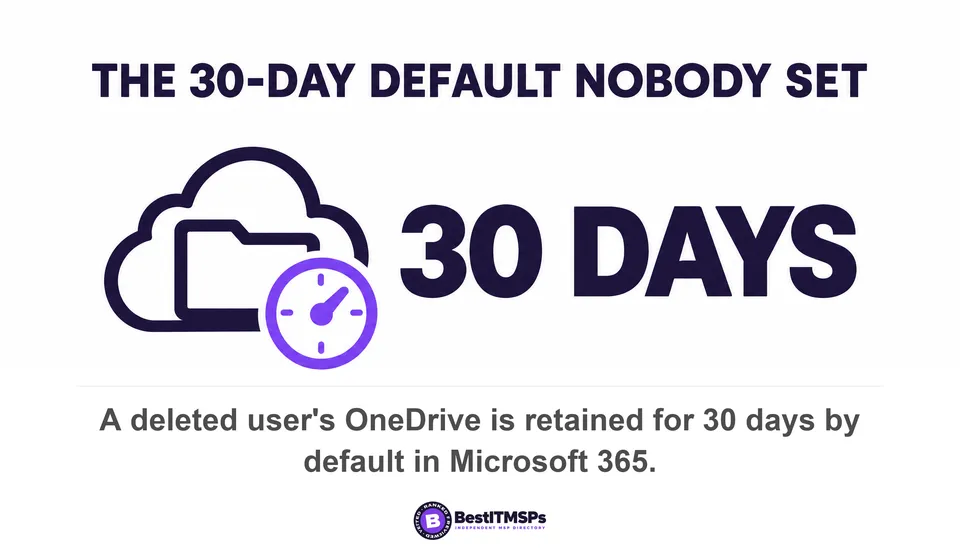
A departed employee's OneDrive has 123 days left in your Microsoft 365 tenant. The exact timers, the setting names, and the one box to change first.
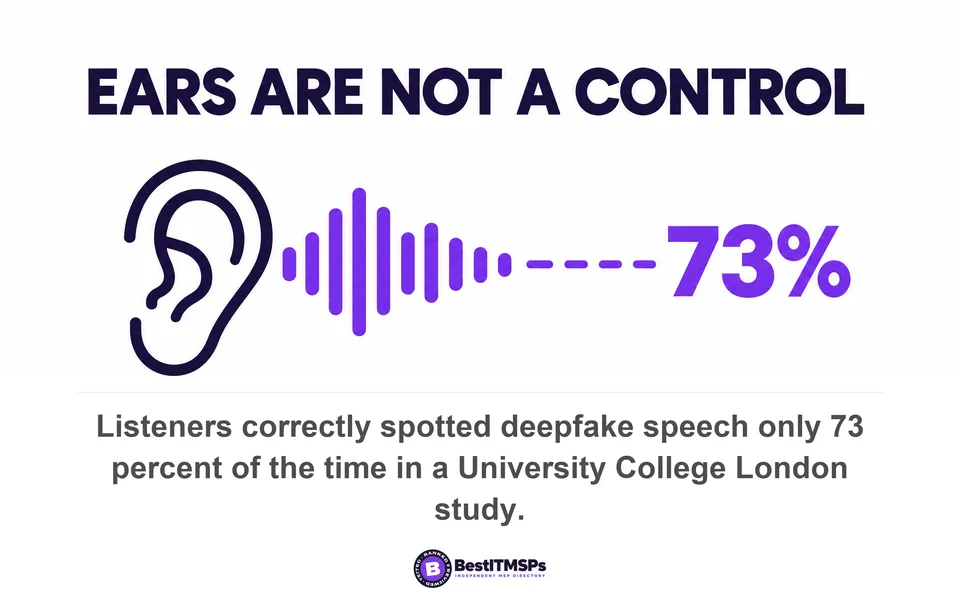
Voice cloning fraud needs no new tool to stop. Listeners spot deepfake speech only 73% of the time, so move the control into your payment call-back.
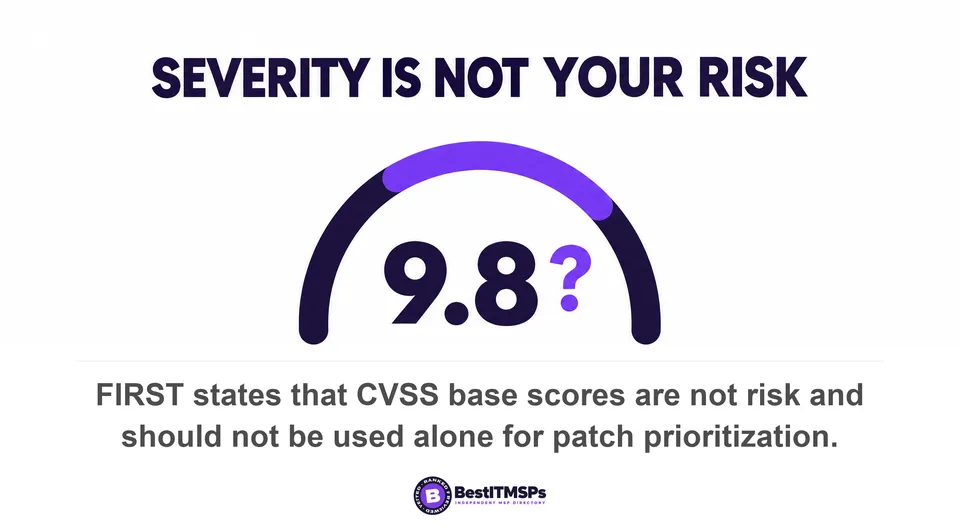
Your CVSS score measures severity, not risk. FIRST's own standard says so. What a 9.8 leaves out, and the three questions that reorder your findings list.
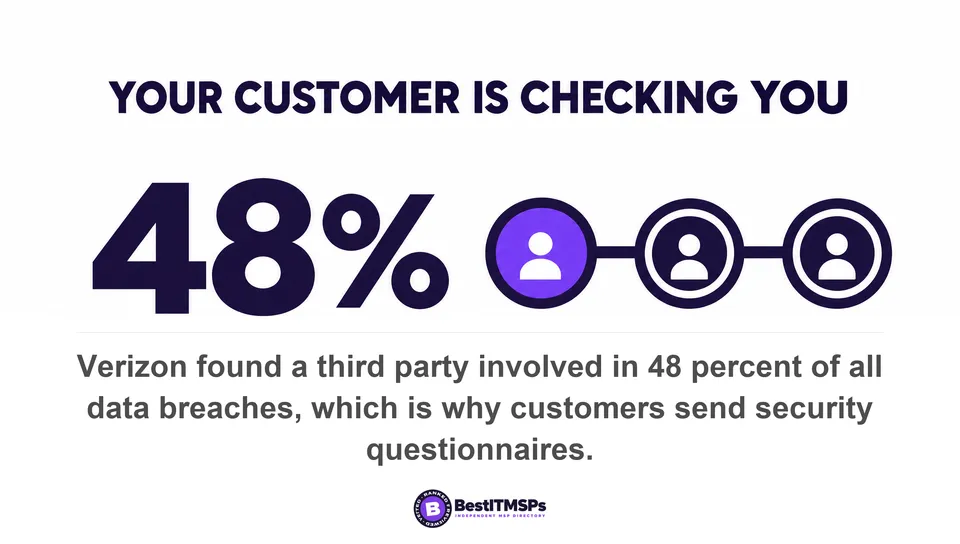
A customer security questionnaire is a written representation, not paperwork. Triage it into four buckets and answer no without losing the account.
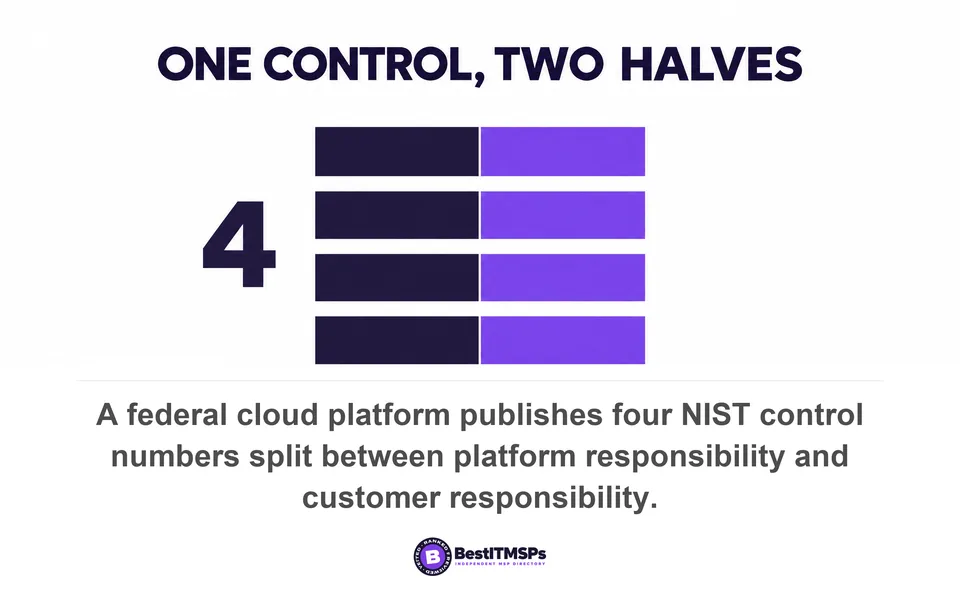
A control ownership matrix names one person for every security control. The five columns each row needs, and the rows where ownership quietly falls through.
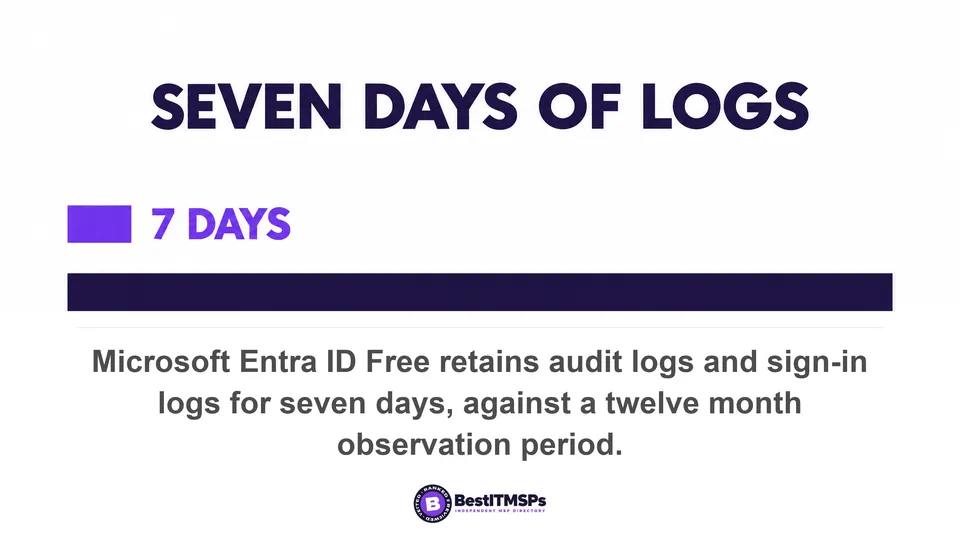
Continuous compliance is what the rules describe, not an annual scramble. See what frameworks require between assessments, and the one test for any control.
Co-managed IT responsibilities, split so two teams never argue over one ticket. The layers to buy, the work to keep internal, and the clauses to sign.
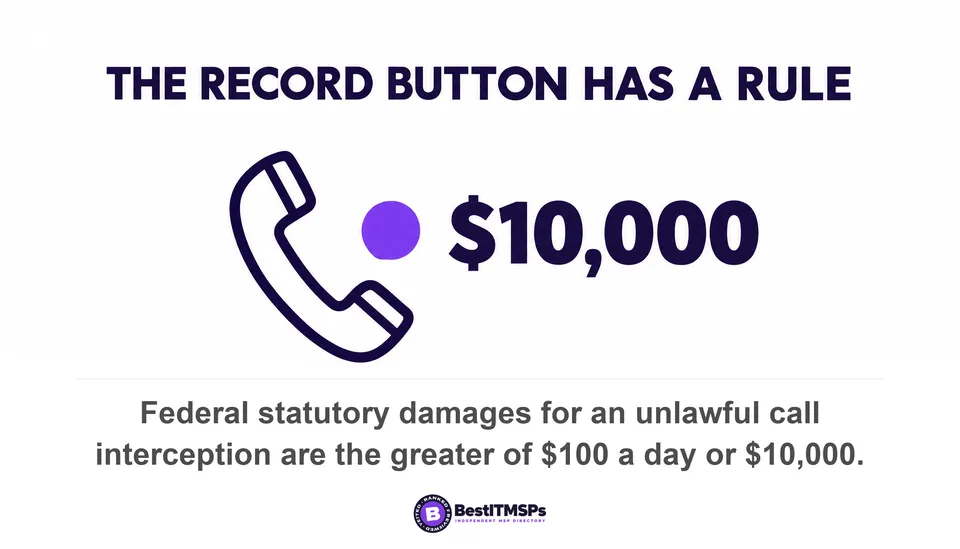
Call recording consent laws turn on one distinction, one-party or all-party. We read the federal wiretap statute and five state statutes at primary source.
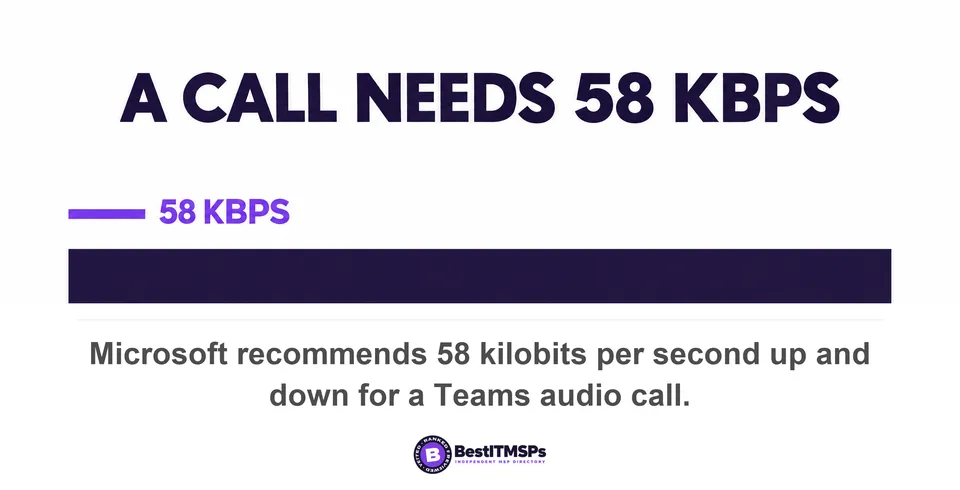
Call quality problems are rarely the phone platform. The four measurements that decide how a call sounds, their published limits, and where to find them.
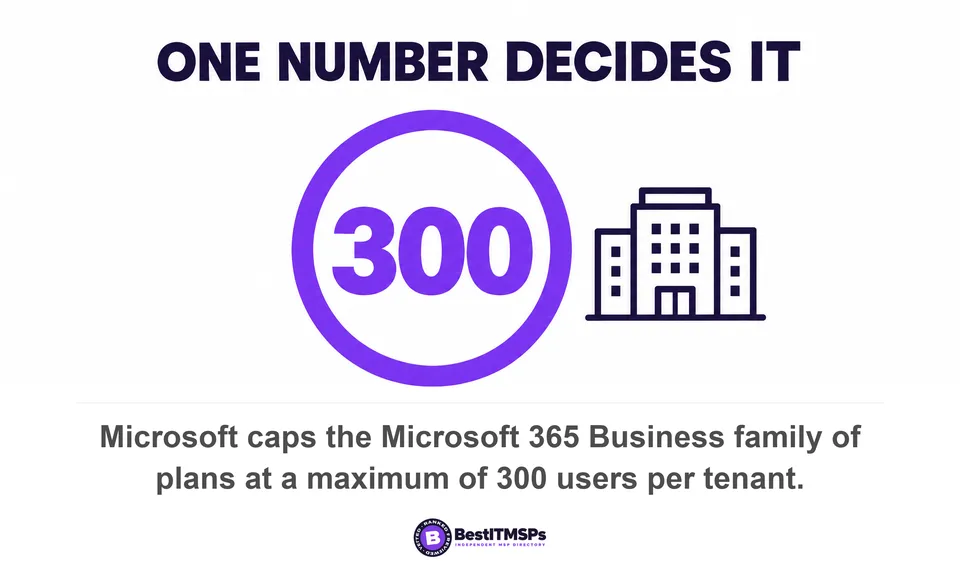
Microsoft 365 Business Premium or E3? One 300-seat cap forces the move more often than any feature, and E3 drops two security tools you have.
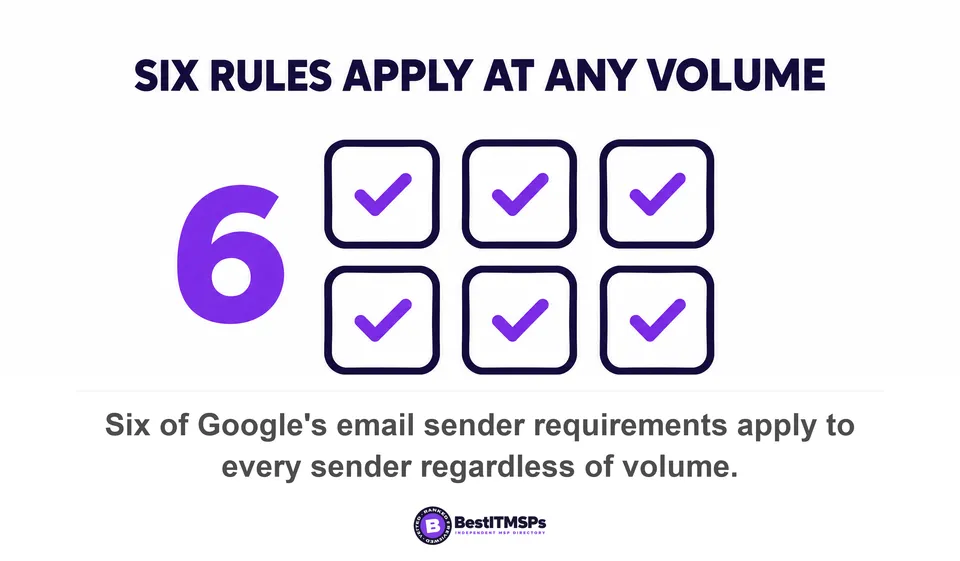
Google and Yahoo's bulk sender rules hit a 30-person company too. Six requirements apply at any volume. Here is which ones, and what to ask your DNS owner.
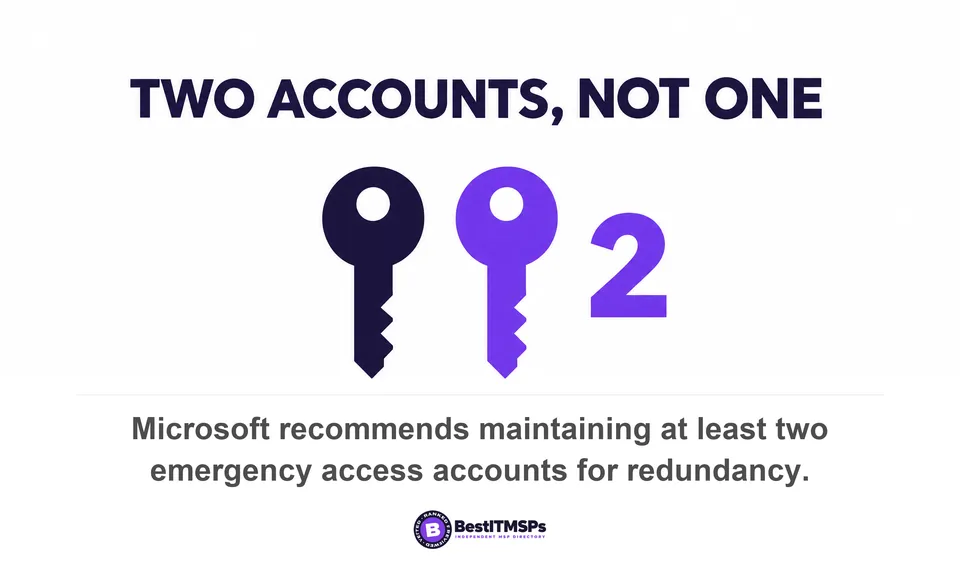
Every Microsoft 365 tenant needs a break-glass account. Microsoft says keep two, exclude them from Conditional Access, and alert on every sign-in.
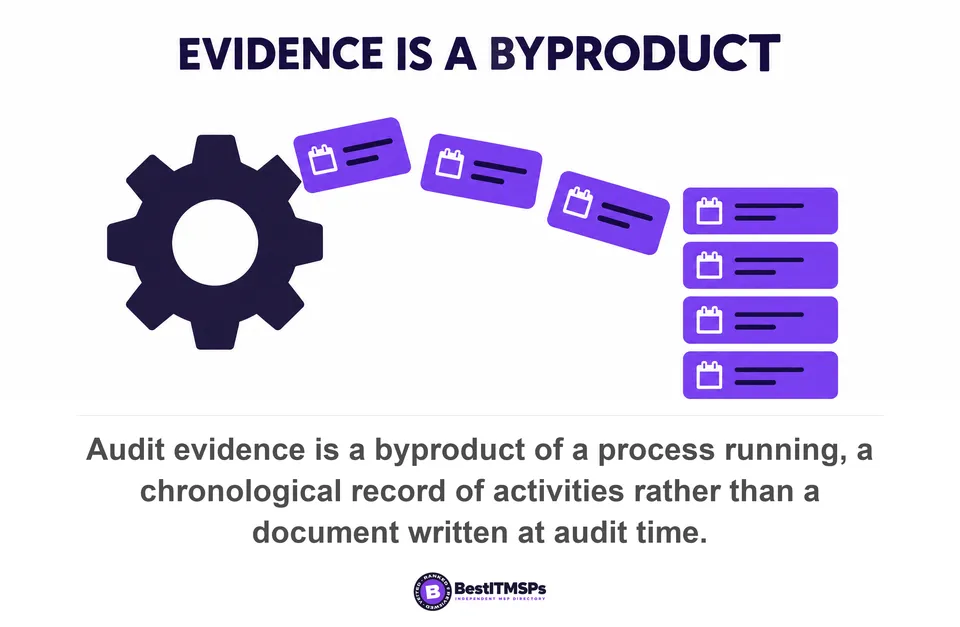
Audit evidence proves a control operated all year, not that it exists. See the 7 records auditors ask for, and start collecting 12 months early.
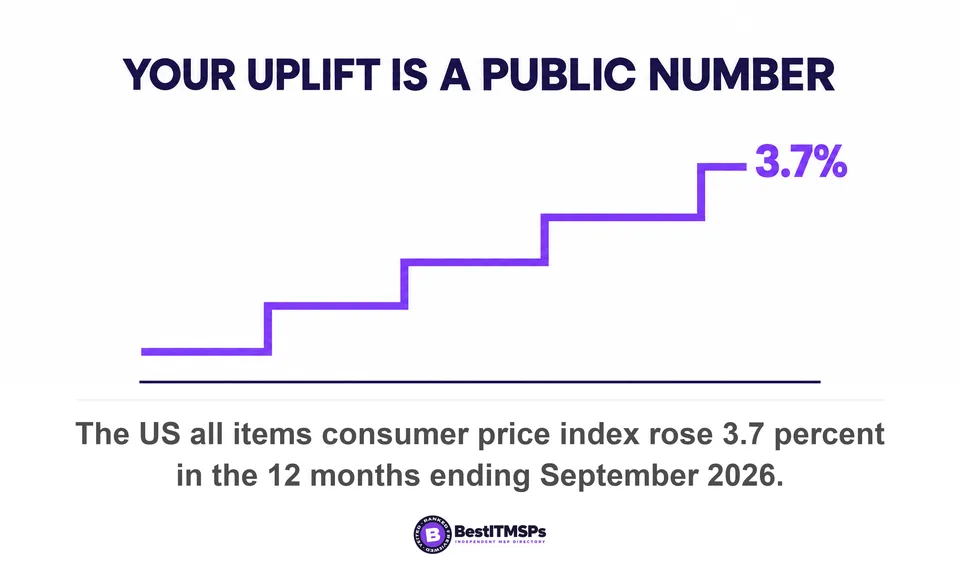
A CPI escalator clause lets your MSP raise rates every year. Which index it names, what the floor costs you, and the four amendments to ask for.
Your company was bought. Deal structure and two clauses decide whether your managed IT contract survives, transfers or quietly doubles in price.
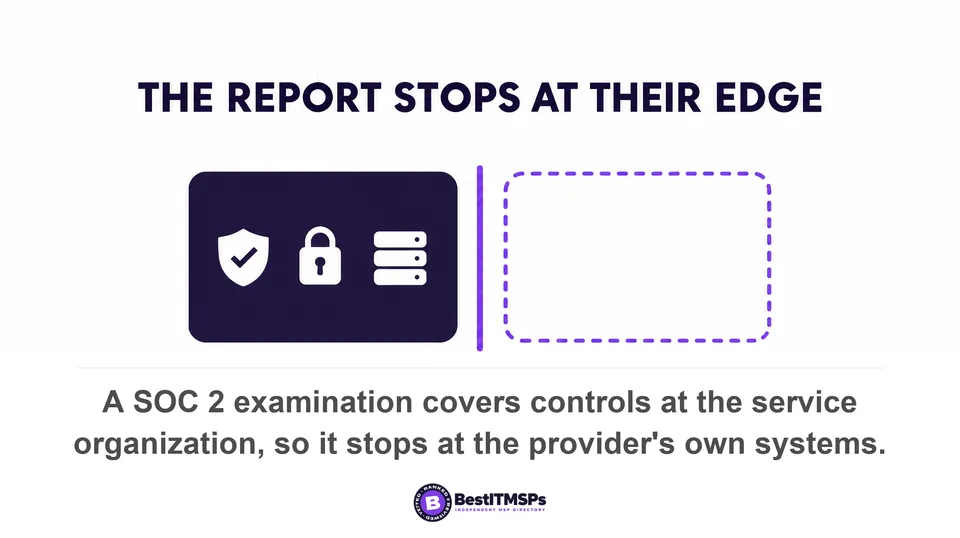
Complementary user entity controls are the SOC 2 jobs your auditor assumed you were doing. See what your provider's report covers and what it leaves to you.
Disaster recovery testing proves data comes back, not just that the job ran. See what a dated restore log must show and how to time it against your RTO.
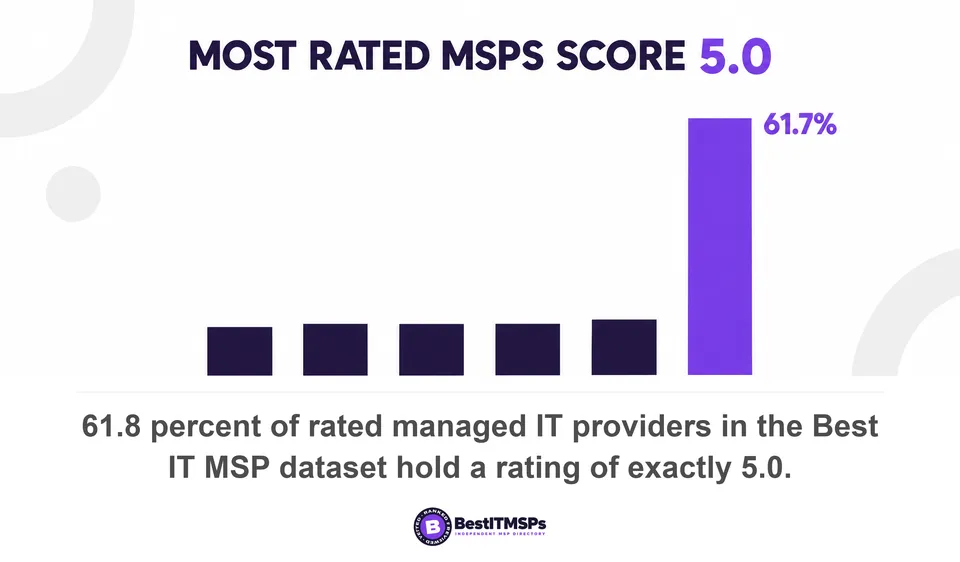
We analyzed 24,491 provider records across 730 city datasets. 61.8% of rated MSPs sit at exactly 5.0, and those perfect scores carry fewer reviews.
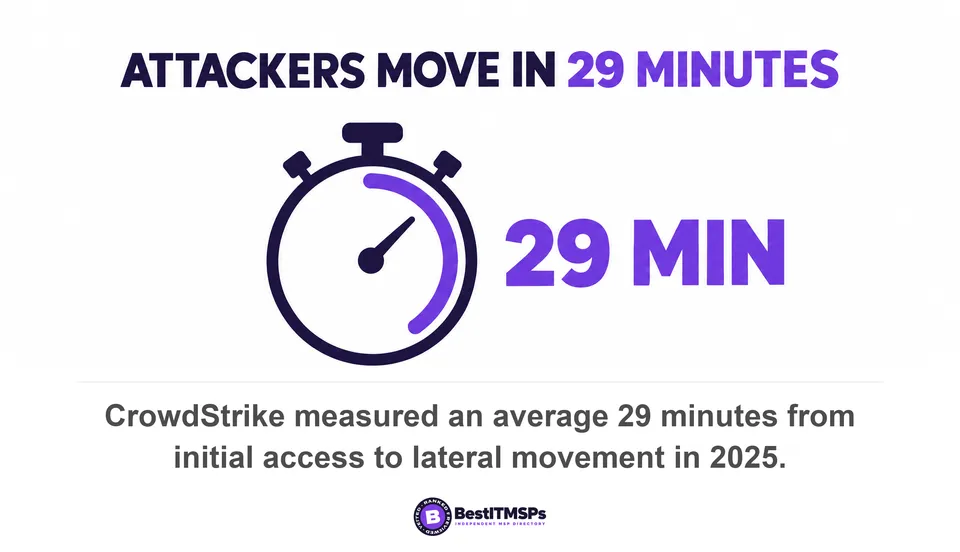
24/7 security monitoring hides four different products. Learn the four tiers, what each does at 3am, and the one question that tells them apart.
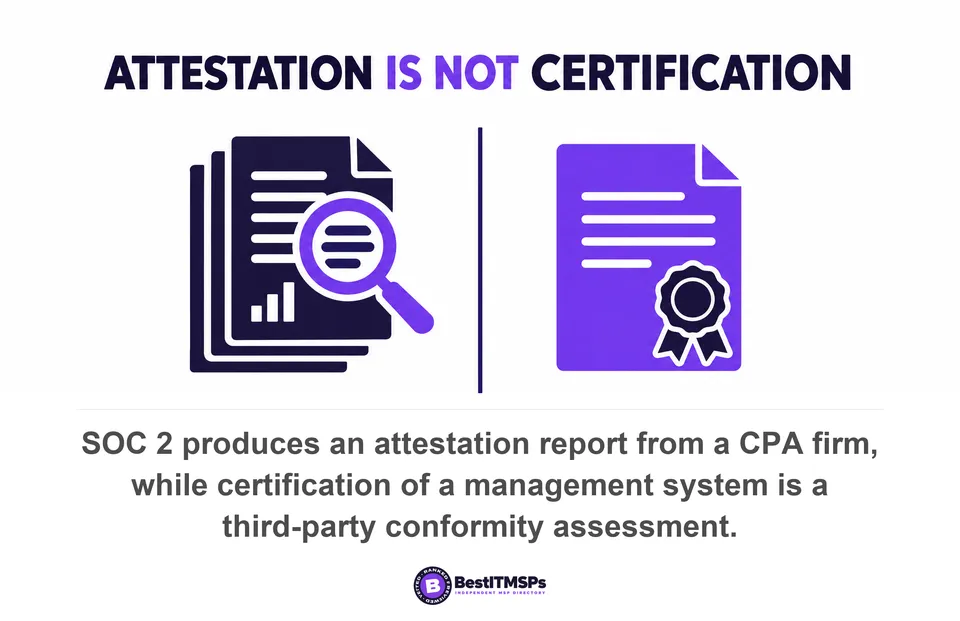
Is SOC 2 a certification? No. It is a CPA attestation. See what the AICPA and ISO say, and how to read the report, its scope and its period.
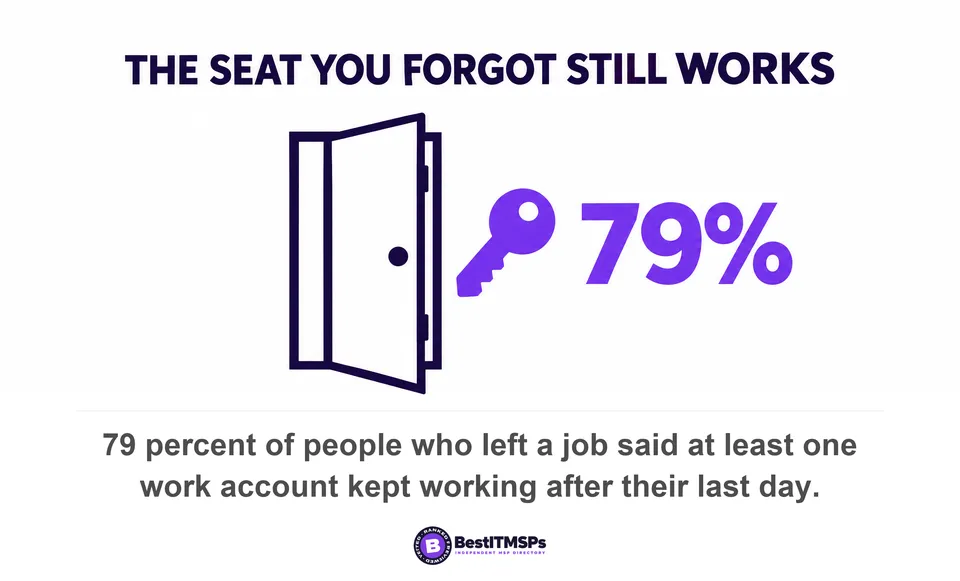
A five-step SaaS spend management audit for SMB owners. Find the seats nobody canceled, and why every dead license is also a live account.
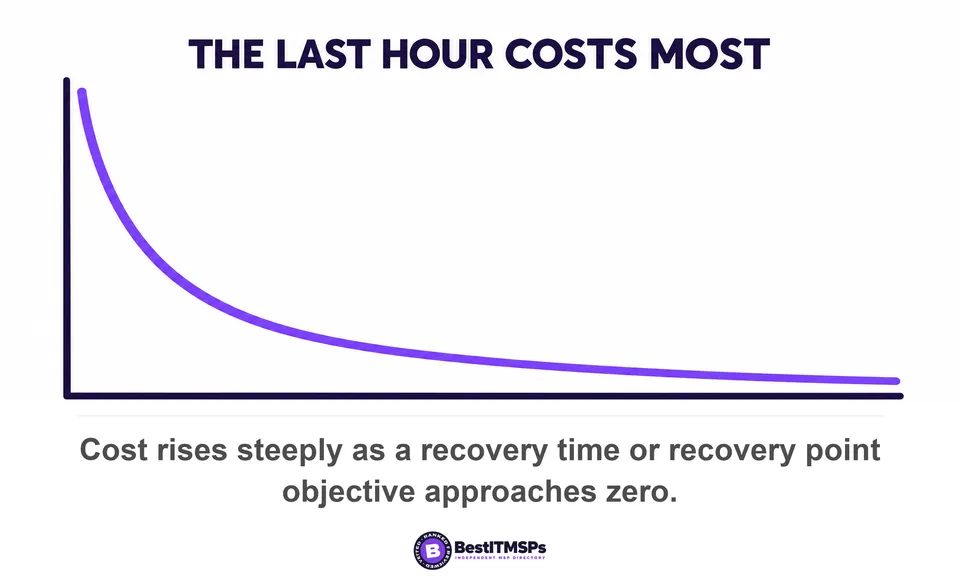
RTO vs RPO explained as price dials, not definitions. See why cost rises steeply near zero, how to cost an hour of downtime, and what to tier.
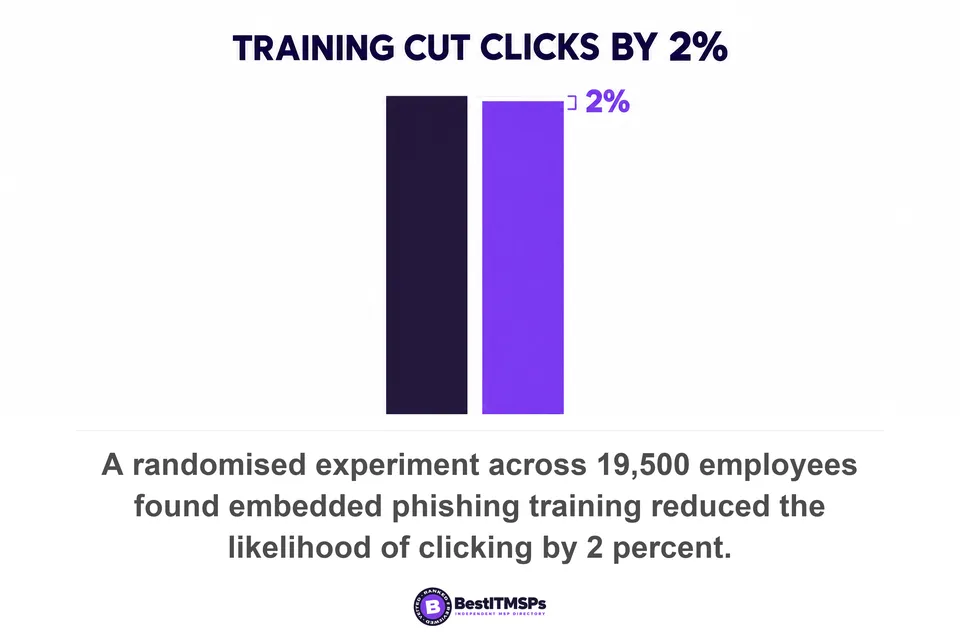
Your phishing simulation report leads with click rate. Report rate is the number that predicts whether a real attack gets caught. Here is what to ask for.
Compare MSP pricing models with real arithmetic. Work out whether per-user or per-device suits your device-to-headcount ratio, and what each one excludes.
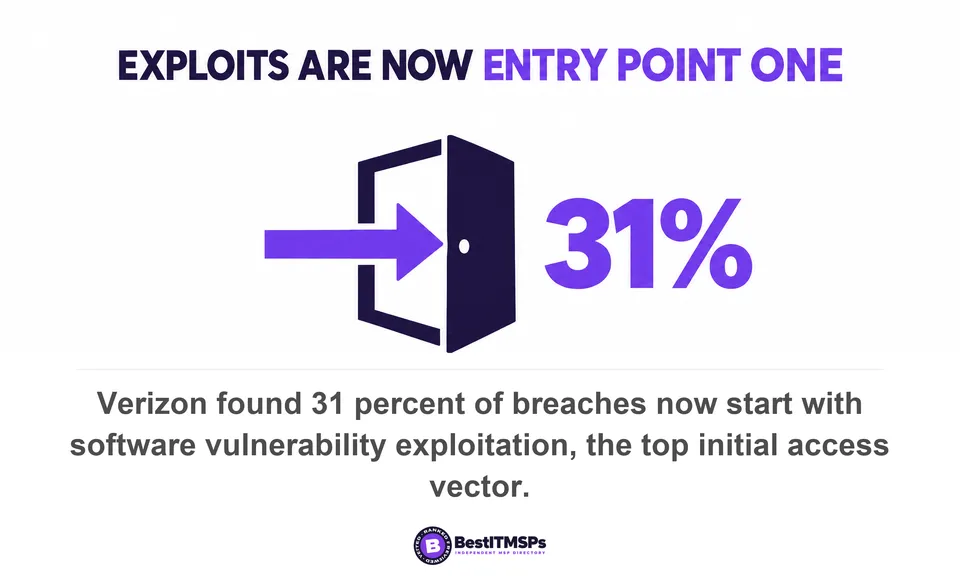
Your patch compliance rate is a fraction, not a grade. The three questions that reveal which assets your MSP excluded, and for how long they have been missing.
Every managed services agreement excludes work. That list, not the monthly fee, decides your real annual spend. Here is how to price it before you sign.
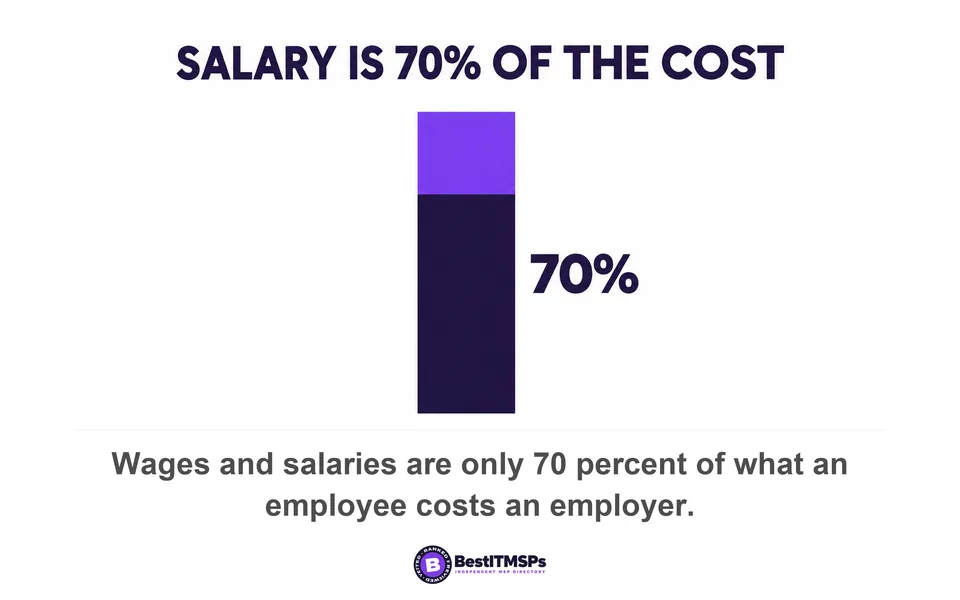
MSP vs hiring IT staff, with the real arithmetic. Total cost of employment, the coverage gap, and why there is no clean crossover headcount.
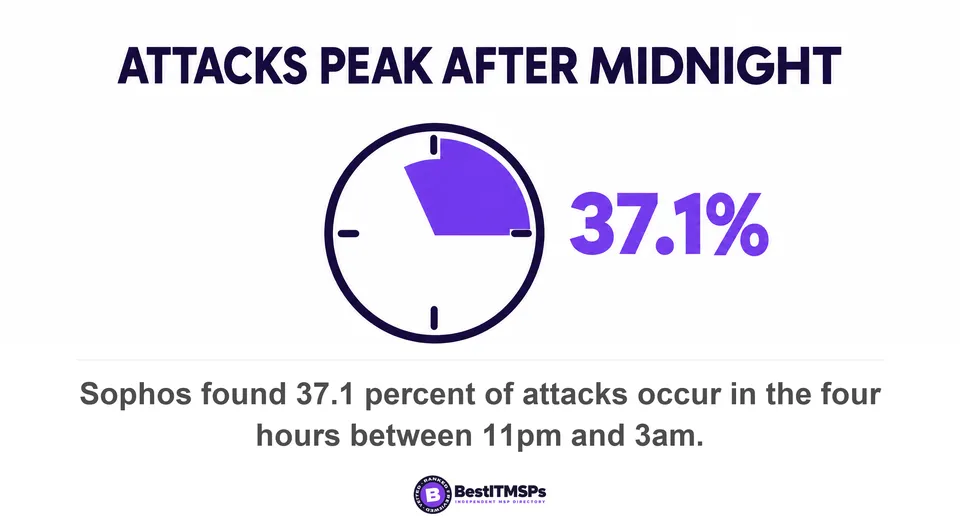
Vendor privileged access management, for buyers. Three questions that show who at your MSP holds admin rights, if sessions are recorded, and how access ends.
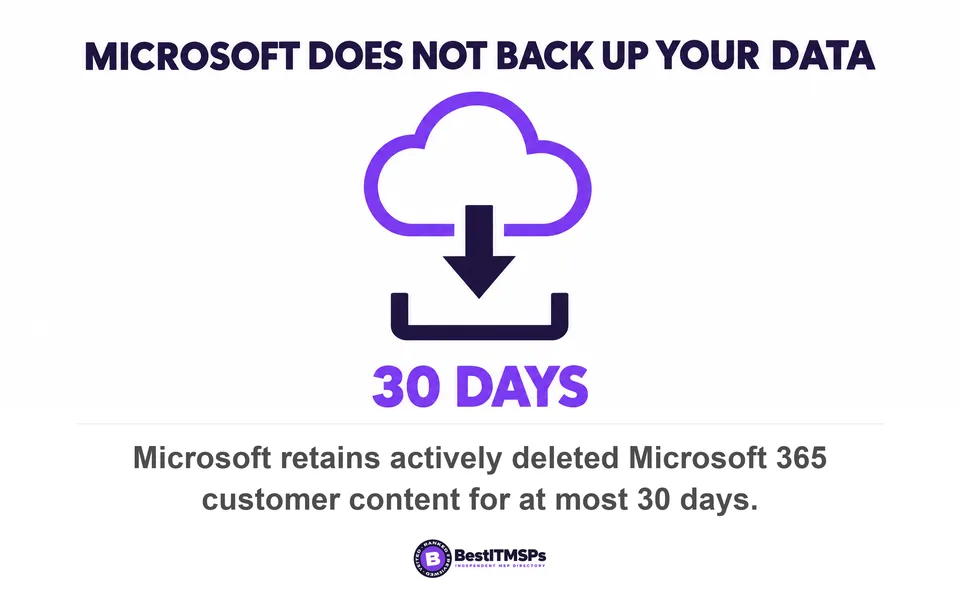
Does Microsoft 365 back up your data? No. See the real retention windows for Exchange, OneDrive and SharePoint, and what to ask your IT provider.
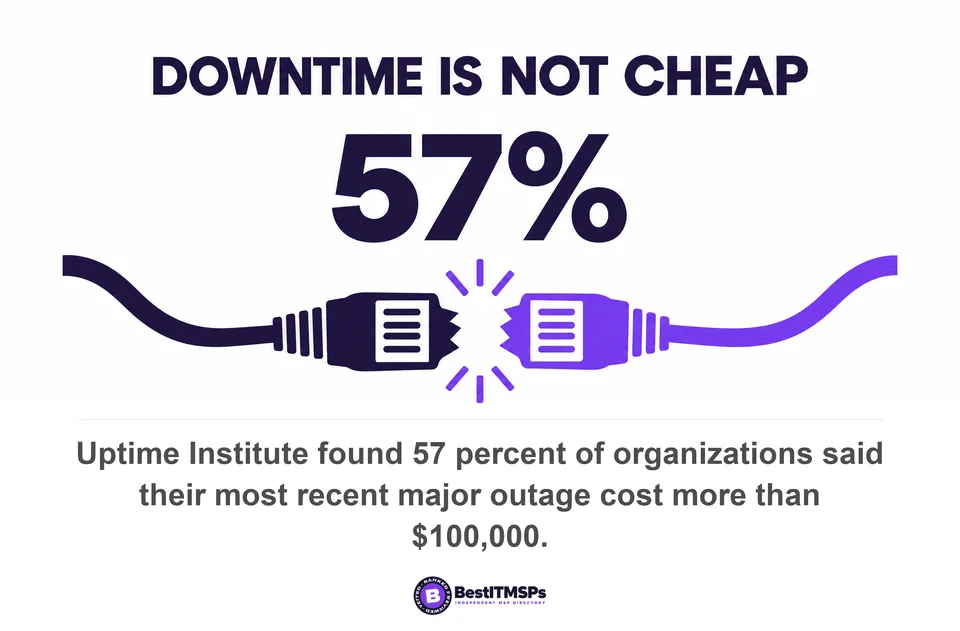
Your business internet backup only counts if something switches traffic automatically. How to test failover in an afternoon, and the three ways it fails.
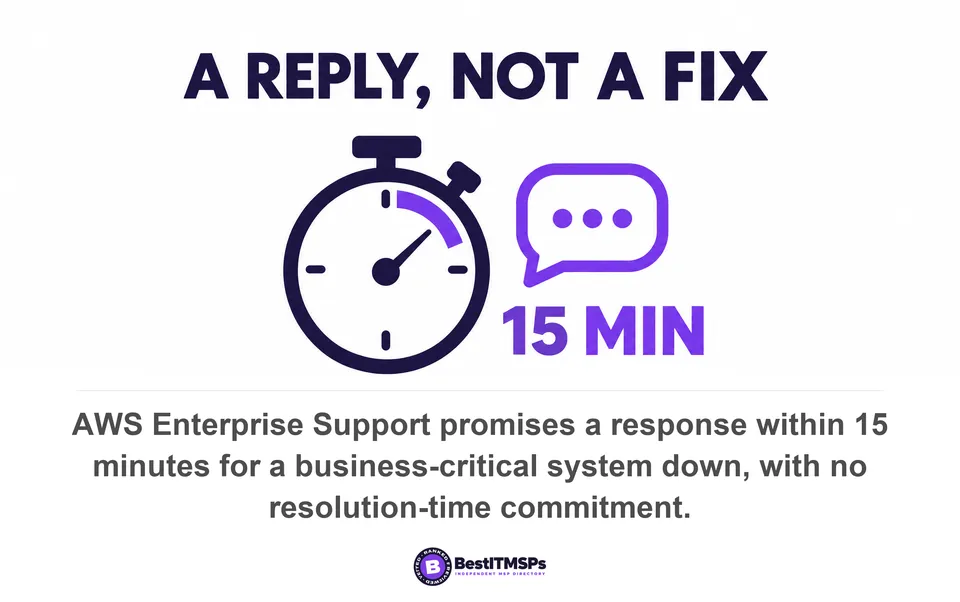
Your MSP guarantees an SLA response time, not a fix. See what each clause commits to, why resolution is missing, and who really grades your P1.
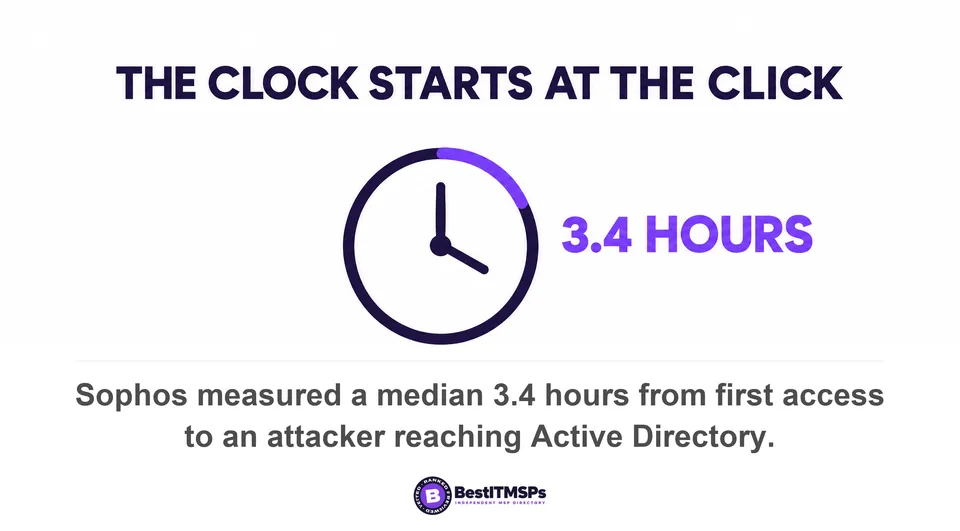
DNS filtering blocks the lookup every connection needs, so it still works after a user clicks. How it works, its limits, and how to check you have it.
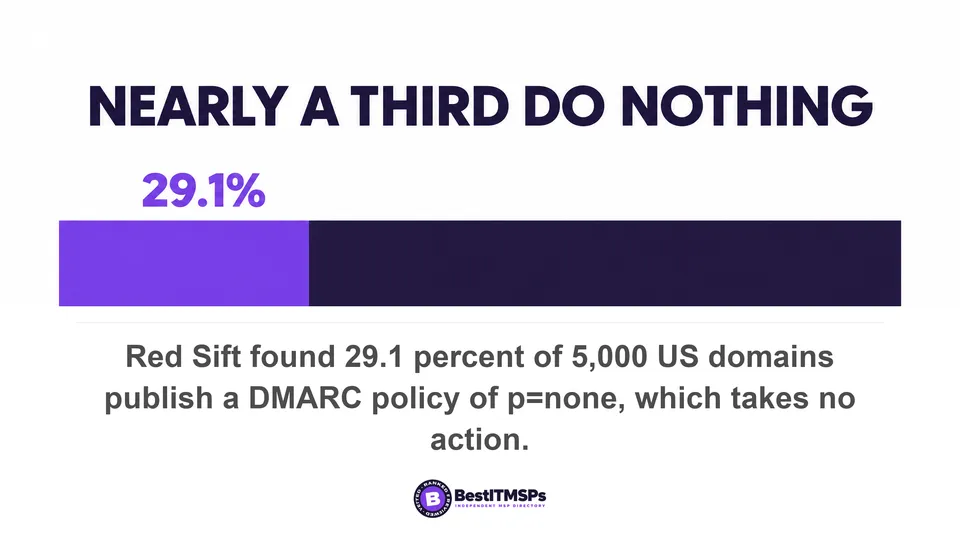
Your security scan says DMARC policy not enabled. That means p=none, which is monitoring only. What each policy permits and what to ask your provider.
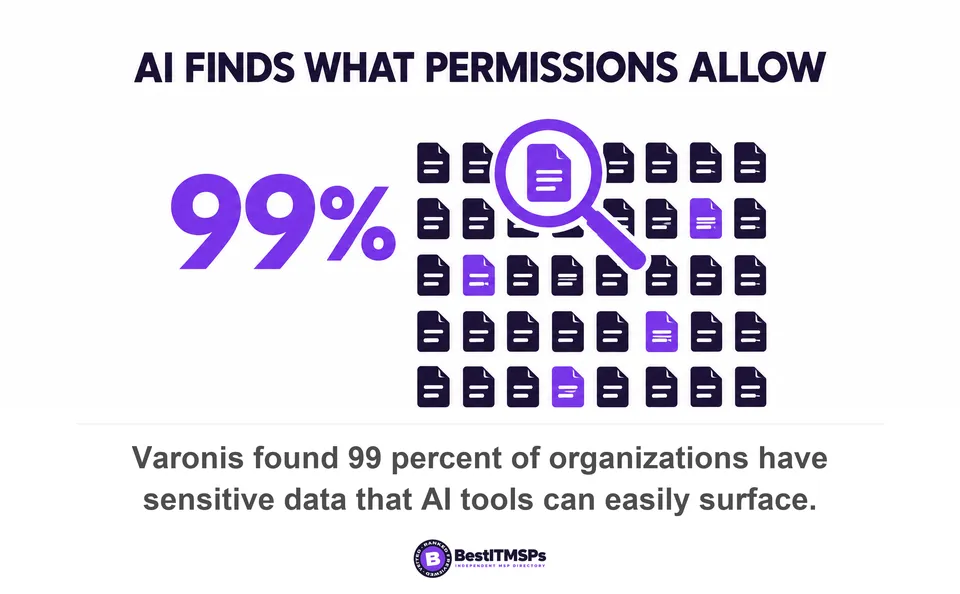
Copilot data security starts with permissions. Microsoft says Copilot only surfaces what a user can already open. Here is the review to run first.
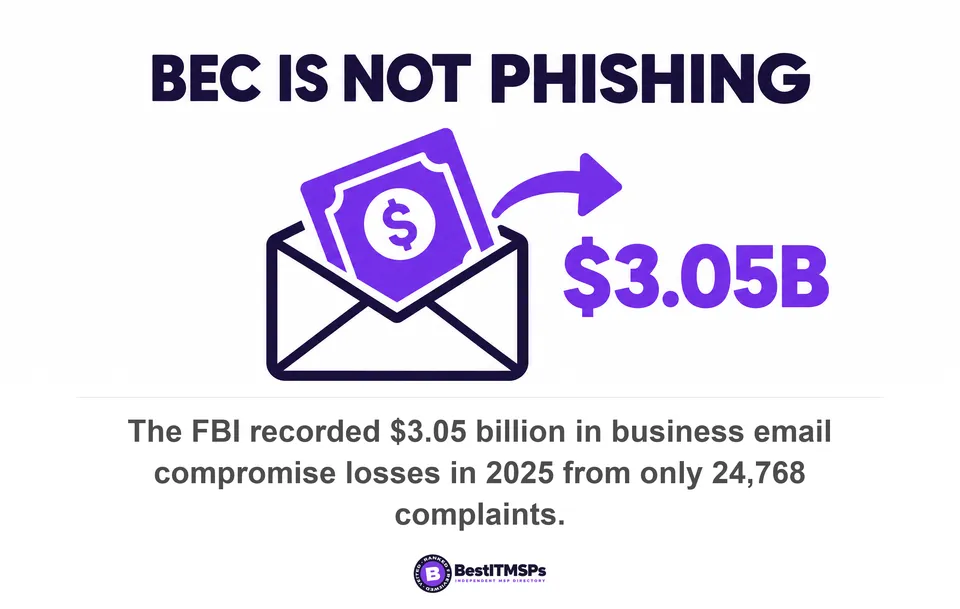
Invoice fraud is not phishing. BEC caused 24,768 FBI complaints and $3.05 billion in losses. Why email filters miss it and which payment controls stop it.
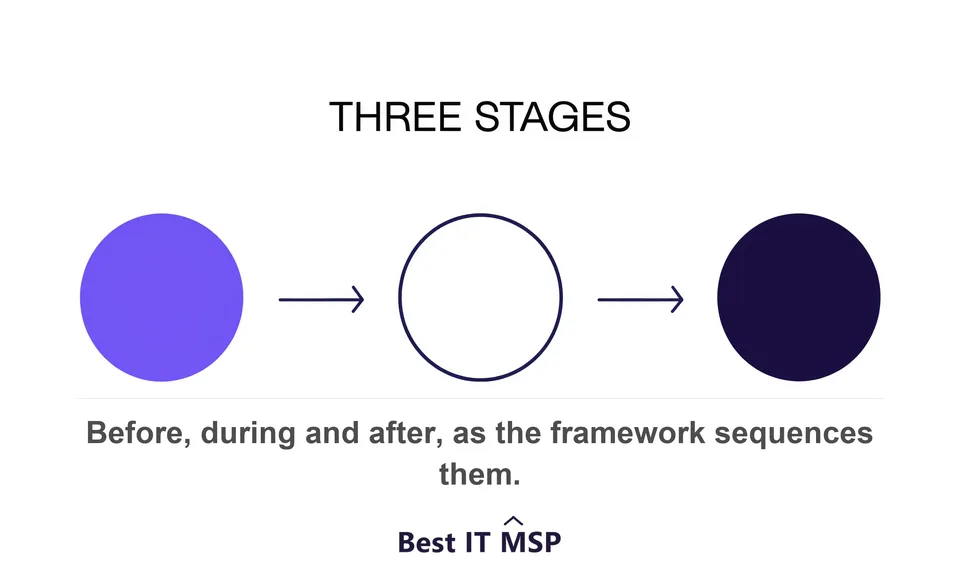
Nearly all advice about managed IT providers is about choosing one. The frameworks say the relationship is a lifecycle, and the middle stage is the neglected one.
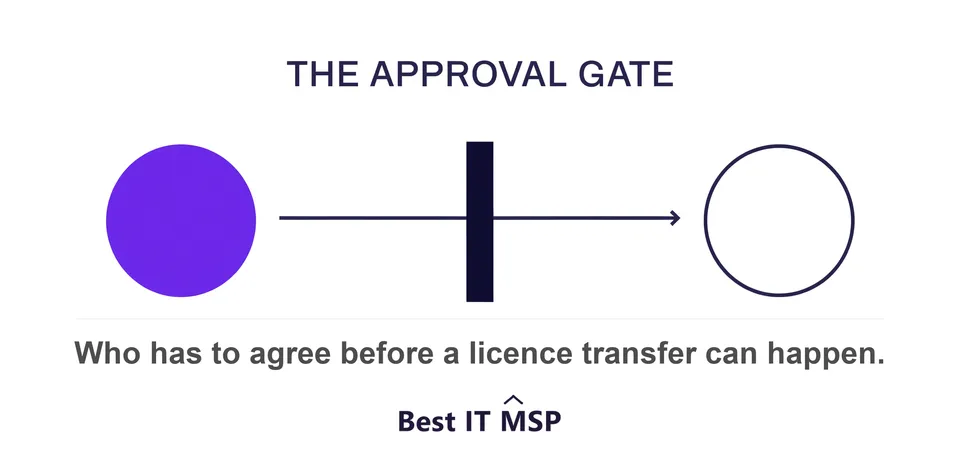
An exit readiness test for the IT provider you already have: who owns the licences, the domain and the documentation, and what you are actually entitled to get back.
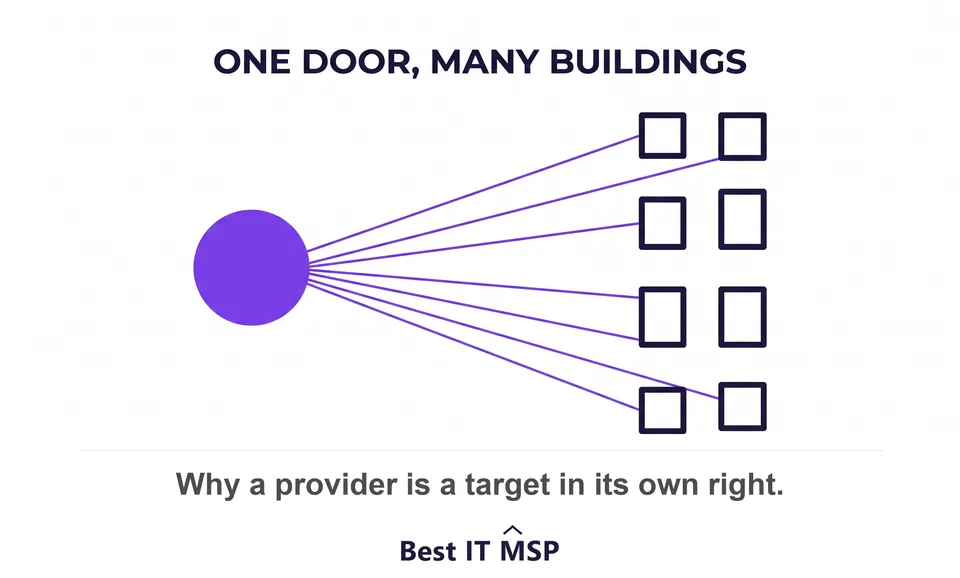
How to audit your IT provider's own security, and how to read what a SOC 2 report, an ISO 27001 certificate and a certificate of insurance actually prove.
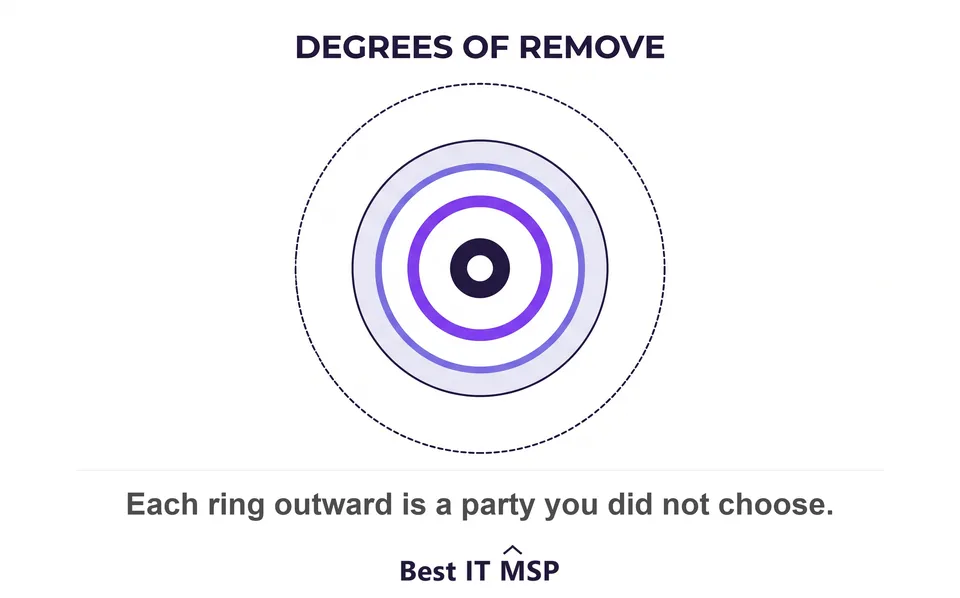
Who else can reach your data through your IT provider, which of your obligations follow it downstream, and the four clauses that close the gap.
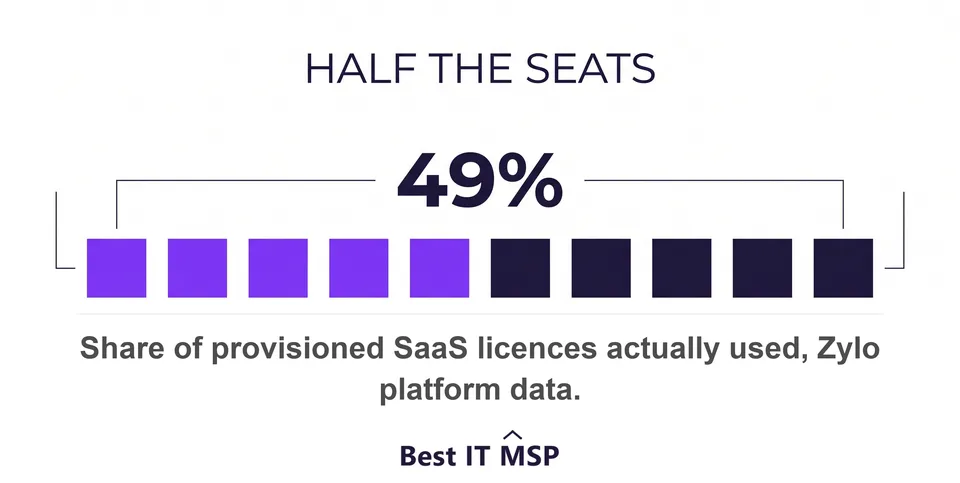
Eight checks on what your IT provider actually bills you for, covering unused seats, leavers, the seven-day reduction rule and who owns the licences.
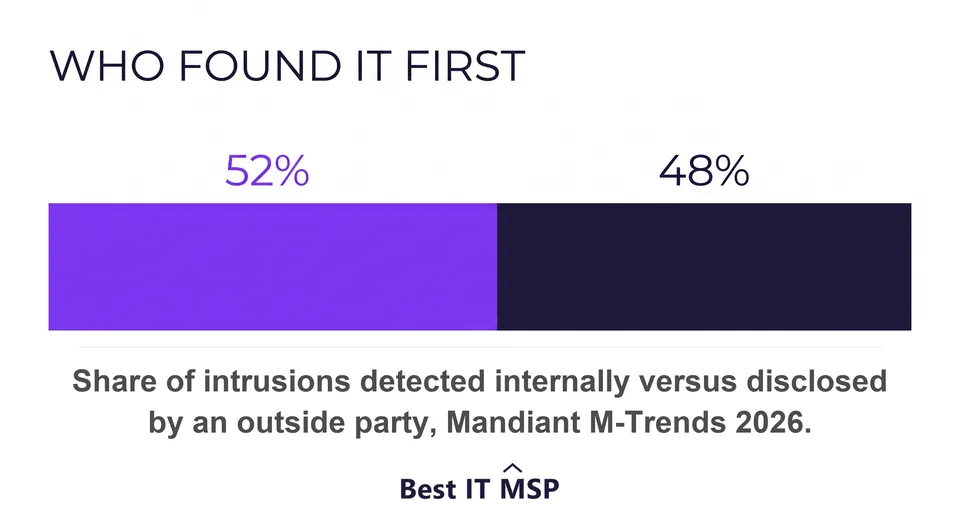
Seven checks on whether your IT provider would detect an intrusion at all, covering log sources, retention, alert coverage and who owns cloud logging.
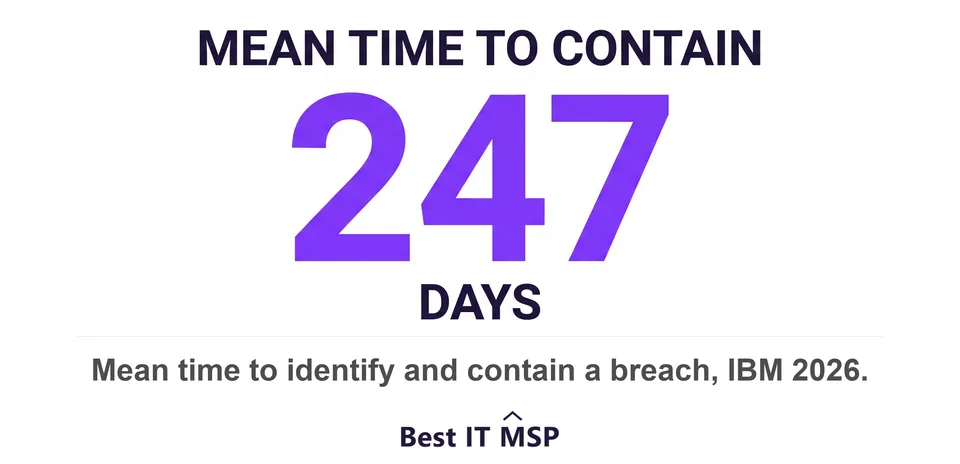
A ninety-minute tabletop drill that tests what your IT provider actually does when a clock is running, in seven questions.
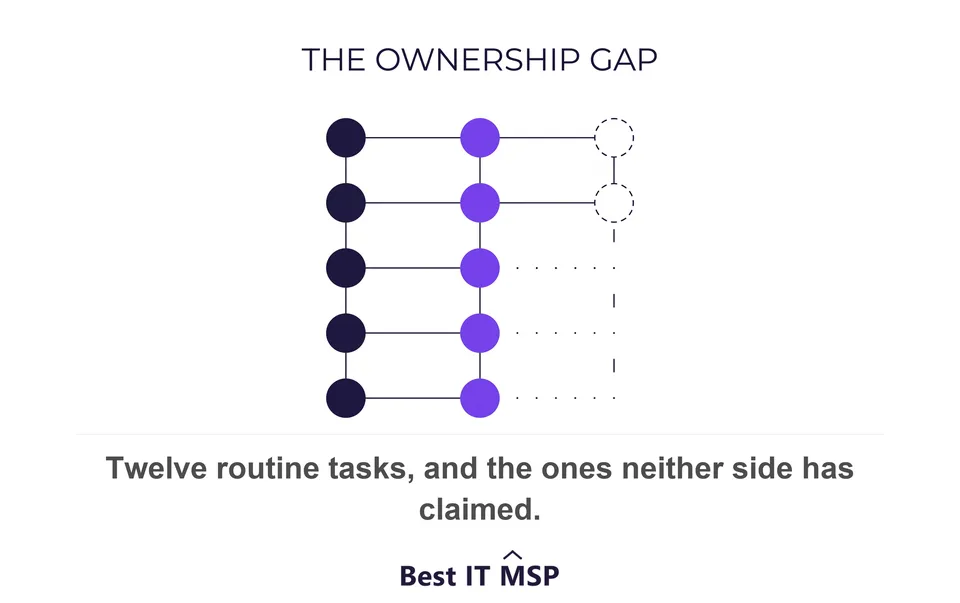
Twelve IT security tasks that commonly fall between a business and its IT provider, and how to assign every one of them in a single meeting.
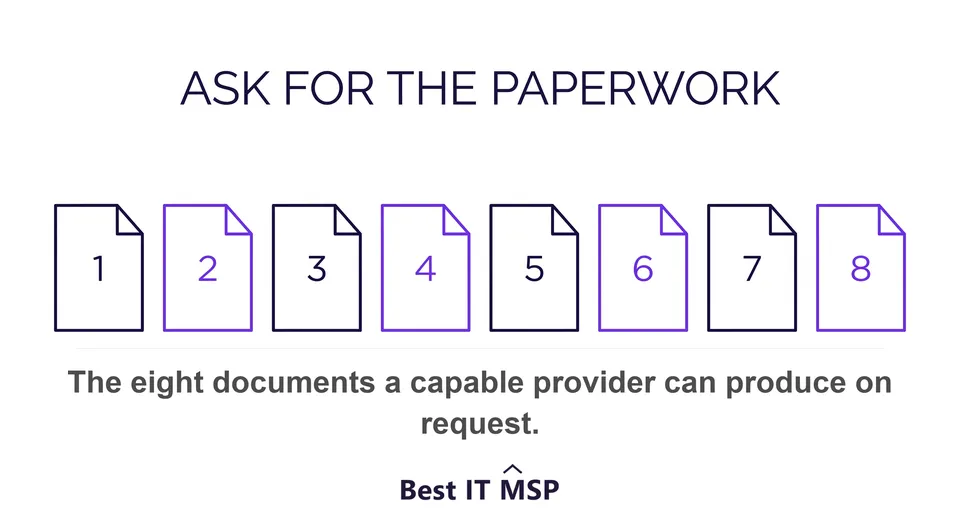
The eight documents a managed IT provider should hand you on request, what a real one contains, and the answer that should worry you.
Nine checks to audit the privileged access your IT provider already holds, based on CISA's joint advisory for MSP customers.
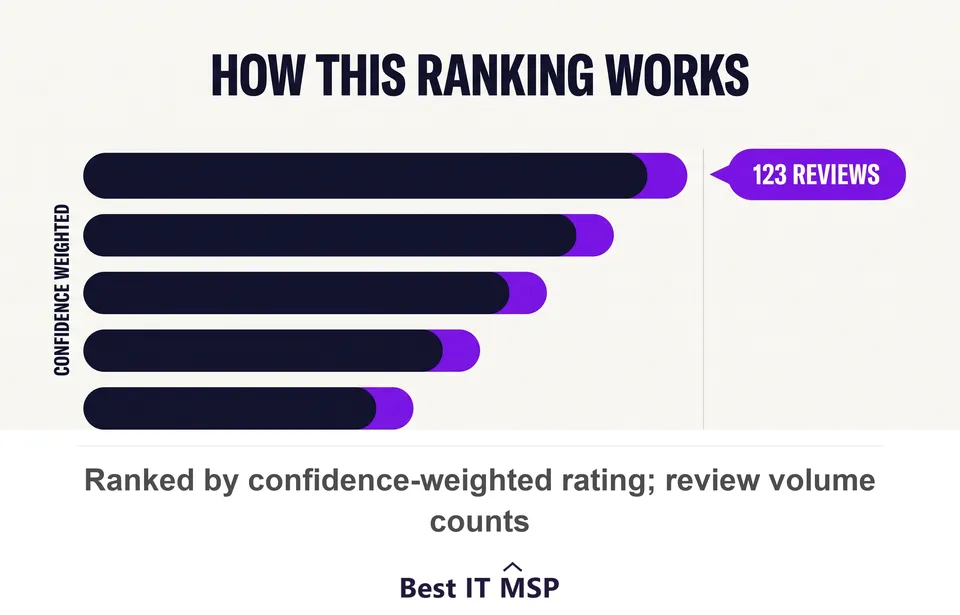
The 10 best manufacturing IT providers in Montreal, ranked by verified rating and review volume, plus what Quebec's Law 25 asks of your systems.
The 10 best IT providers for Mississauga manufacturers, ranked by verified rating and review volume, with the OT and plant-floor questions to ask.
The 10 best manufacturing IT providers in Chicago, ranked by verified rating and review volume, plus what the CMMC pause did and did not change.
The 10 best manufacturing IT providers in Buffalo, ranked by verified rating and review volume, plus why an outage here becomes a border problem.
The 10 best IT providers for Scottsdale real estate firms, ranked by verified rating and review volume, with the wire-fraud controls to insist on.
The 10 best IT providers for San Jose professional services firms, ranked by verified rating and review volume, plus the two audits your firm now faces.
The 10 best IT providers for Oklahoma City professional services firms, ranked by verified rating and review volume, with the continuity questions this metro asks.
The 10 best IT providers for Montreal consultancies and agencies, ranked by verified rating and review volume, with the Law 25 questions to ask.
The 10 best IT providers for Los Angeles law firms, ranked by verified rating and review volume, with the confidentiality and litigation-hold questions to ask.
The 10 best IT providers for Knoxville professional services firms, ranked by verified rating and review volume, plus how to read a response-time guarantee.
The 10 best healthcare IT providers in San Antonio, ranked by verified rating and review volume, with the questions a clinic near a military base should ask.
The 10 best healthcare IT providers in Philadelphia, ranked by verified rating and review volume, with the research and trial-site questions to ask.
The 10 best healthcare IT providers in Miami, ranked by verified rating and review volume, plus why your audit logs matter more in this district.
The 10 best finance IT providers in Vancouver, ranked by verified rating and review volume, plus what FINTRAC's five-year rule asks of your systems.
The 10 best IT providers for Salt Lake City finance firms, ranked by verified rating and review volume, with the examination questions to ask.
The 10 best finance IT providers in Manhattan, ranked by verified rating and review volume, plus what NYDFS Part 500 makes your firm responsible for.
The 10 best IT providers for San Francisco technology and SaaS companies, ranked by verified rating and review volume, with the co-managed questions to ask.
The 10 best healthcare IT providers in Nashville, ranked by verified rating and review volume, with the questions to ask before you sign a BAA.
The 10 best healthcare IT providers in Houston, ranked by verified rating and review volume, with the questions a clinic should ask before signing.
The 10 best IT providers for Toronto finance and accounting firms, ranked by verified rating and review volume, with the OSFI and CIRO questions to ask.
An MSP cybersecurity checklist for buyers. What belongs in the base plan, what is a fair add-on, what is an overcharge, and the question that exposes each one.
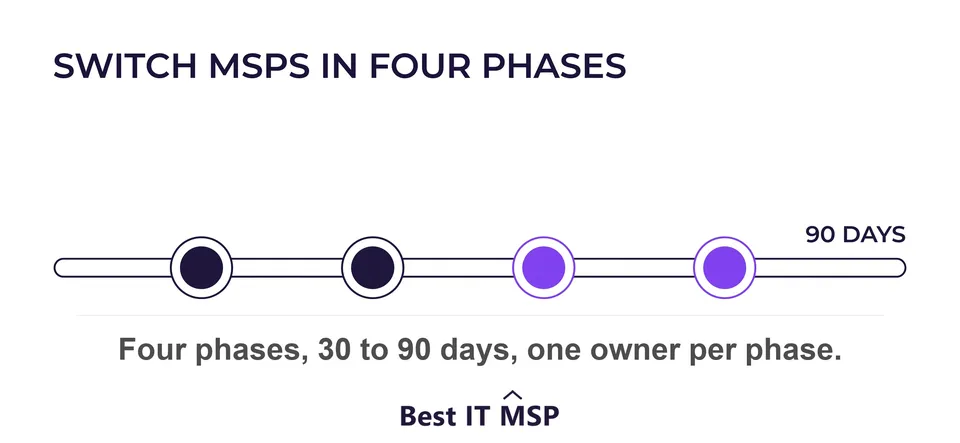
Switching MSPs without downtime takes 90 days, not a resignation letter. Read the contract first, itemize the handover, then revoke every credential.
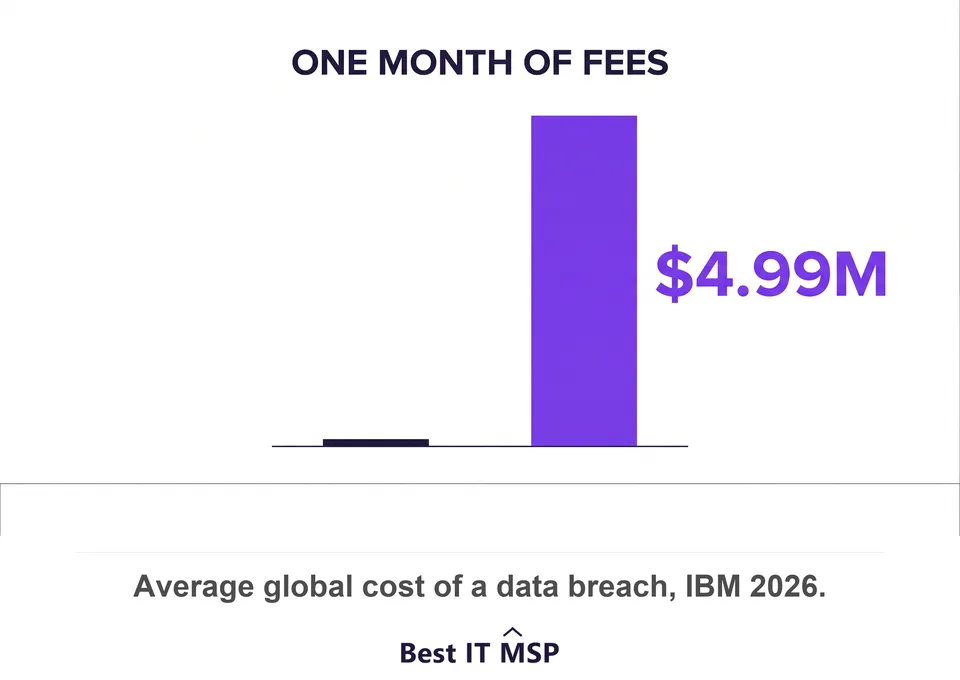
Ten MSP contract red flags, what each one costs you, and the exact redline to propose. Auto-renewal, liability caps, data exit, SLAs, pricing and assignment.
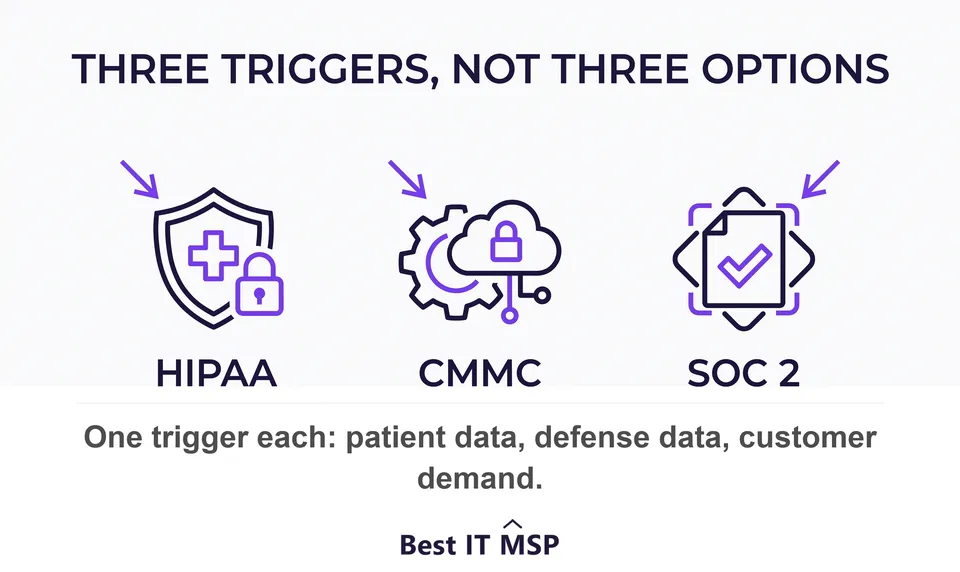
HIPAA vs CMMC vs SOC 2, decided by trigger not industry. See who each one catches, what it costs, who audits it, and what happens if you ignore it.
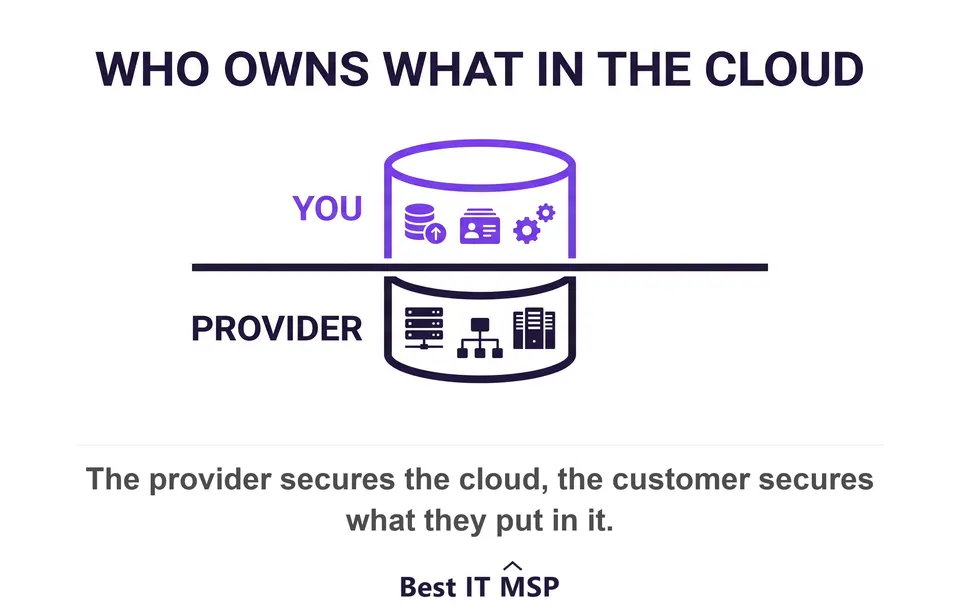
The cloud shared responsibility model explained: what Azure and AWS secure, what you own, and why Microsoft 365 keeps deleted data for only 30 days.
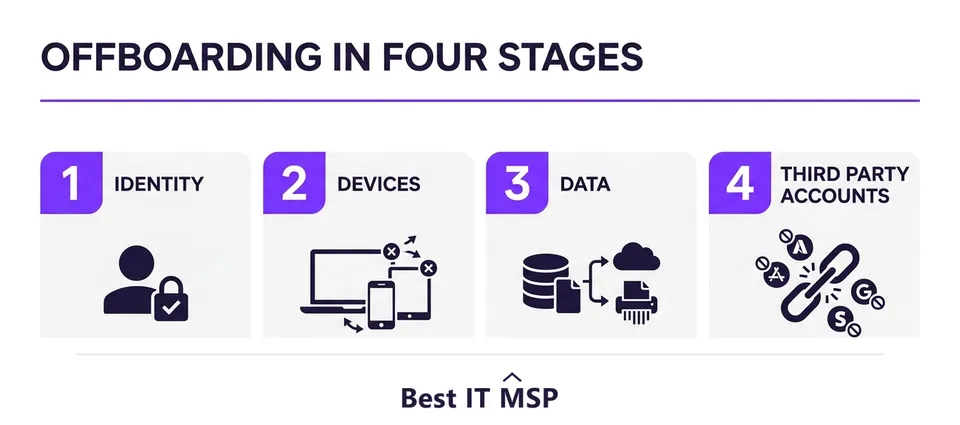
Orphaned accounts are the access nobody revoked. A practical IT offboarding checklist covering identity, devices, data and the accounts most businesses forget.
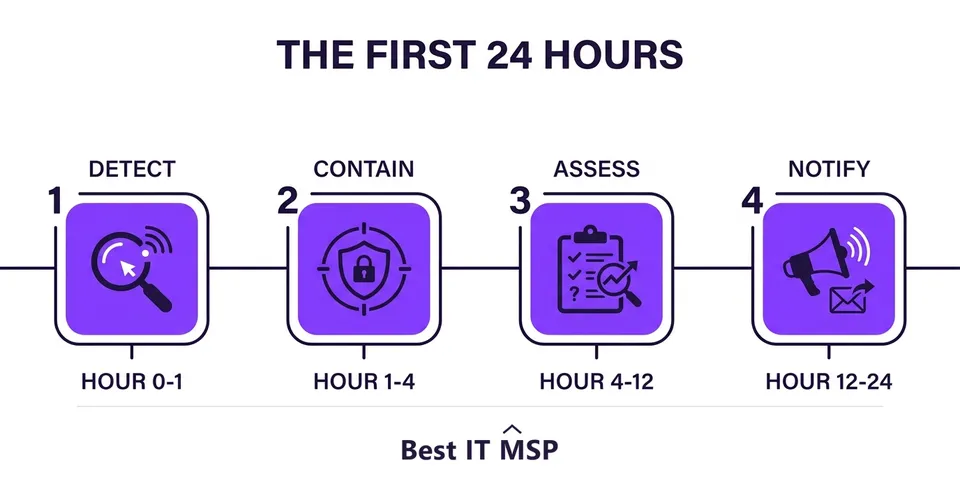
What to do in the first 24 hours of a cyber incident: who to call, what to preserve, what not to touch, and the decisions that decide what it ends up costing.
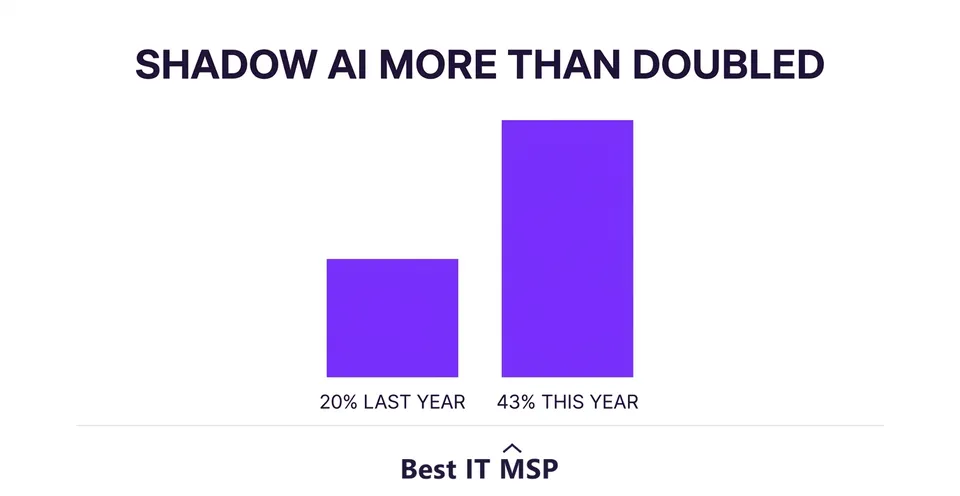
Shadow AI incidents doubled to 43% of breached organisations. What shadow AI is, what it costs, and a practical AI use policy a small business can adopt.
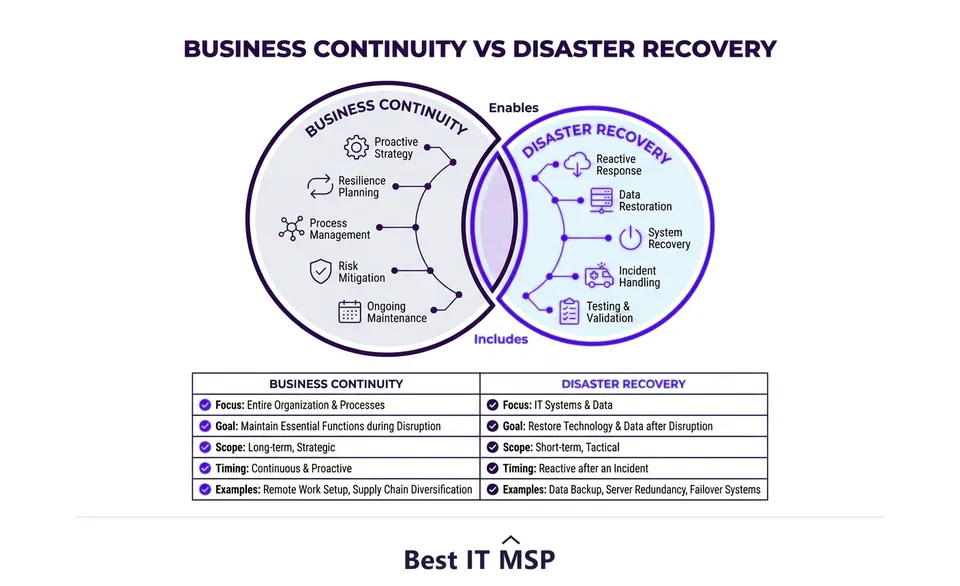
Business continuity vs disaster recovery: how they differ, how BCP and DRP relate, modern disaster recovery solutions like DRaaS, and how to build both for resilience.
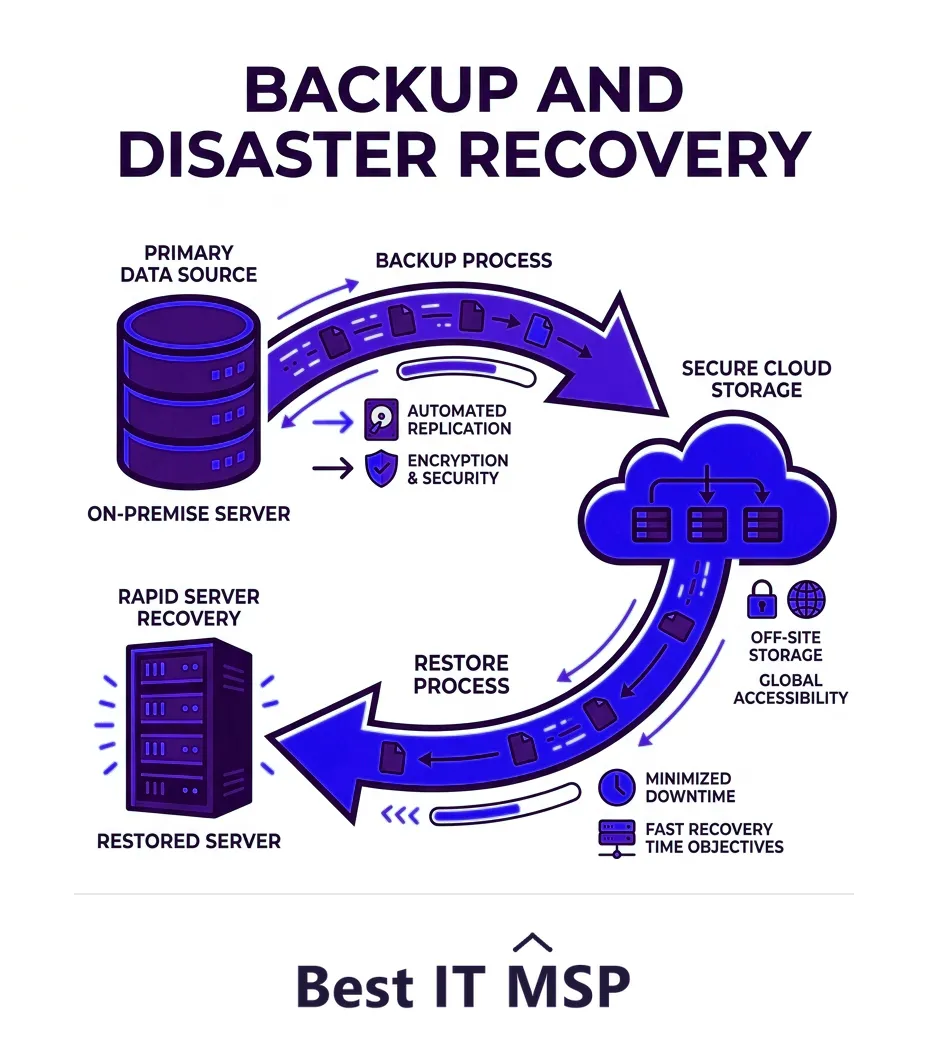
What backup and disaster recovery services are, how backup differs from disaster recovery, RTO and RPO, the 3-2-1 rule, and how to build a recovery plan that works.
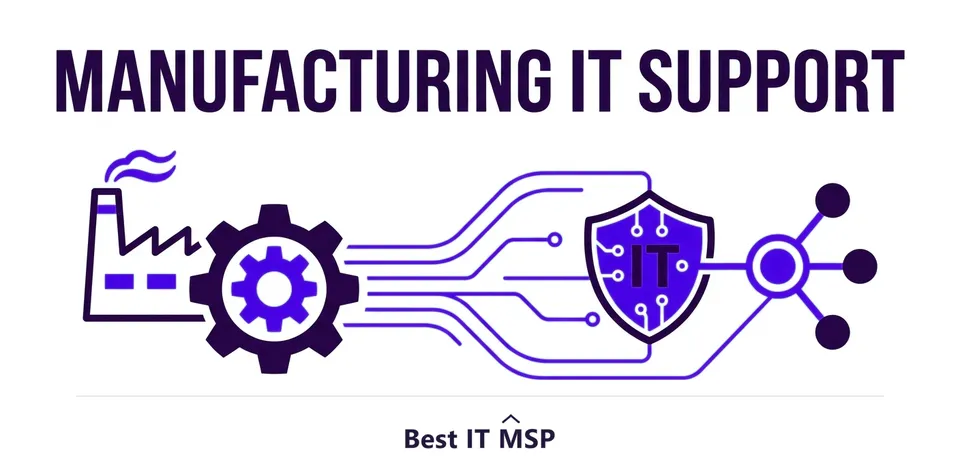
Why manufacturers need specialized IT support: OT and IT convergence, production uptime, the most-attacked sector, and what good manufacturing IT includes.
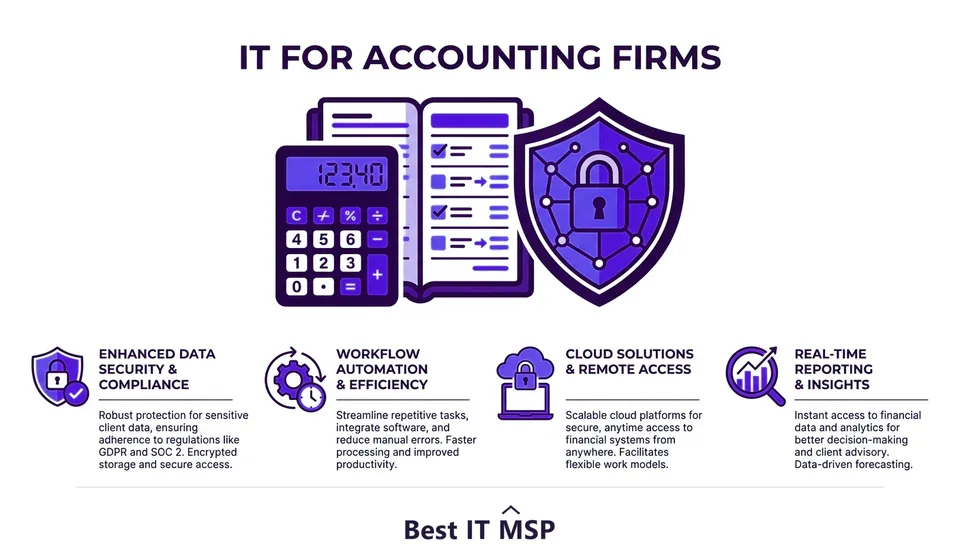
Why accounting firms need specialized IT: protecting client financial data, the IRS WISP requirement, tax-season reliability, and what good accounting IT includes.
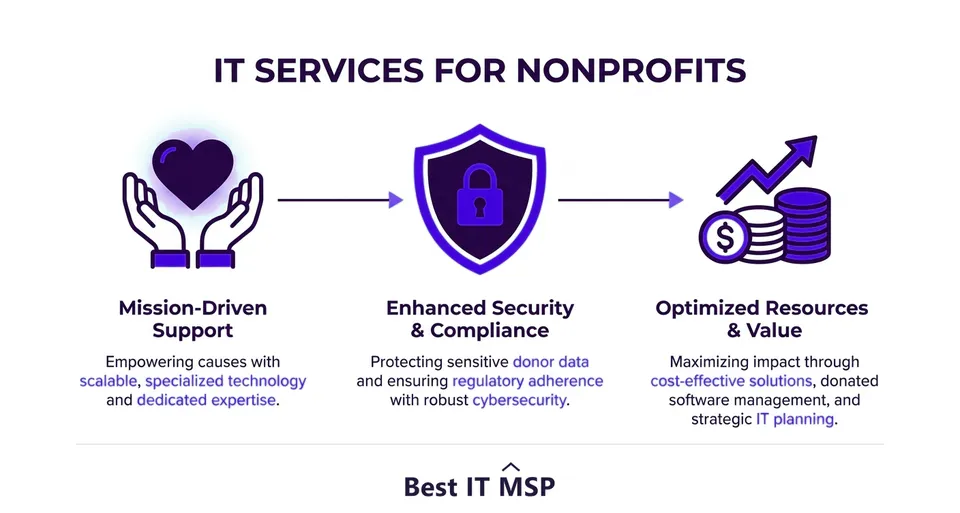
What IT services for nonprofits include, how to stretch a tight budget with discounts and the cloud, why donor-data security matters, and how to choose support.
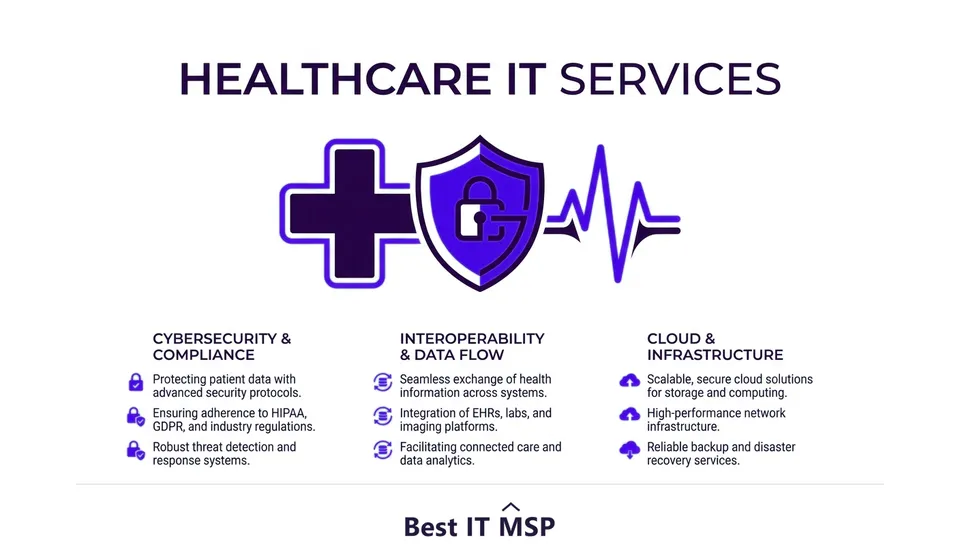
What healthcare IT services include, why HIPAA compliance and security are central, the challenges unique to healthcare, and why specialized IT support matters.
Why law firms need specialized IT support: client confidentiality, security and compliance, document management, and what good legal IT support actually includes.
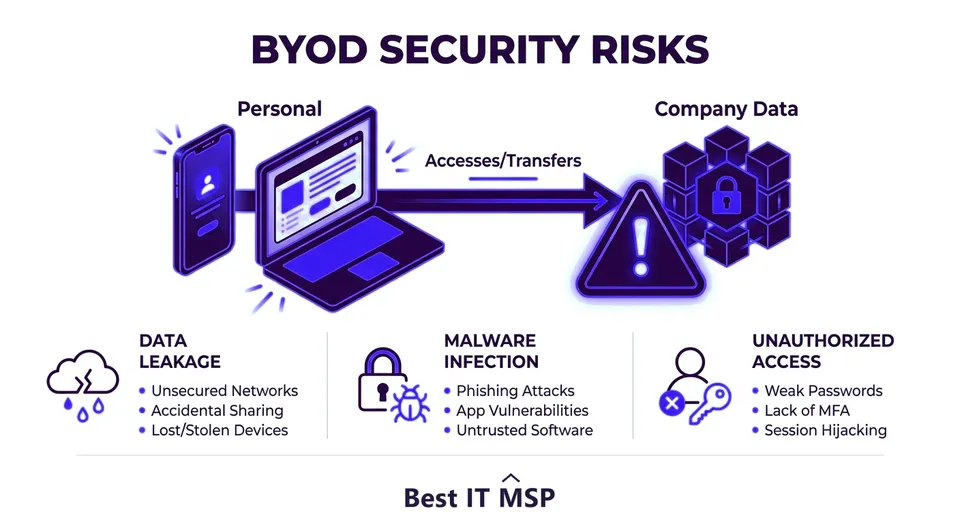
The main BYOD security risks, from data leakage and lost devices to unmanaged endpoints, and how to manage them with MDM, segmentation, and a clear BYOD policy.
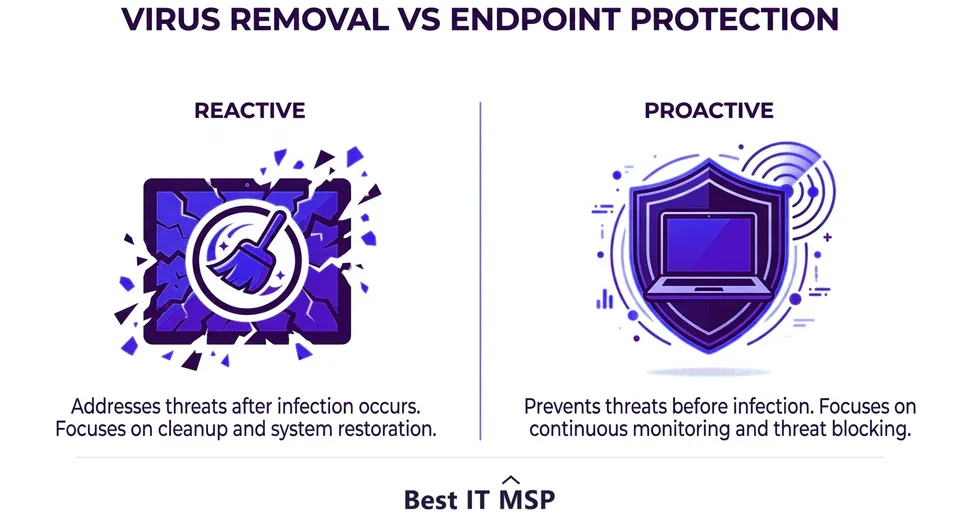
Why virus removal is reactive and outdated, how modern endpoint protection and EDR work, why antivirus alone is not enough, and what good protection includes.
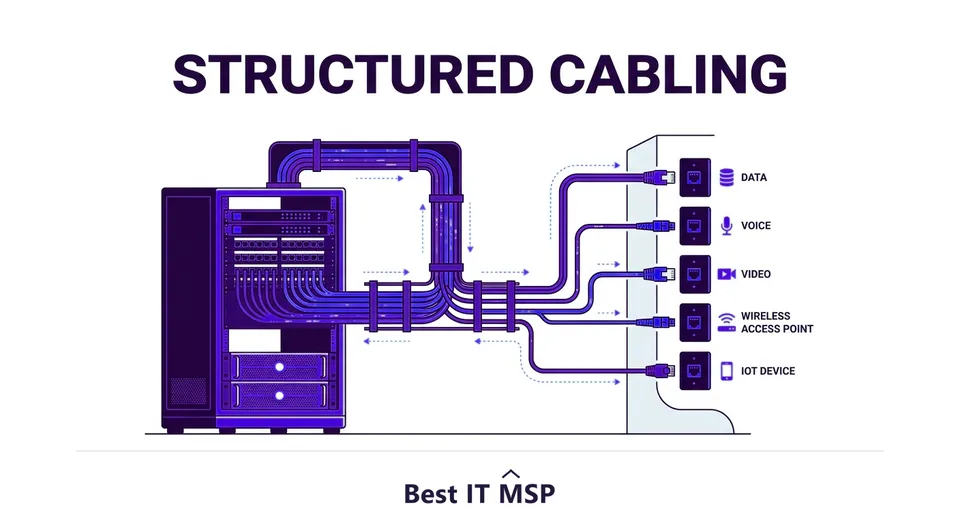
What structured cabling is, its components, the cabling standards (Cat6, Cat6A, fiber), design best practices, common mistakes, and when to invest in your network.
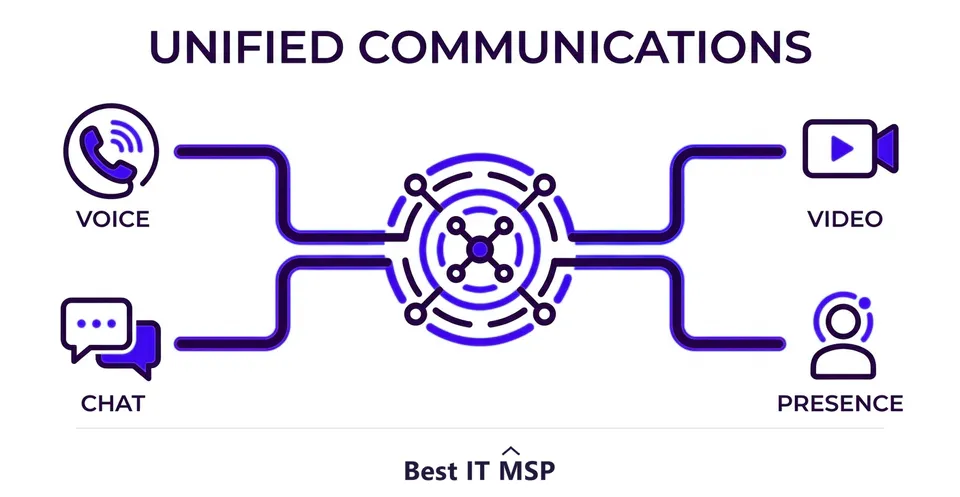
What unified communications is, the channels it brings together, how it relates to VoIP, what UCaaS means, the benefits, and who needs unified communications.
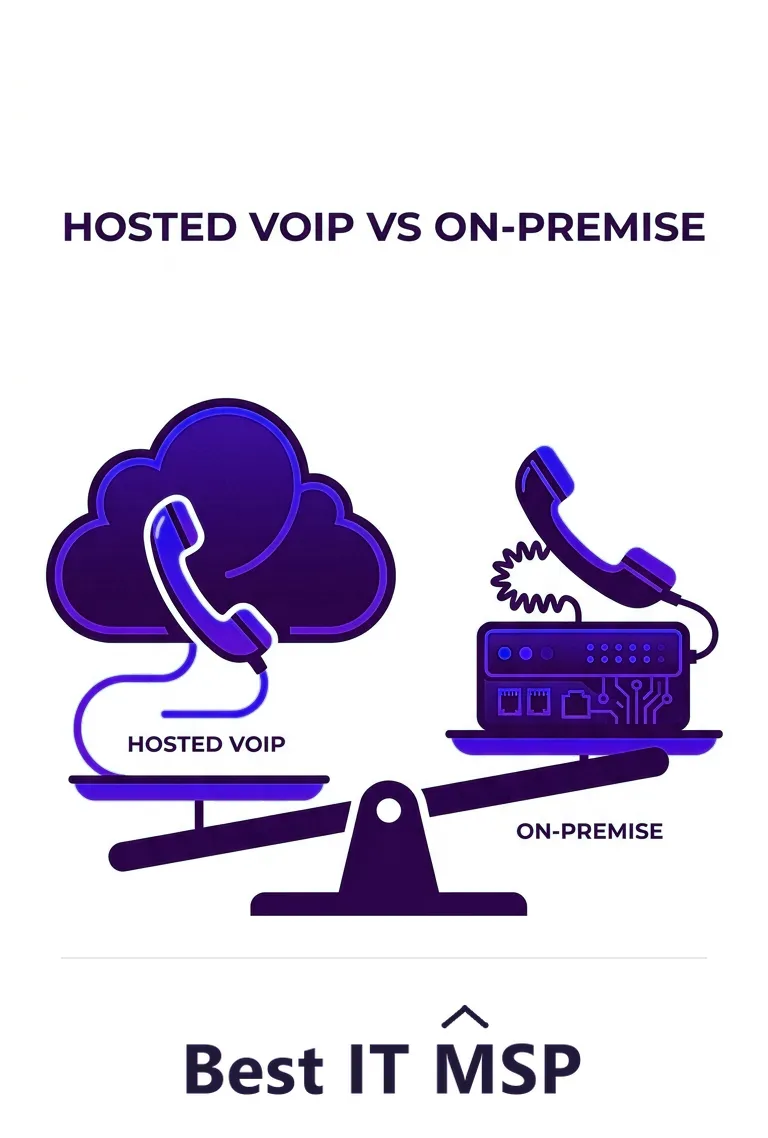
Hosted VoIP vs on-premise phone systems compared on cost, scalability, features, reliability, and maintenance, plus when an on-premise PBX still makes sense.
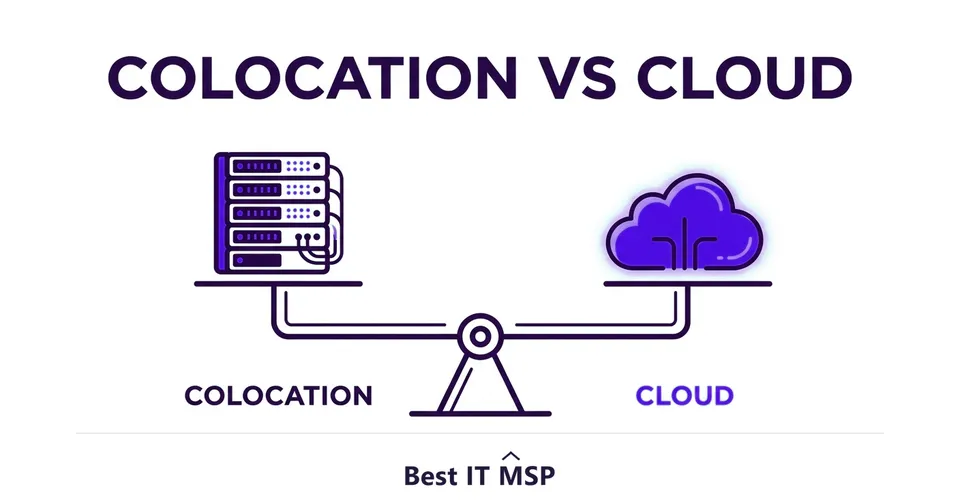
Colocation vs cloud compared on cost, control, scalability, and maintenance, when data center colocation makes sense, when cloud wins, and the hybrid option.
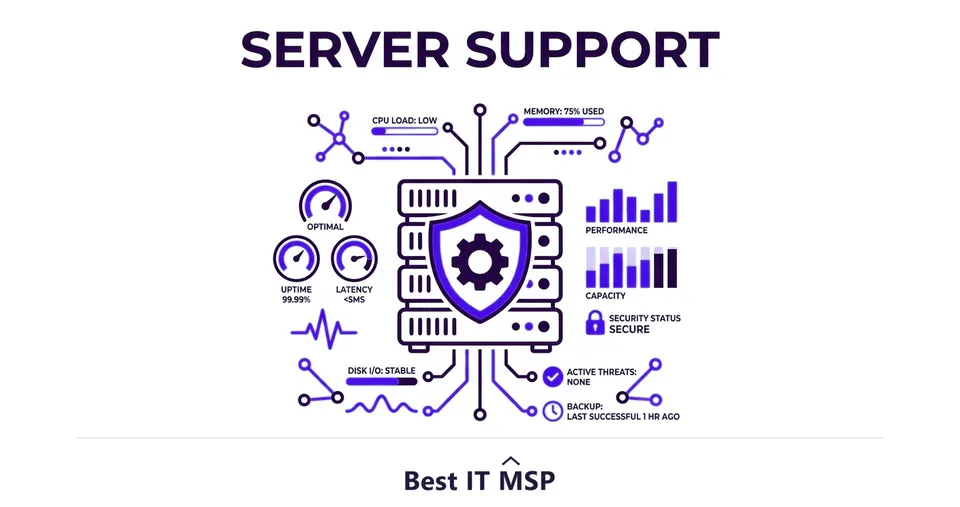
What server support involves, in-house versus managed server support compared, on-premises versus cloud servers, and the real cost of server downtime for a business.
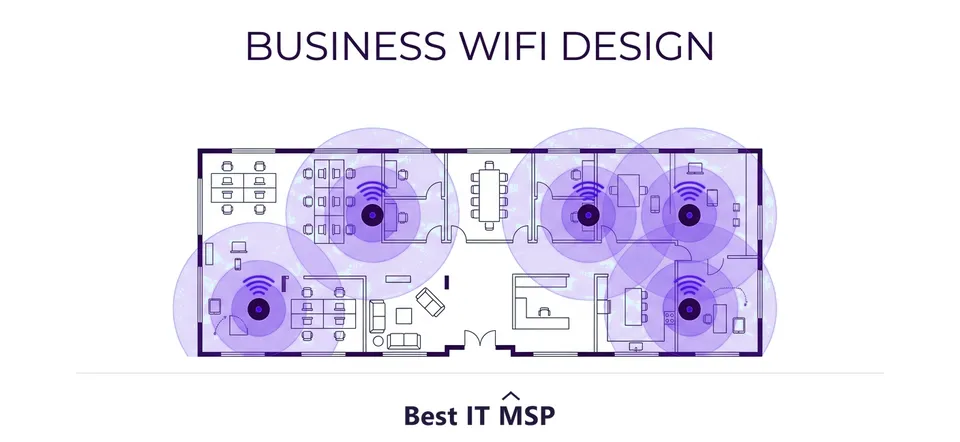
How to build a reliable, secure wireless network for business: access points, controllers, coverage and capacity design, Wi-Fi standards, and wireless security.
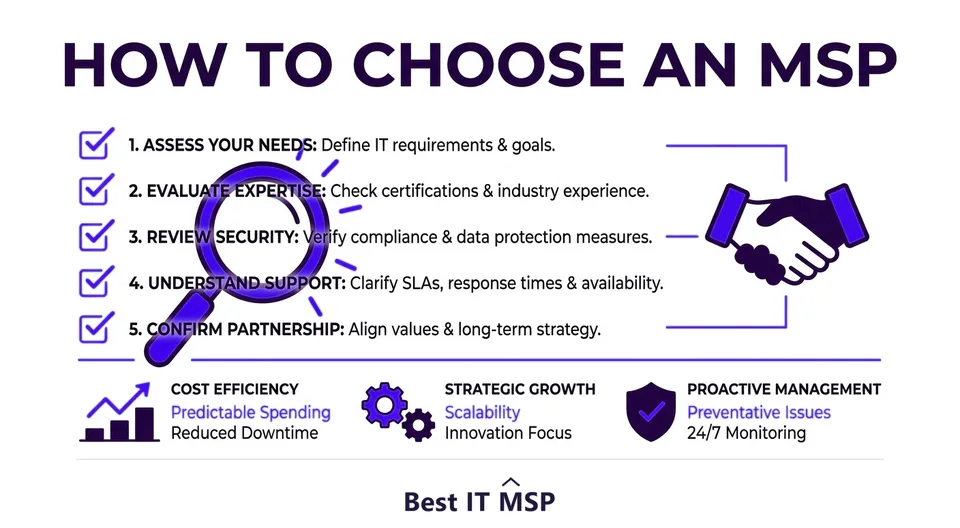
How to choose an MSP: the questions to ask about coverage, security, expertise, pricing, and references before hiring an IT provider, plus the red flags to avoid.
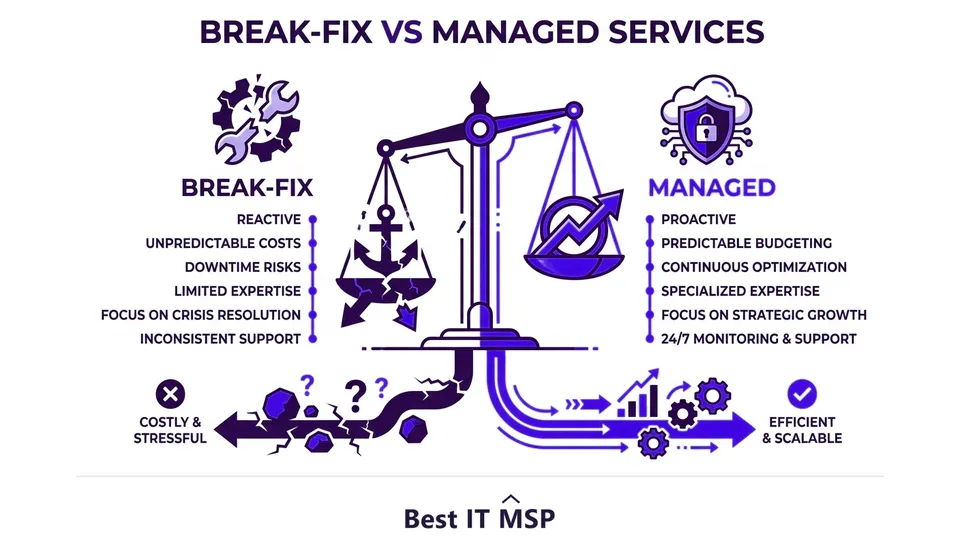
Break-fix vs managed IT services compared on cost, coverage, and incentives, why the industry moved to proactive managed services, and when break-fix still fits.
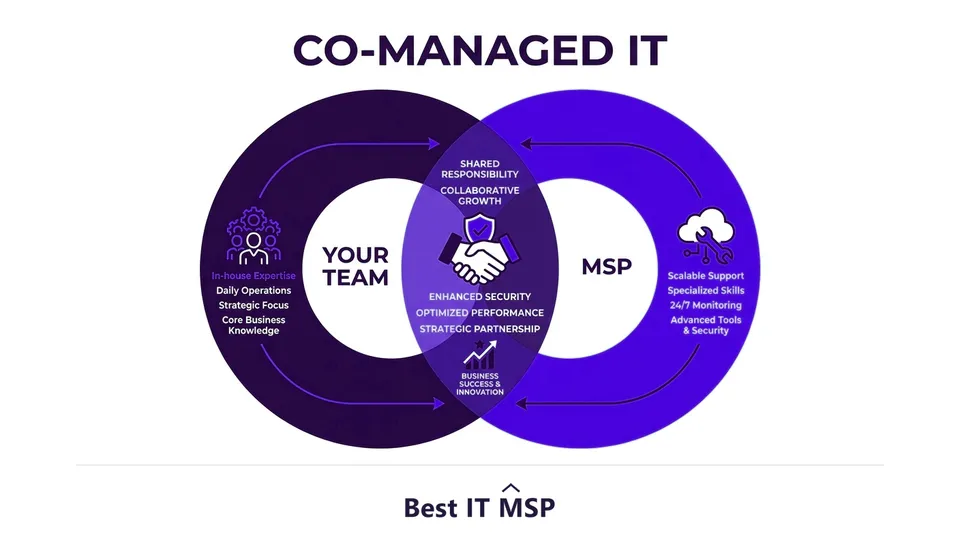
What co-managed IT is, how it works, who it is for, what the MSP handles versus your internal team, the benefits, and how it compares to other IT models.
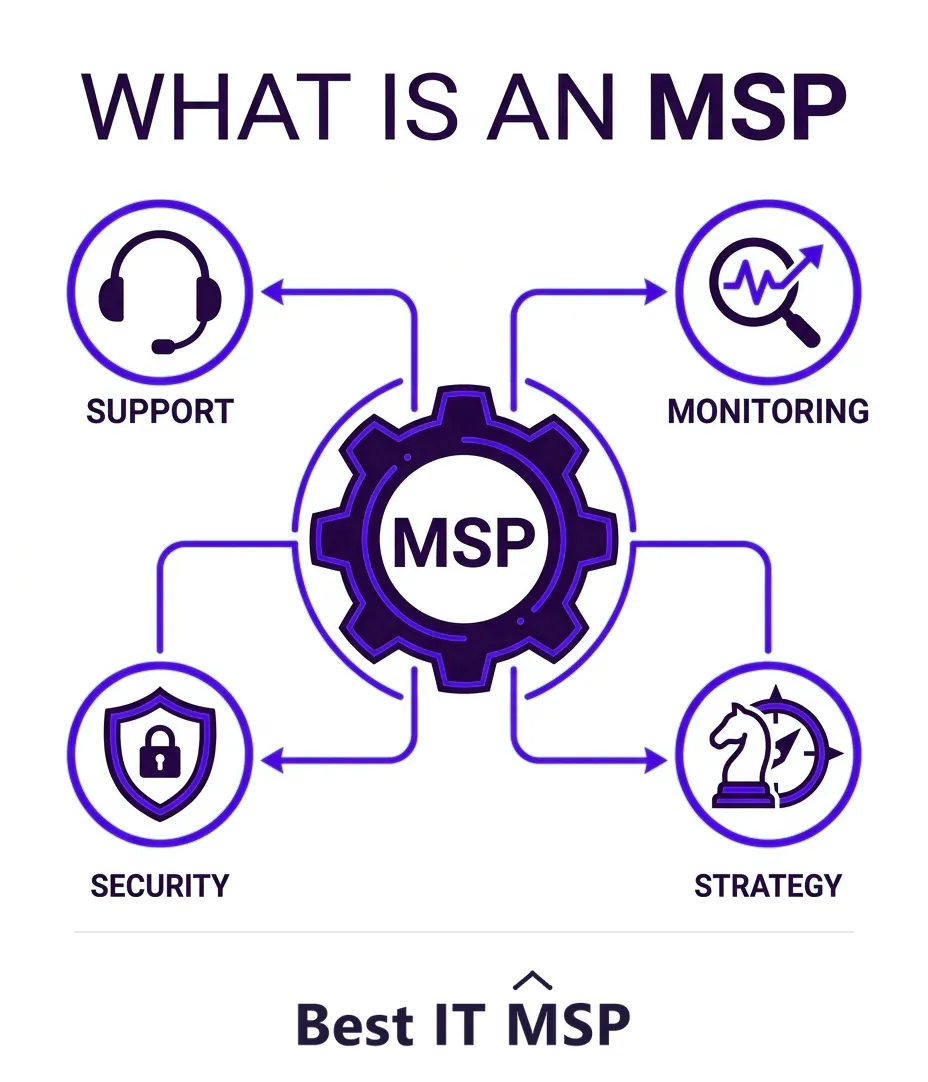
What a managed service provider (MSP) is, what an MSP does, how the model works, MSP versus break-fix and MSSP, the benefits, and how to choose the right provider.
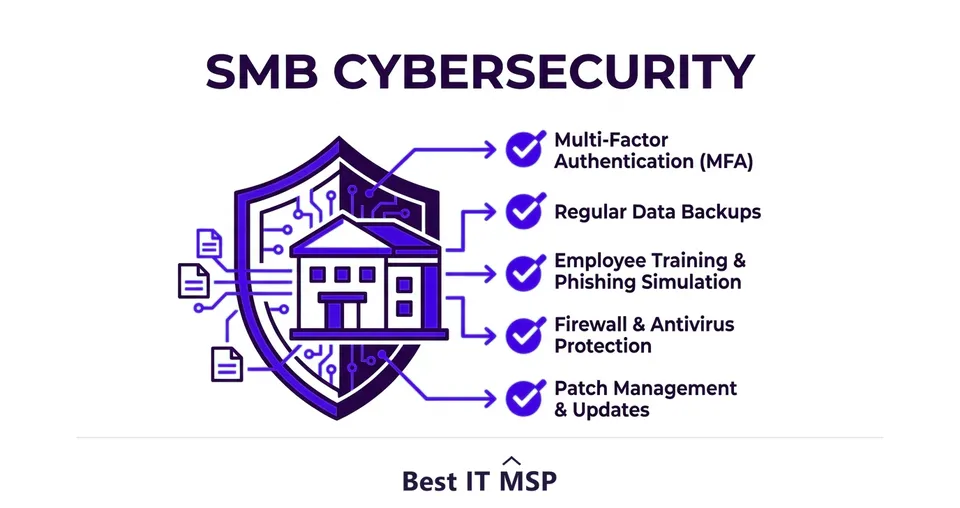
A practical SMB cybersecurity starting guide: why small businesses are targeted, the essential first controls to put in place, and a prioritized roadmap to follow.
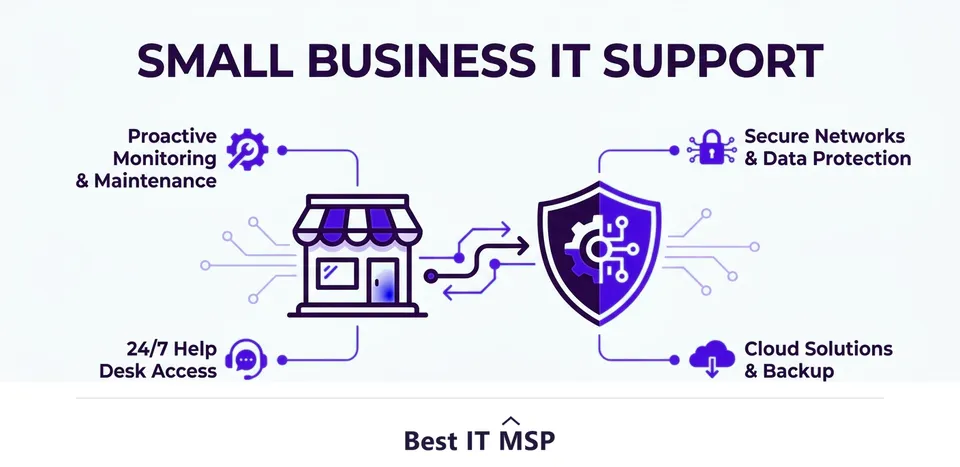
What small business IT support services include, what they cost, in-house versus outsourced, and how to choose a provider, in a practical buyer's guide for owners.
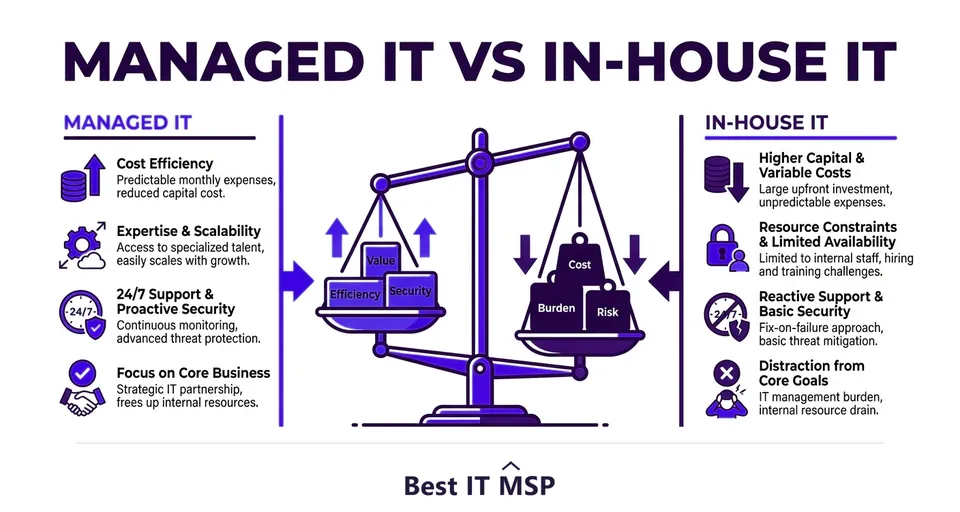
Managed IT vs in-house IT compared on cost, coverage, expertise, and scalability, plus the co-managed middle ground, to help you choose the right model.
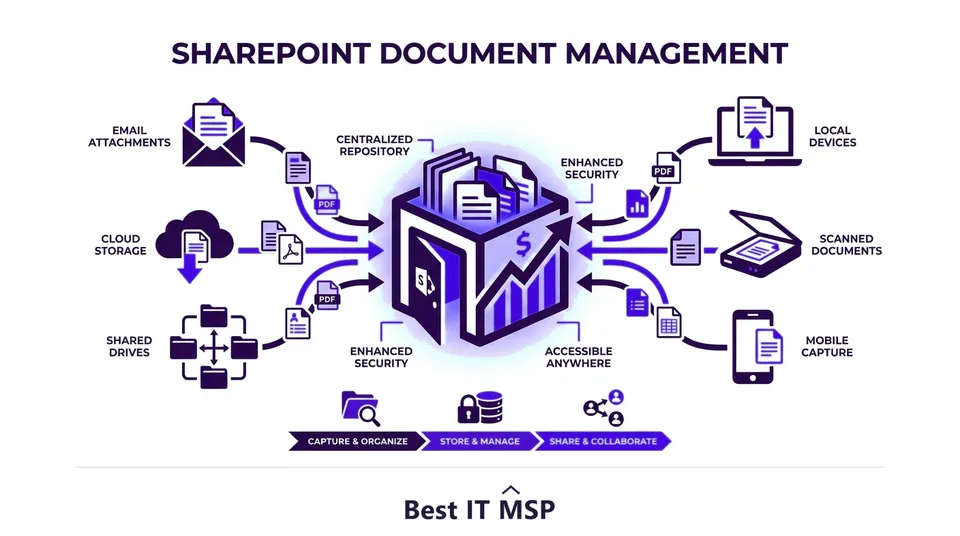
How SharePoint document management works: document libraries, metadata, version control, co-authoring, permissions, and best practices for a secure system.
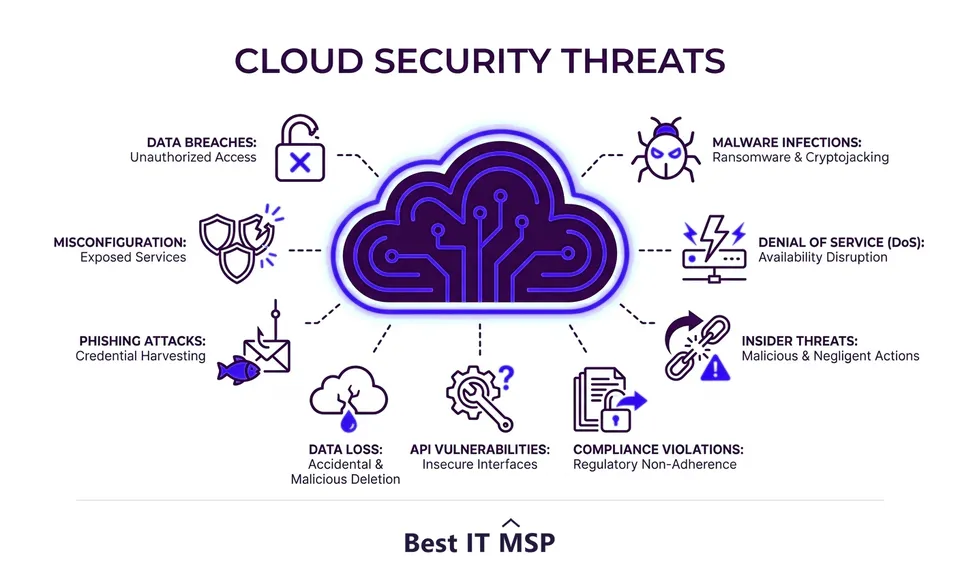
The top cloud security threats, from misconfiguration and insecure APIs to account hijacking and insider threats, why they succeed, and how to defend against them.
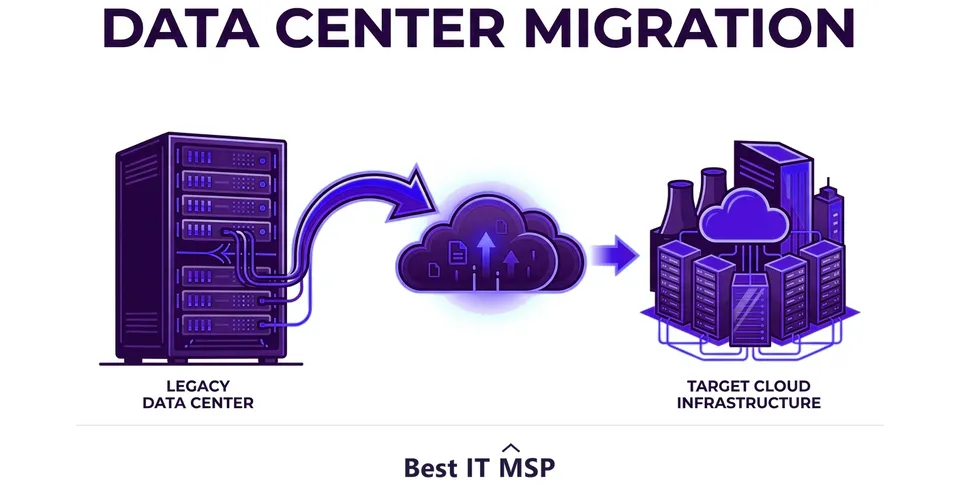
How to plan a data center migration: the types, the phases from assessment to validation, a best-practices checklist, the risks, and how to minimize downtime.
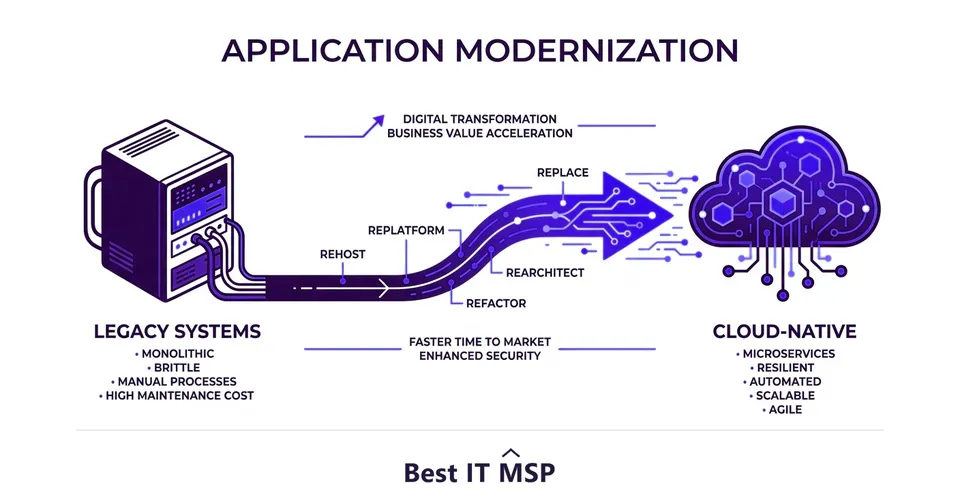
What application modernization is, the seven approaches (rehost to rebuild), how to build a strategy, the benefits, and the challenges to avoid with legacy systems.
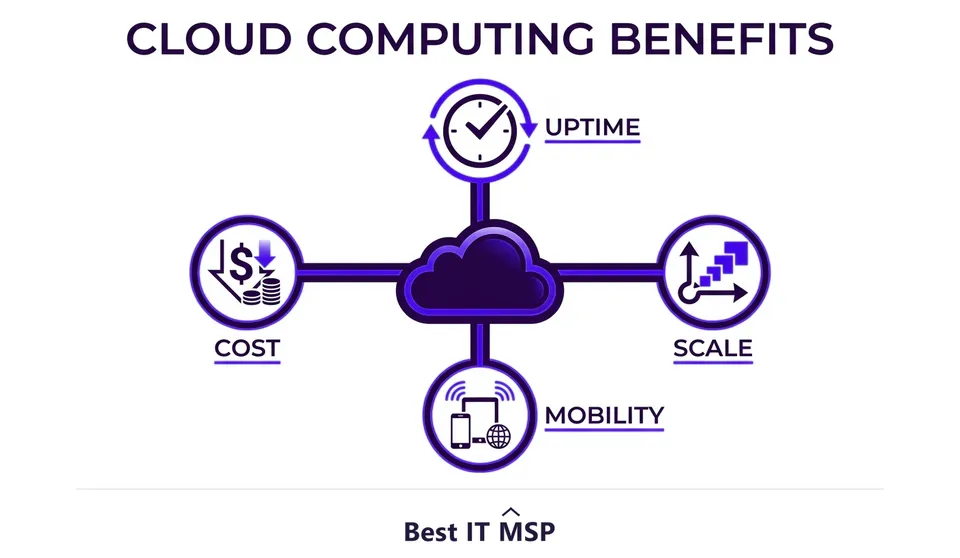
The real cloud computing benefits for business: cost savings, scalability, reliability, remote work, built-in security, disaster recovery, and managed databases.
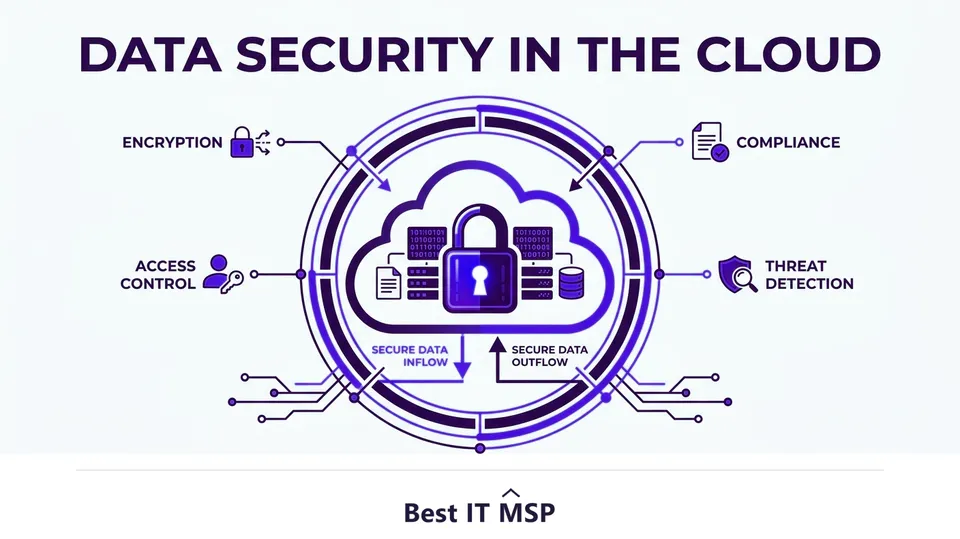
What data security in cloud computing means, the biggest risks, the core controls (encryption, IAM, classification, DLP, backup), and a best-practices checklist.
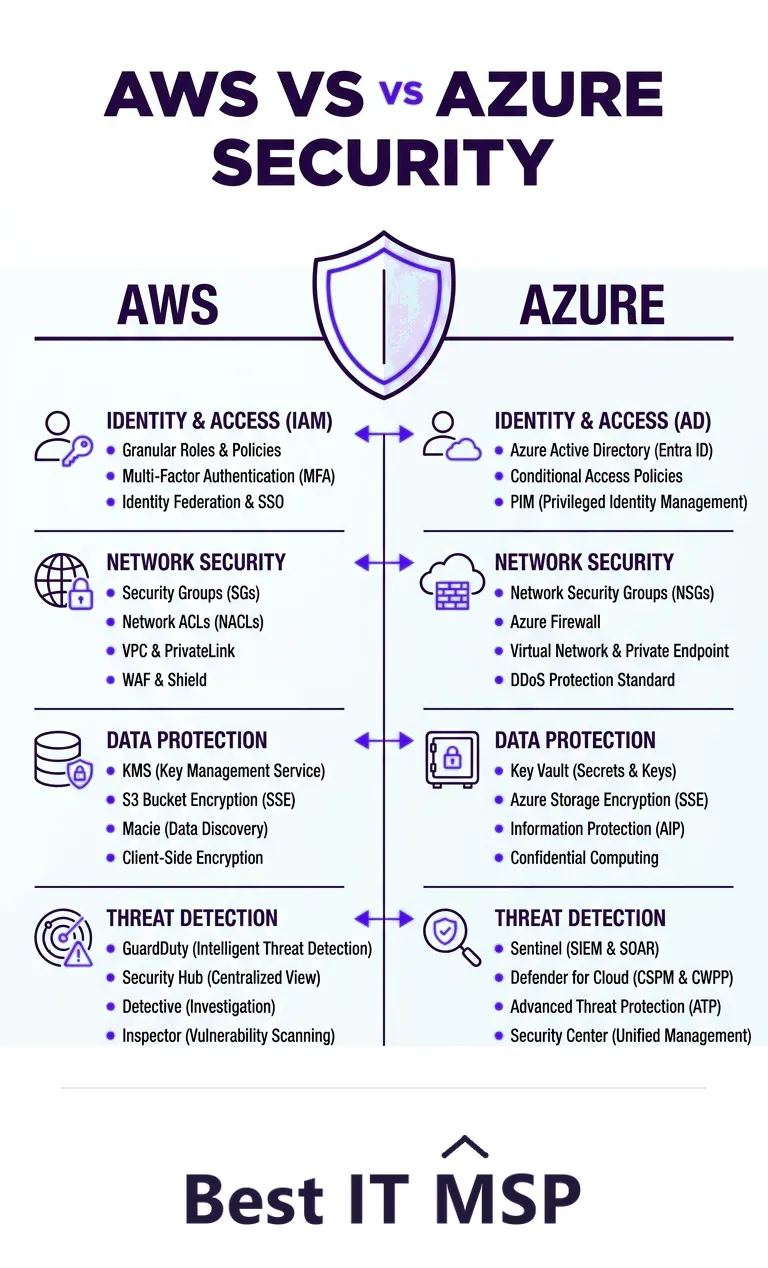
AWS security vs Azure security compared across identity, threat detection, network security, compliance, and the shared responsibility model, plus how to choose.
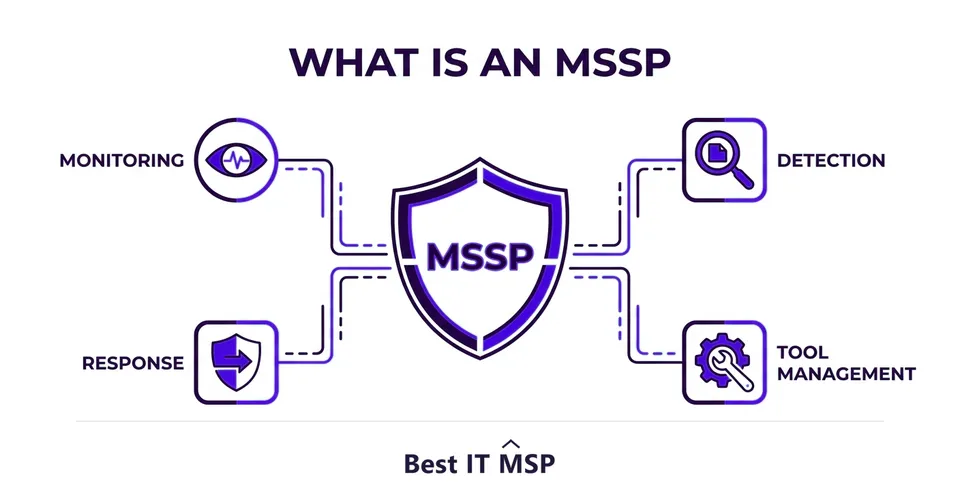
What an MSSP (Managed Security Services Provider) is, what it does, how it differs from an MSP and from MDR, who needs one, and how to choose the right provider.
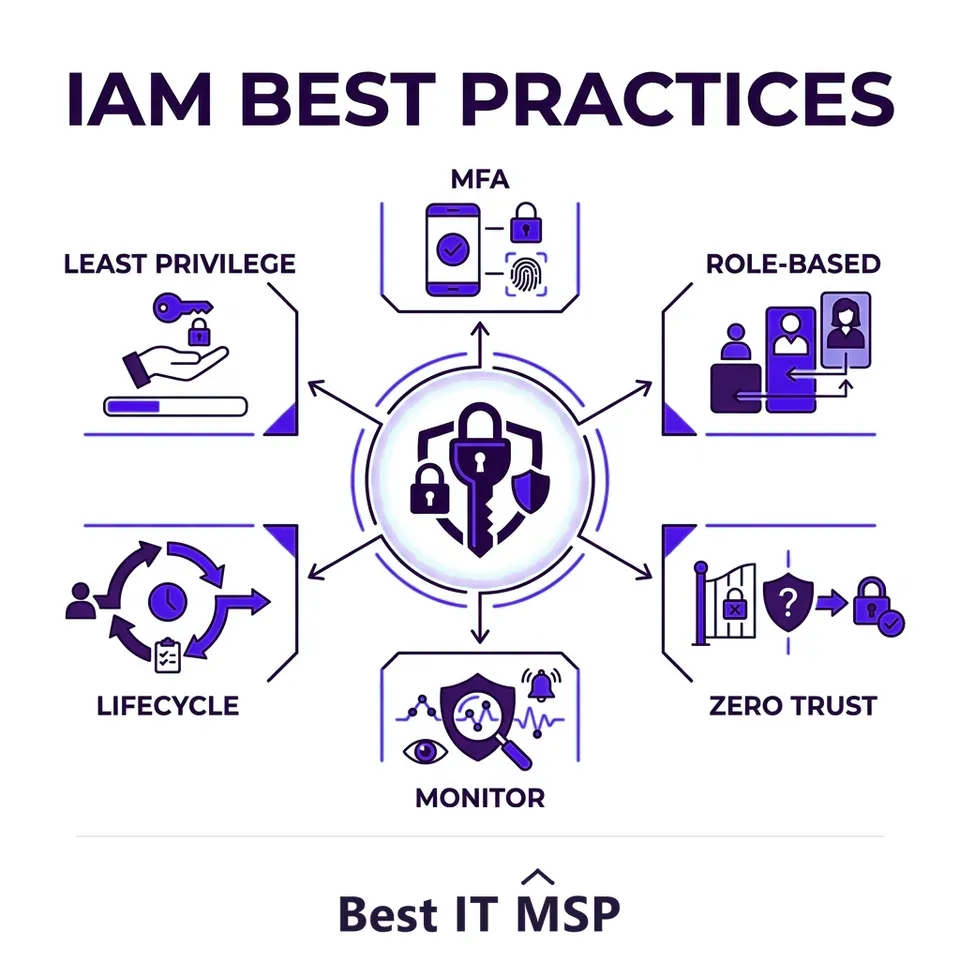
IAM best practices: enforce least privilege and MFA, use role-based access, manage the identity lifecycle of joiners and leavers, and move toward Zero Trust.
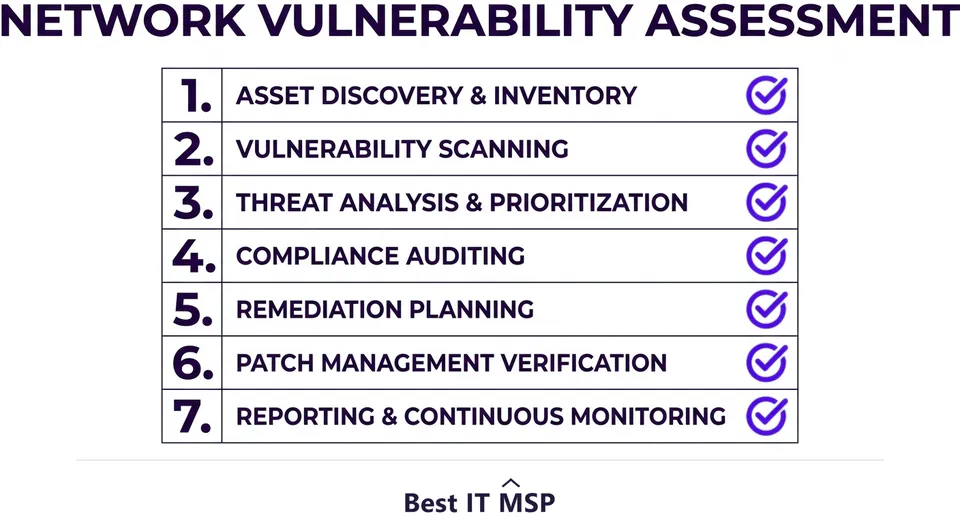
A network vulnerability assessment checklist: inventory assets, scan for weaknesses, review firewalls, patches, access, and segmentation, then prioritize and remediate.
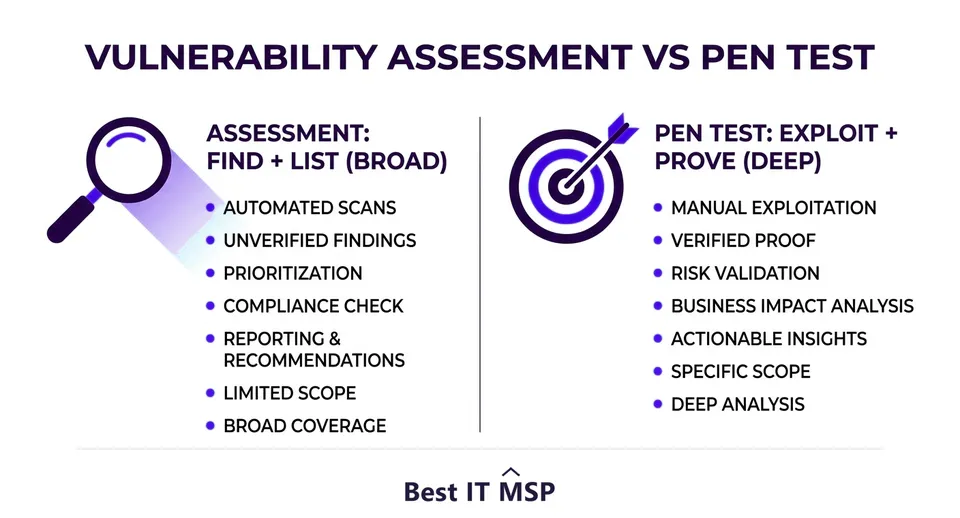
Vulnerability assessment vs penetration testing: a scan finds and lists known weaknesses broadly, while a pen test actively exploits them to prove real impact. Use both.
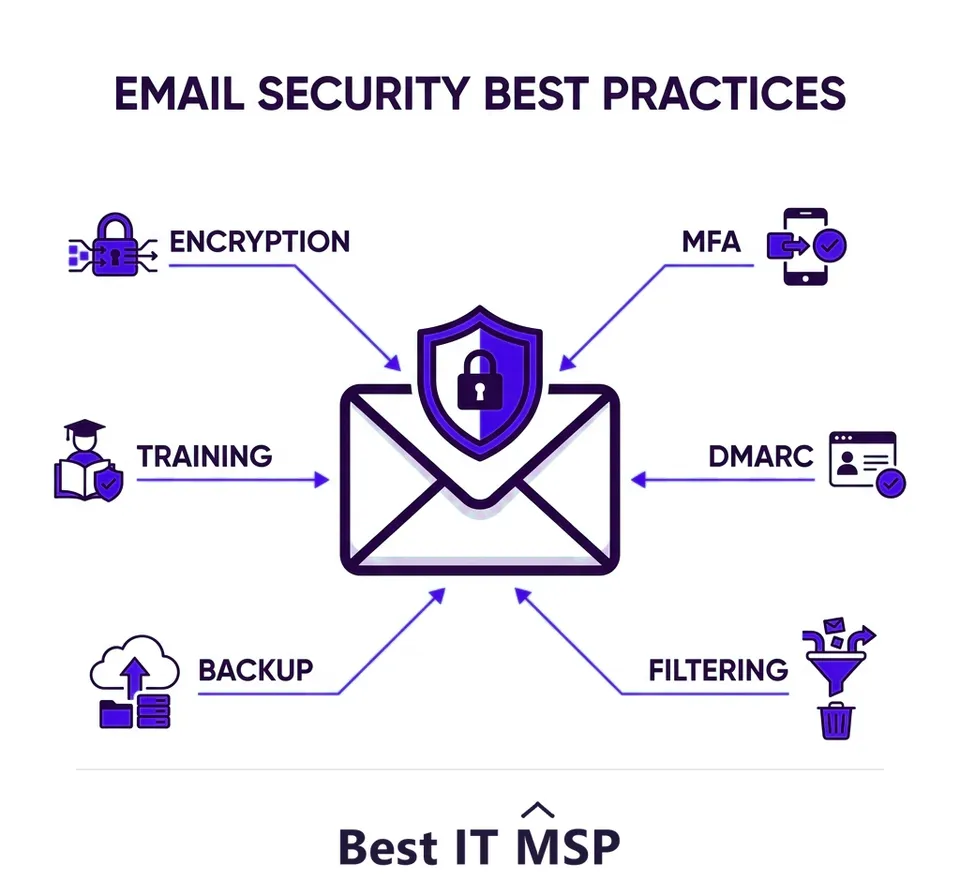
Email security best practices: enable MFA, set up SPF, DKIM, and DMARC, filter phishing, encrypt sensitive mail, train staff, and back up your data.
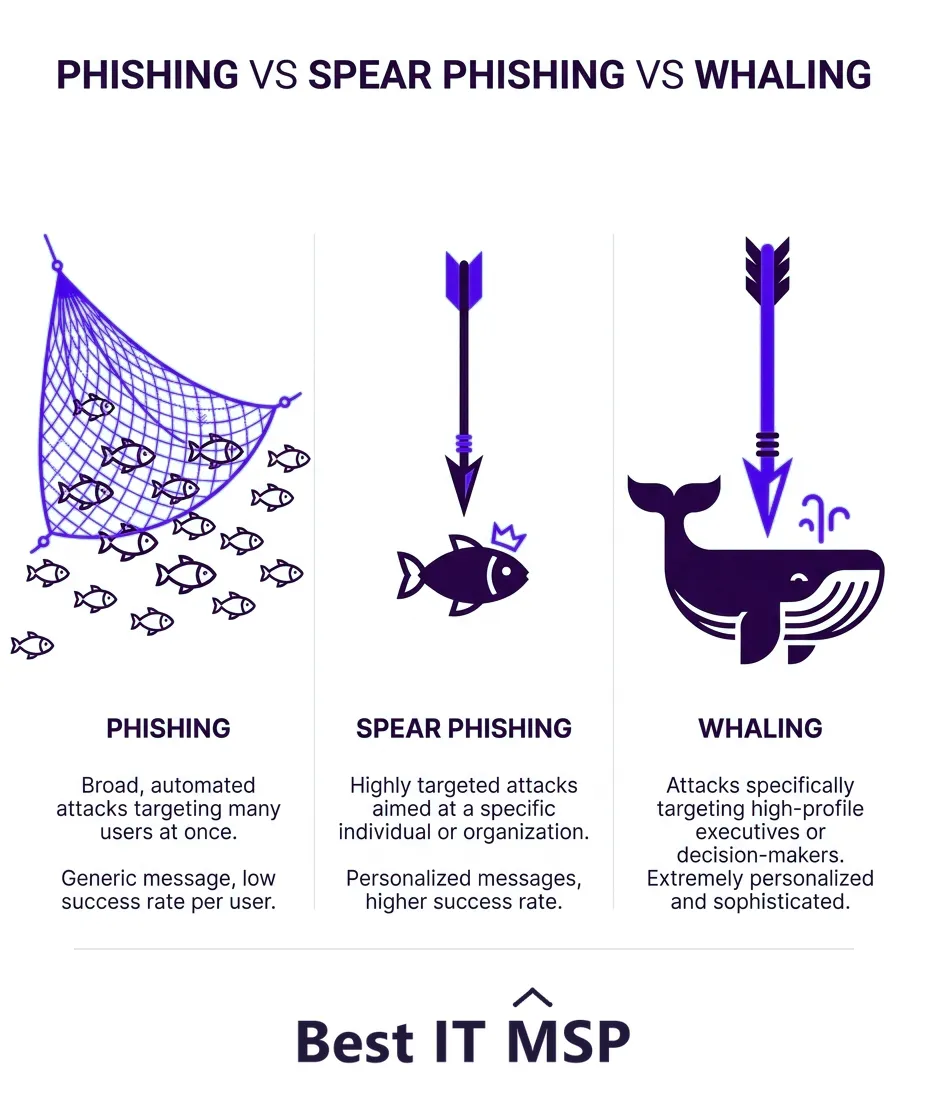
Phishing vs spear phishing vs whaling: how these email attacks differ by targeting and personalization, why they work, real examples, and how to defend your business.
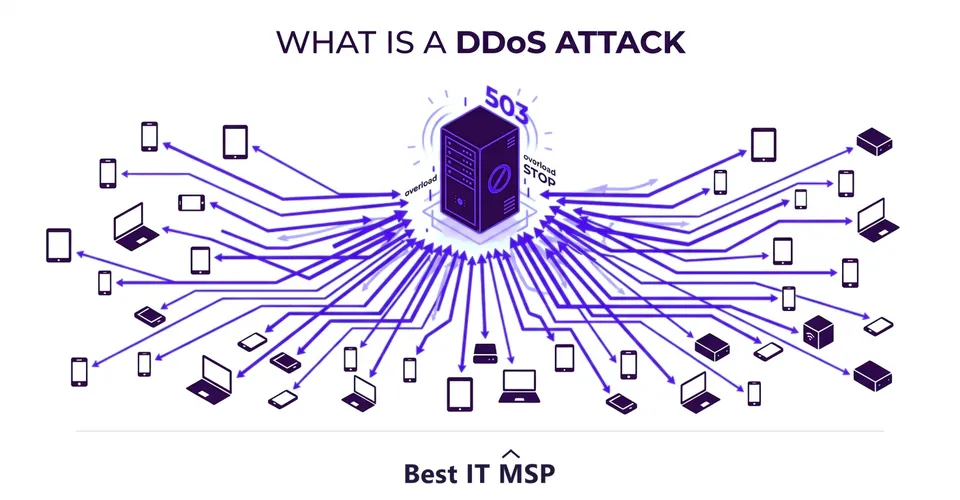
What a DDoS attack is, how it works, real examples, the main types (volumetric, protocol, application), the business impact, and how to defend against one.
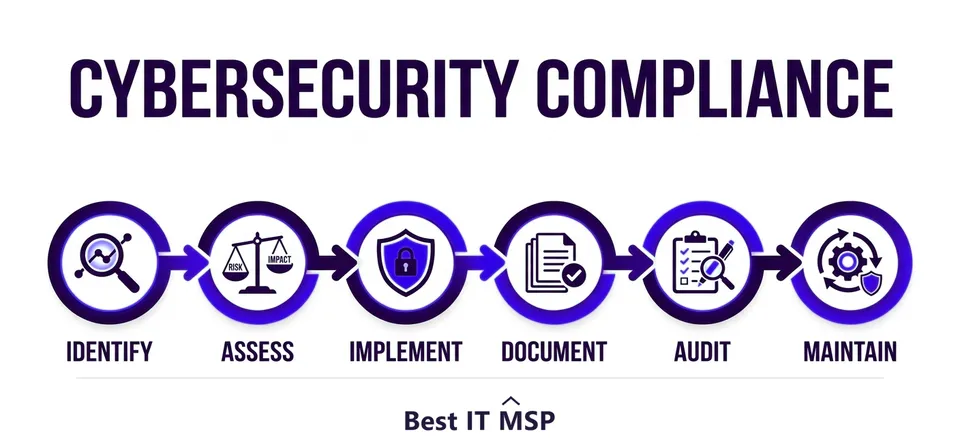
A practical cybersecurity compliance guide for SMBs: the common frameworks, the steps from gap assessment to compliance audit, and how compliance differs from security.
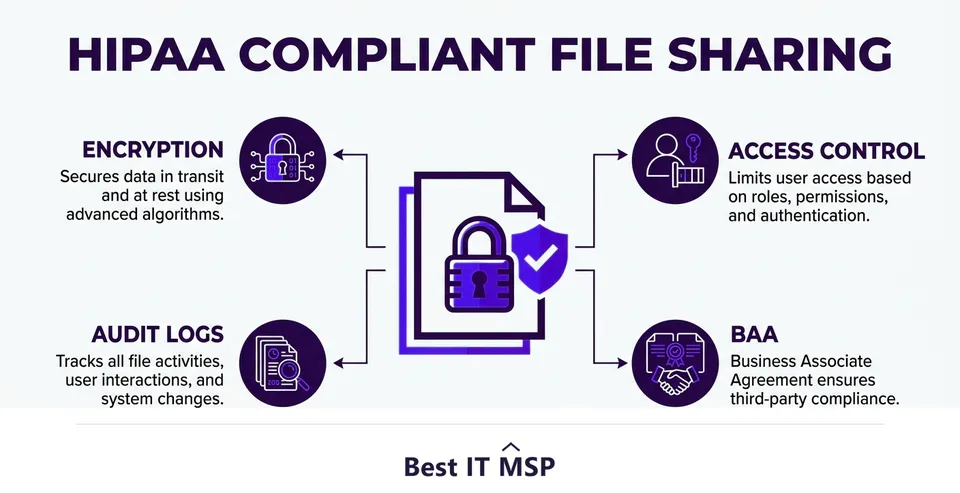
What makes file sharing HIPAA compliant: encryption, access controls, audit logs, and a signed BAA. Why email and free tools fall short, and how to share PHI safely.
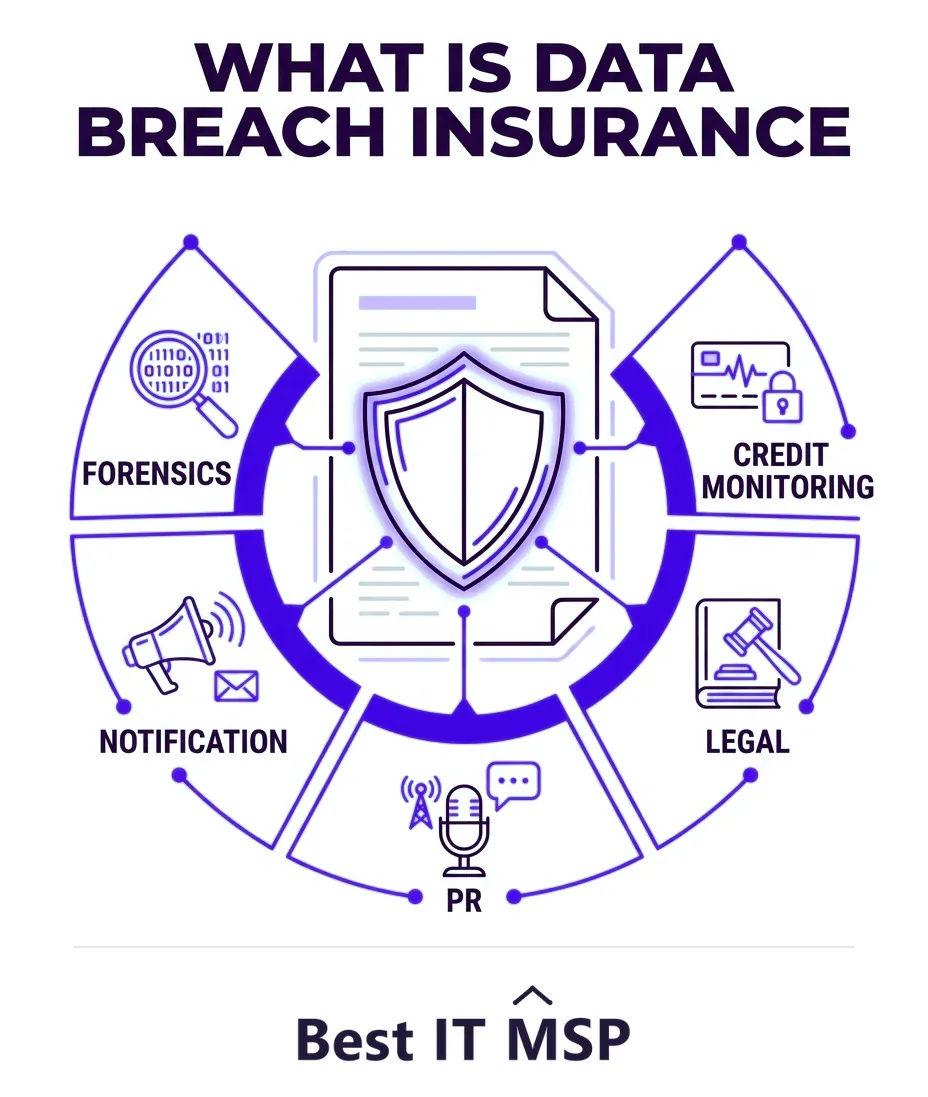
What data breach insurance is, what it covers, how it differs from broader cyber liability insurance, who needs it, what it costs, and how to qualify for a policy.
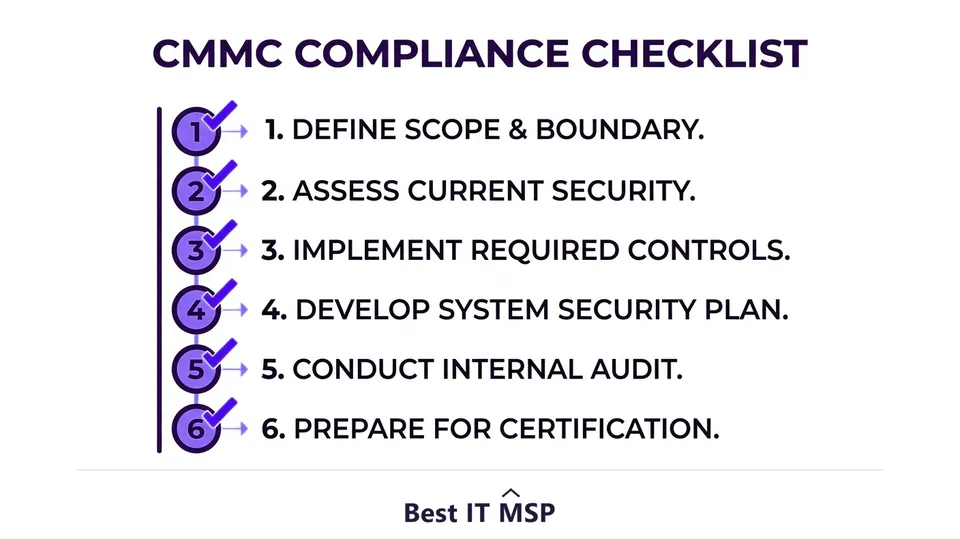
A CMMC compliance checklist for defense contractors: determine your level, scope CUI, run a gap assessment against NIST 800-171, implement controls, and get assessed.
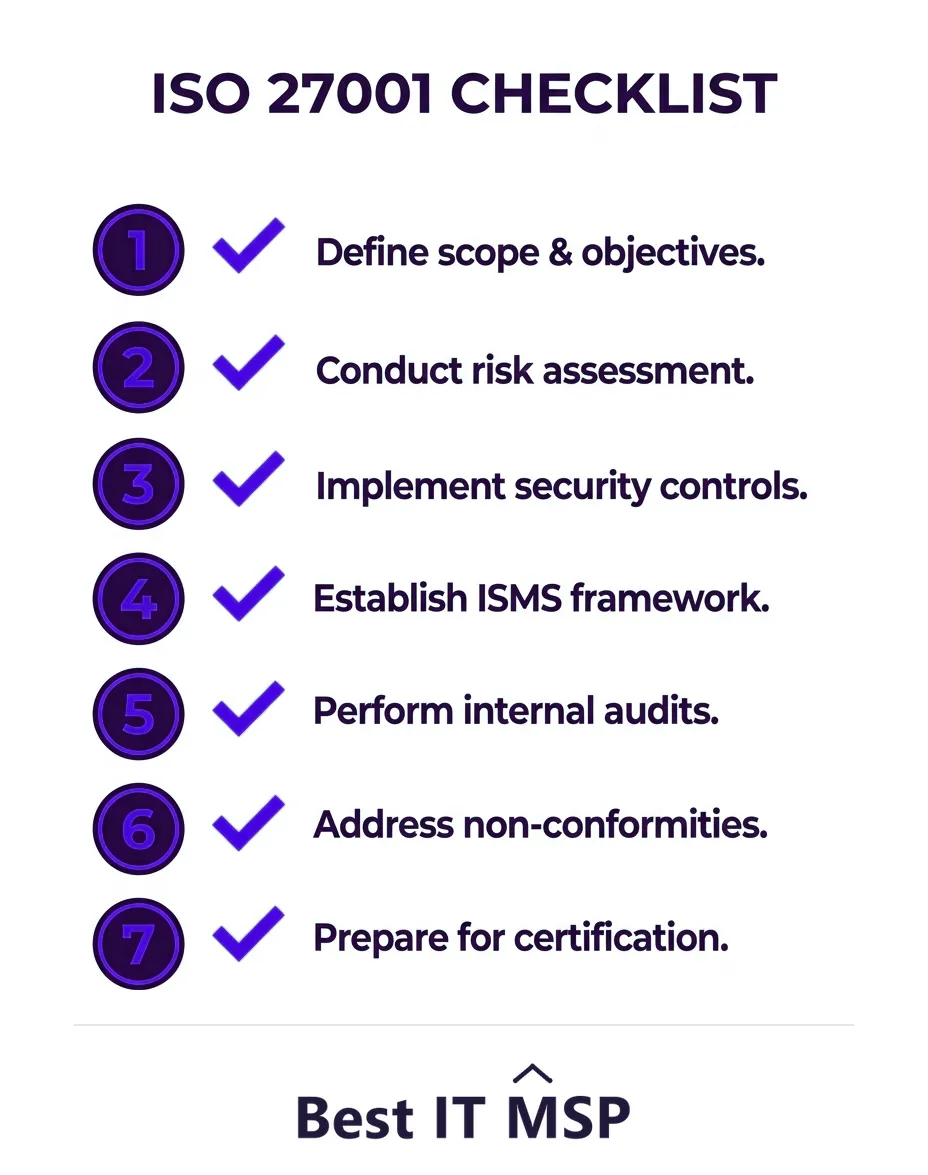
An ISO 27001 compliance checklist: define your ISMS scope, run a risk assessment, apply Annex A controls, train staff, audit internally, and pass certification.
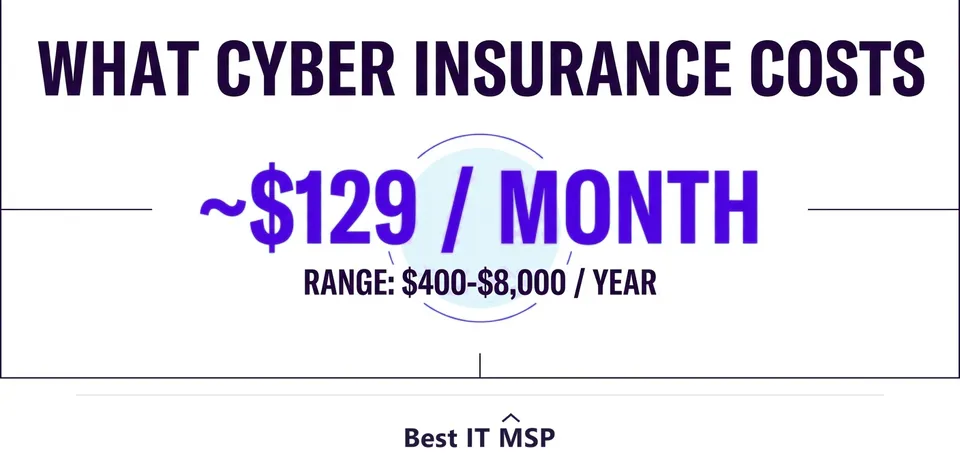
How much cyber insurance costs: small businesses average about $129 a month, with premiums driven by revenue, industry, data, coverage, and your security posture.
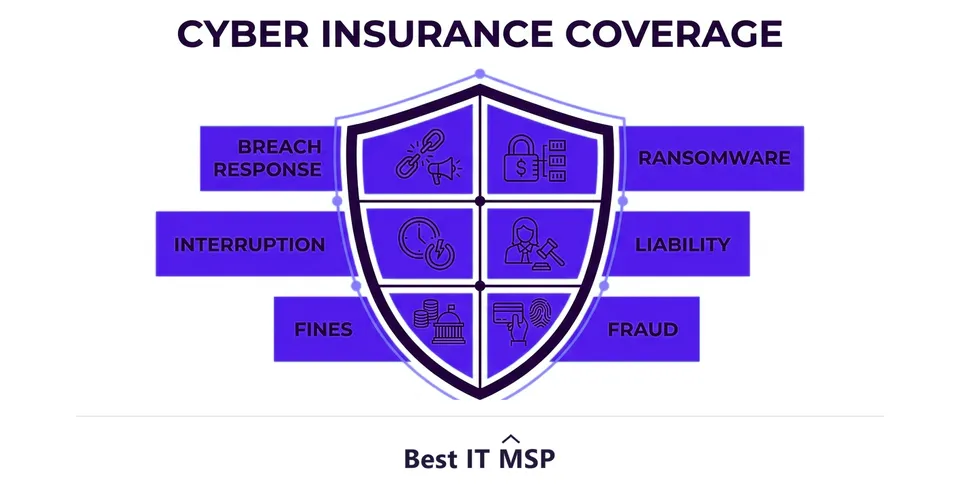
A cyber insurance coverage checklist: the protections a policy should include, the security controls insurers now require to qualify, and how to choose a policy.
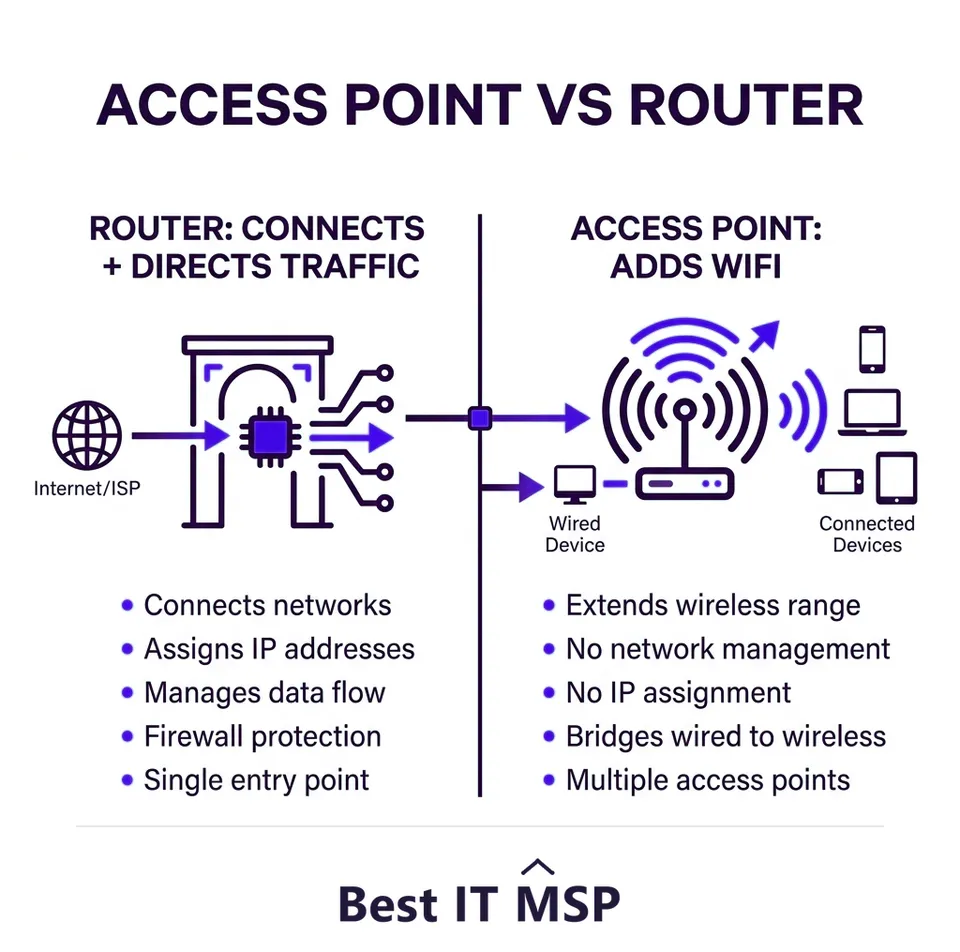
Access point vs router explained: a router connects networks and directs traffic, while an access point only adds WiFi coverage. Learn which your business needs.
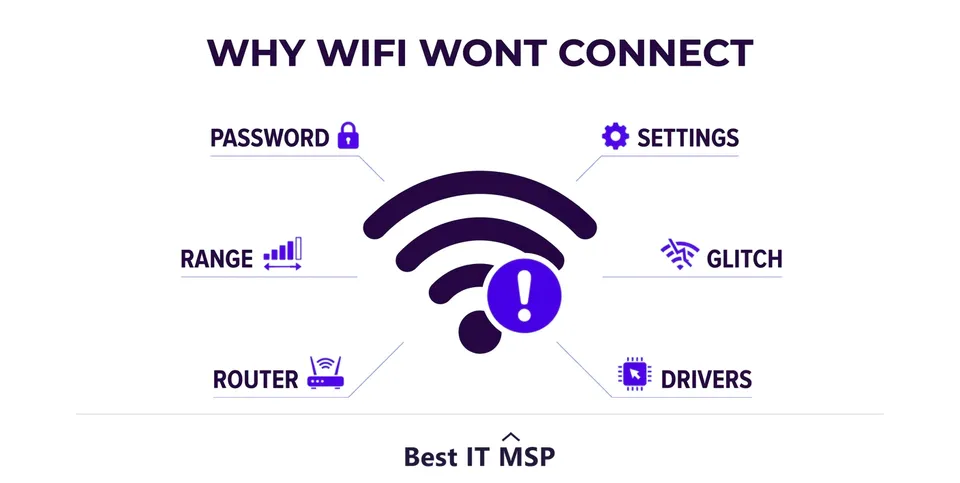
Why your WiFi will not connect, the common causes from wrong passwords to driver issues, and step-by-step fixes for both single-device and whole-network problems.
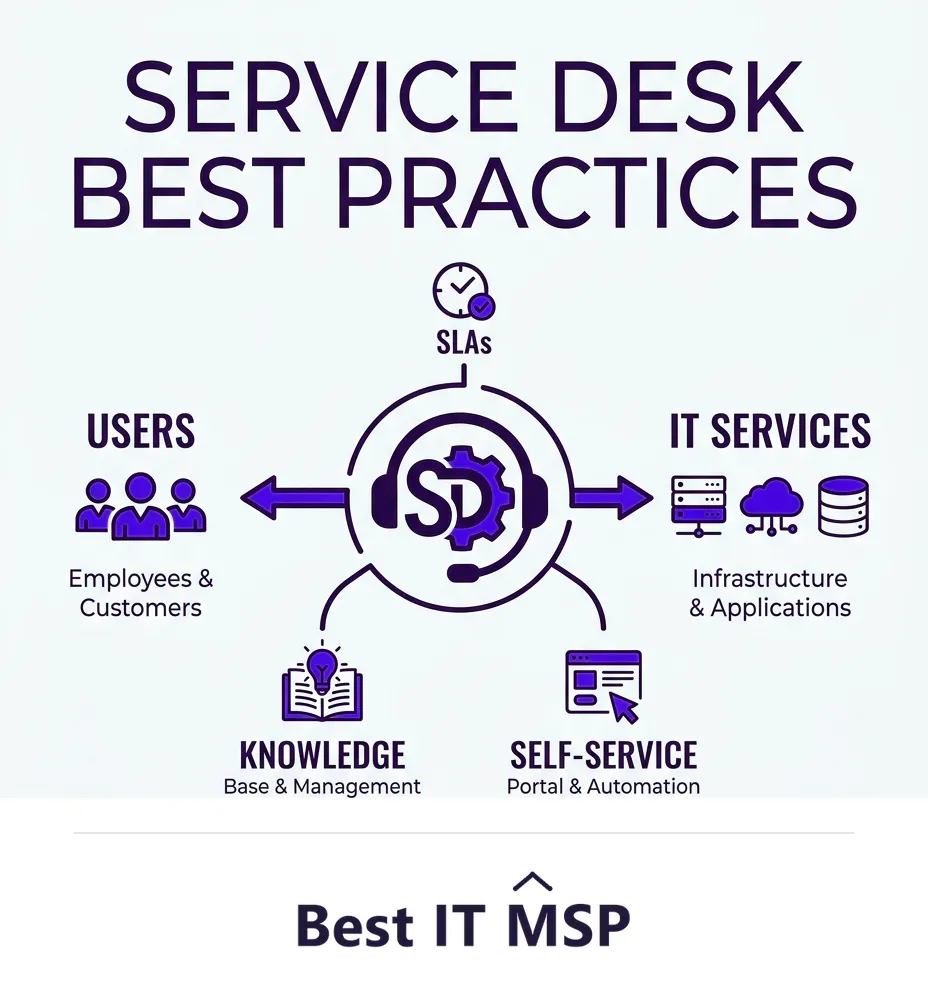
Service desk best practices: be the single point of contact, separate incidents from requests, use SLAs, a knowledge base, self-service, and continual improvement.
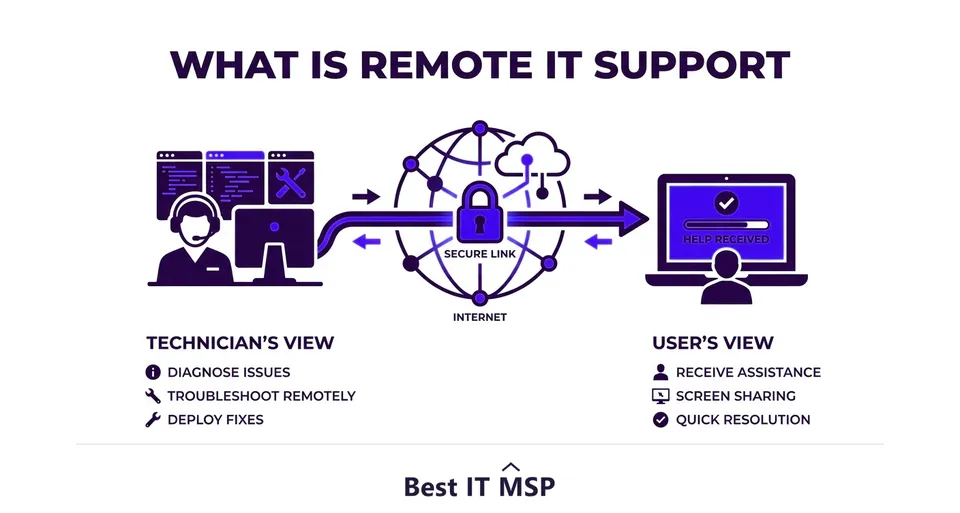
What remote IT support is, how it works, what it can and cannot fix, its benefits over onsite support, security considerations, and when onsite help is still needed.
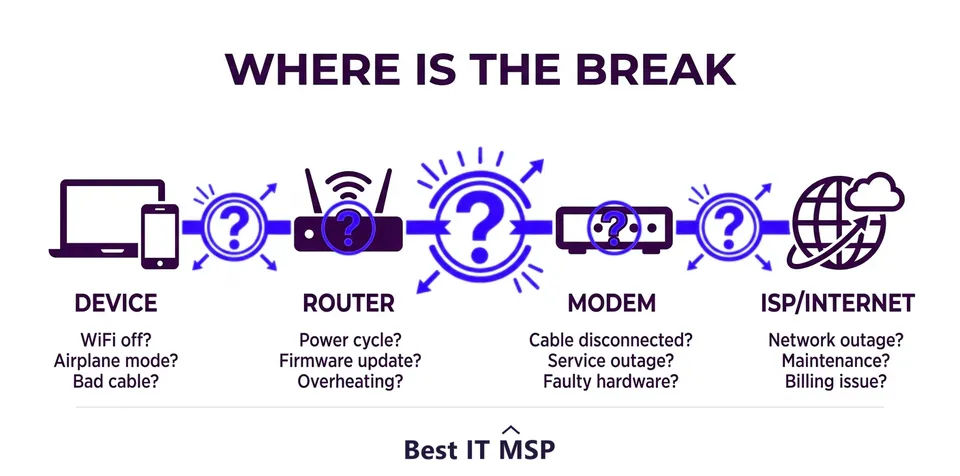
No internet connection? A step-by-step guide to diagnose where the problem is, from your device to your router to your ISP, and the fixes for each.
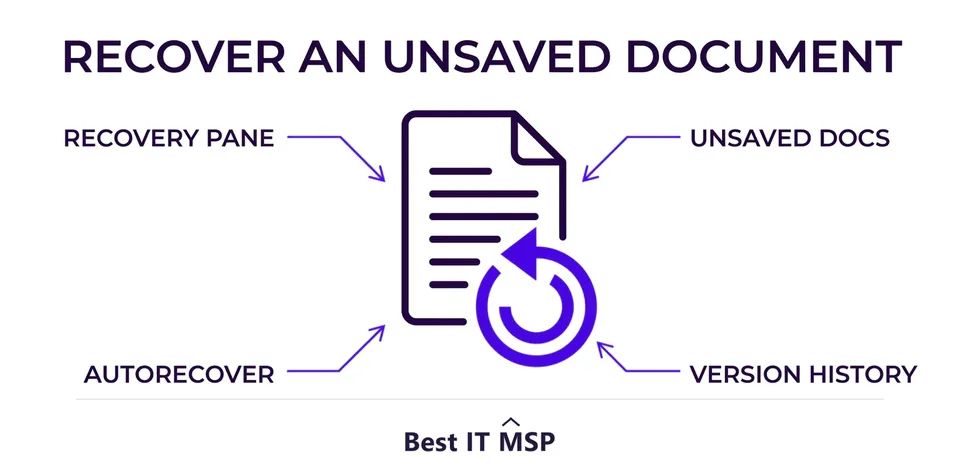
How to recover an unsaved or lost Word document: use AutoRecover, Recover Unsaved Documents, temp files, and OneDrive version history, plus how to prevent it.
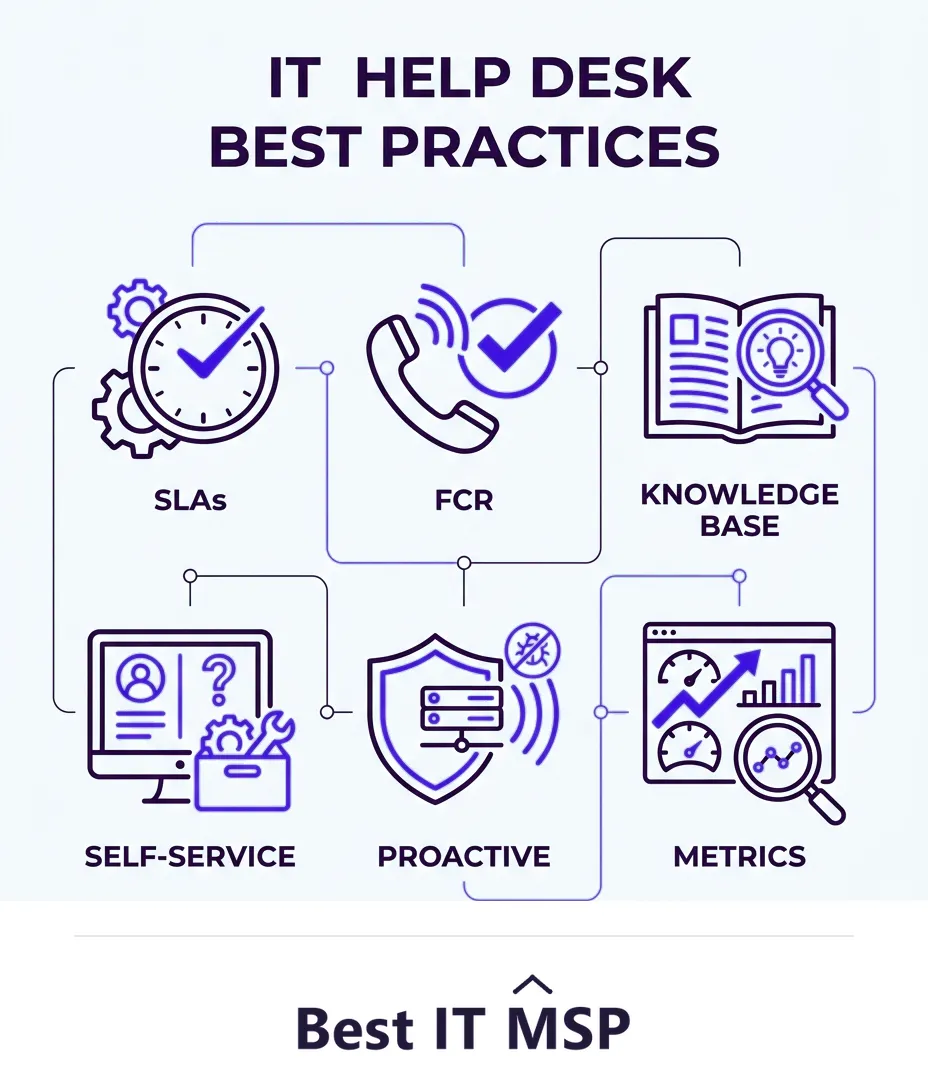
IT help desk best practices: clear SLAs, first-contact resolution, a strong knowledge base, self-service, proactive support, and the metrics that prove it works.
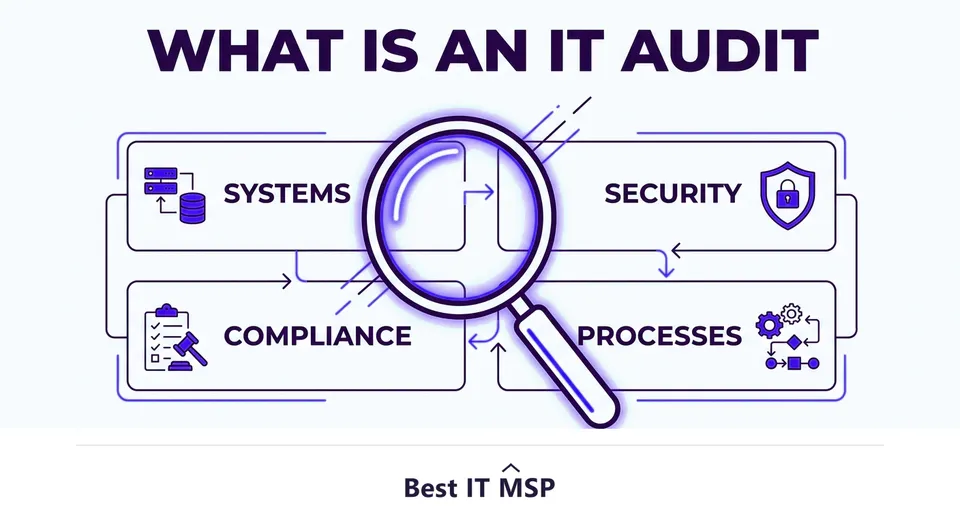
What an IT audit is, what it covers, the main types, the audit process step by step, how it differs from a risk assessment, and how often to run one.
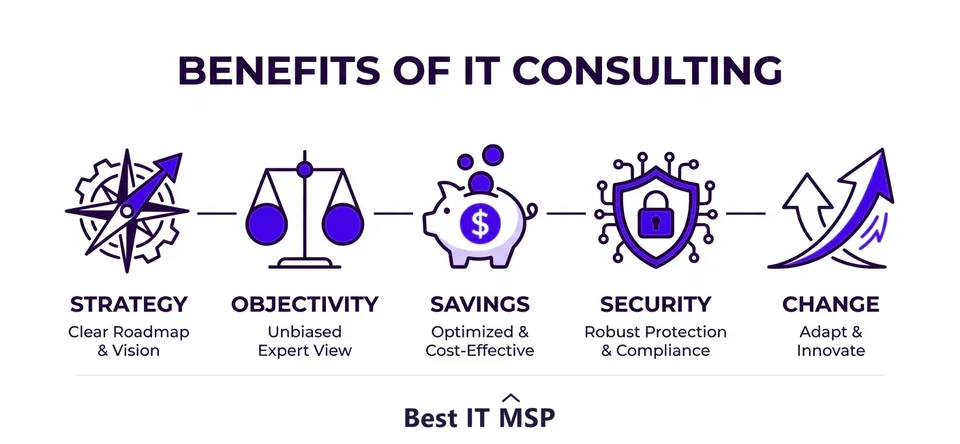
The real benefits of IT consulting: expert strategy, an objective outside view, cost savings, stronger security, faster decisions, and help navigating big changes.
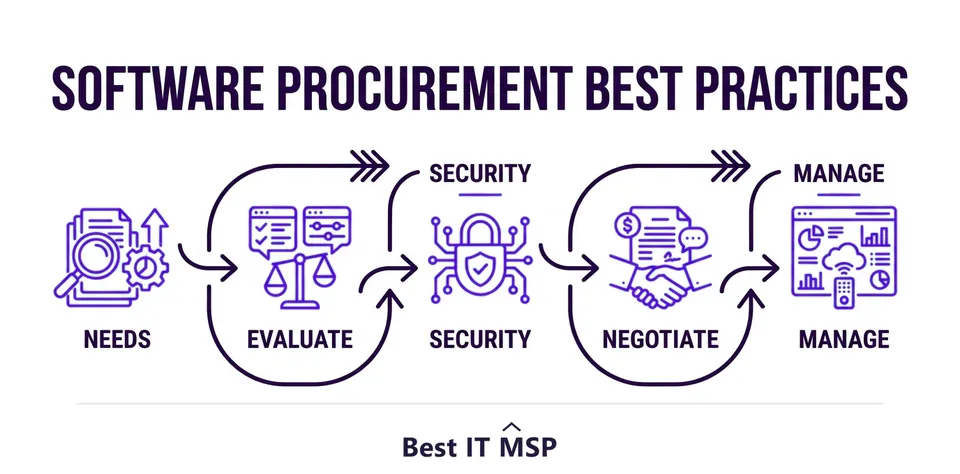
Software procurement best practices: define needs, evaluate total cost and vendor security, negotiate licensing, avoid shadow IT, and manage renewals. A practical guide.
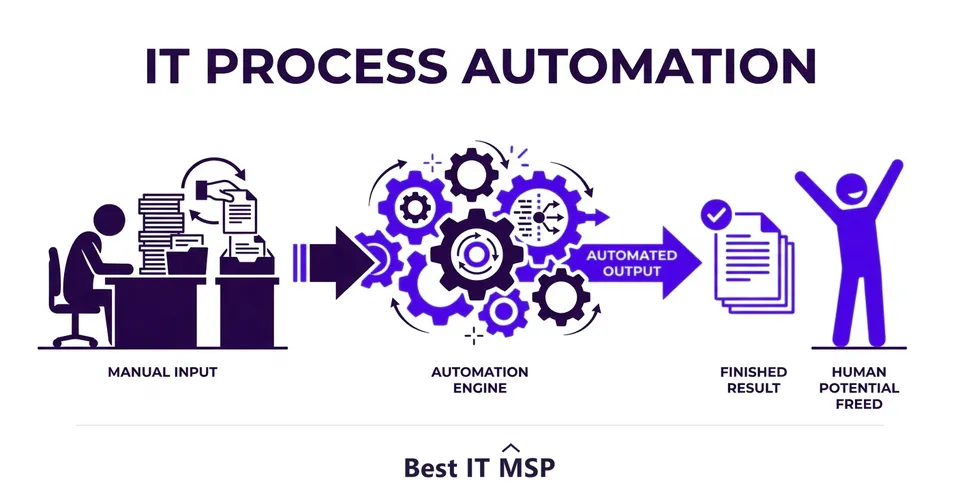
What IT process automation is, real use cases like onboarding, patching, and ticketing, the benefits for efficiency and security, and how to get started.
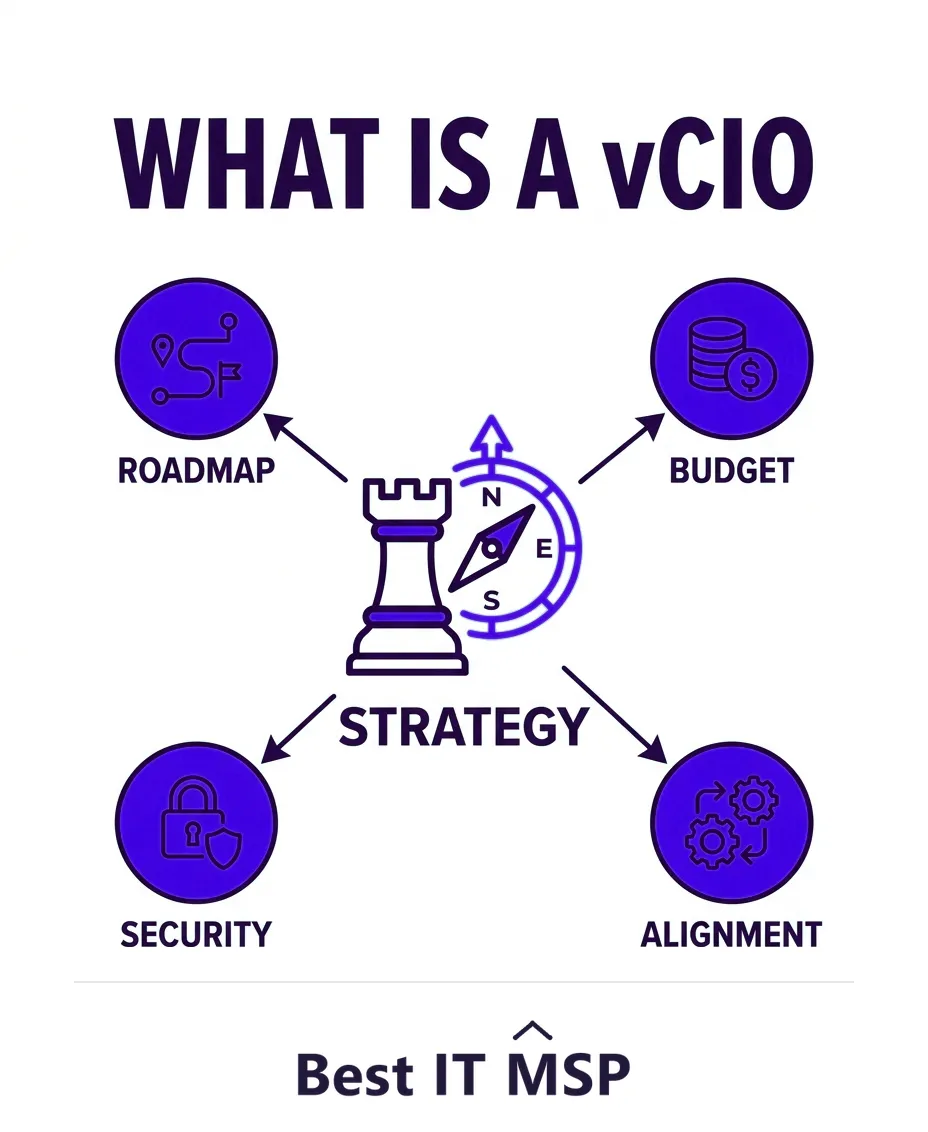
What a vCIO (virtual CIO) is, what they do, how they differ from IT support, who needs one, and how the service is delivered and priced. A plain-English guide.
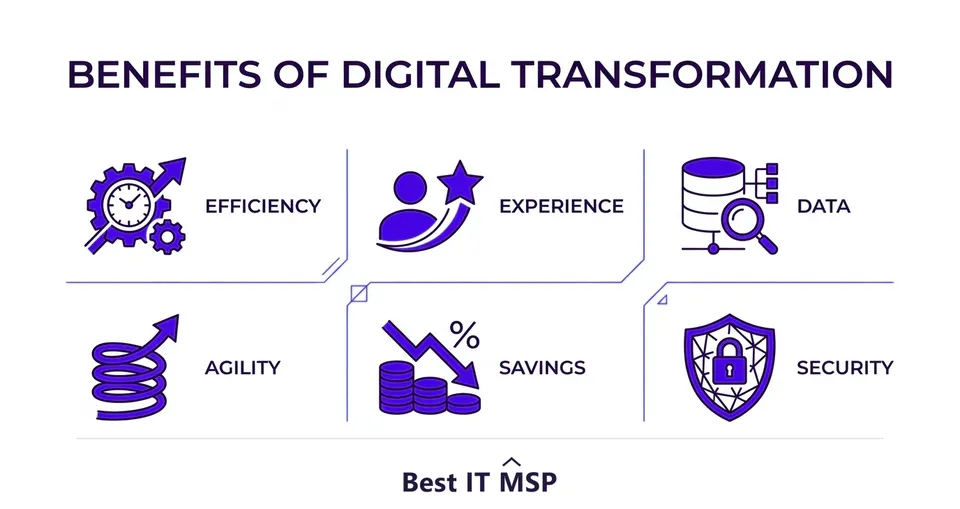
The real benefits of digital transformation: efficiency, better customer experience, data-driven decisions, agility, cost savings, and stronger security.
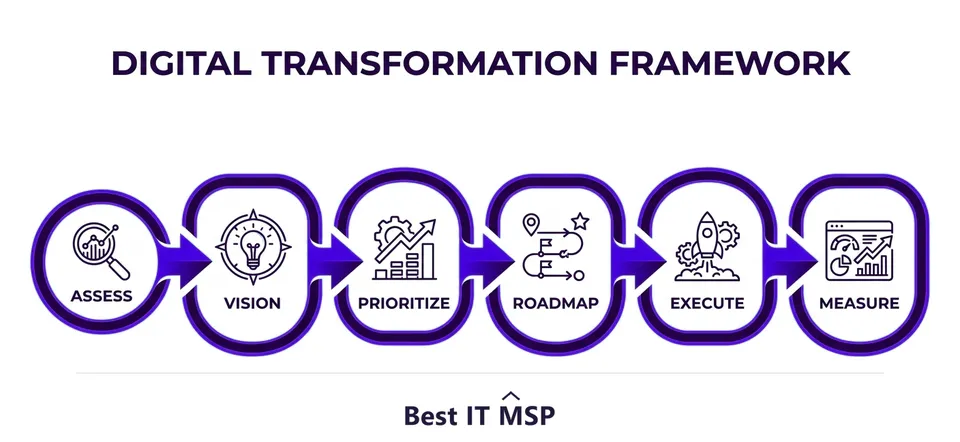
A practical digital transformation framework for small and midsize businesses: assess, set a vision, prioritize, build a roadmap, secure, execute in phases, and measure.
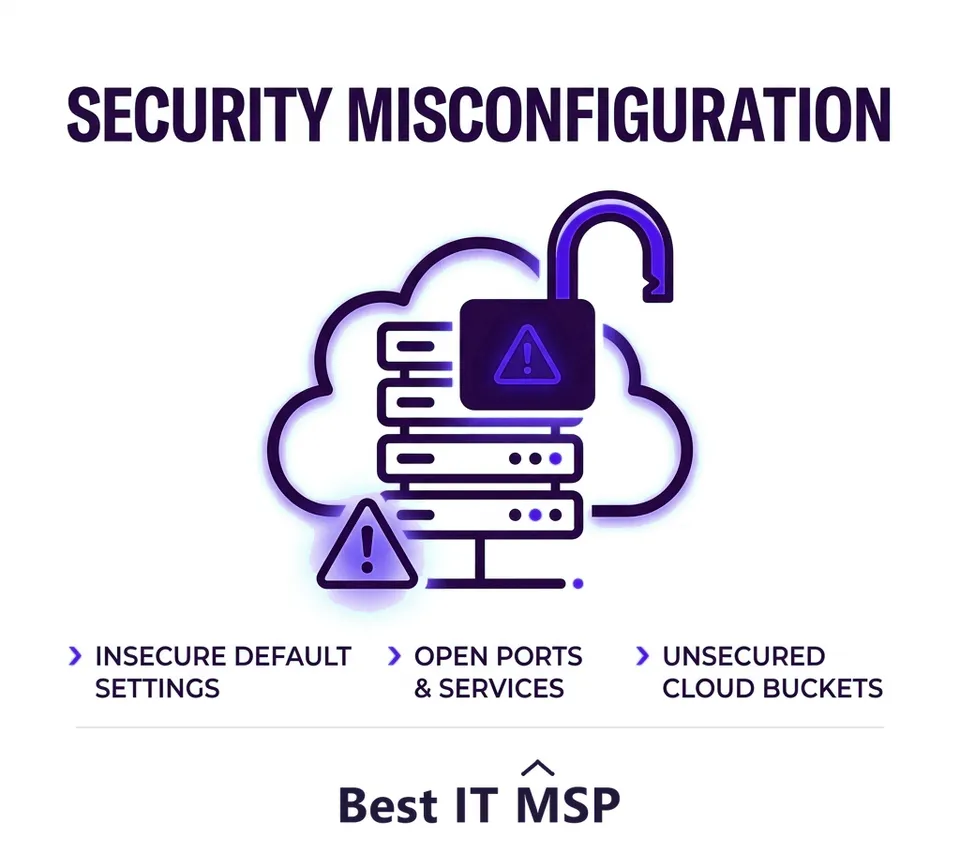
What security misconfiguration is, common examples like default settings and open cloud storage, why it causes so many breaches, and how to find and fix it.
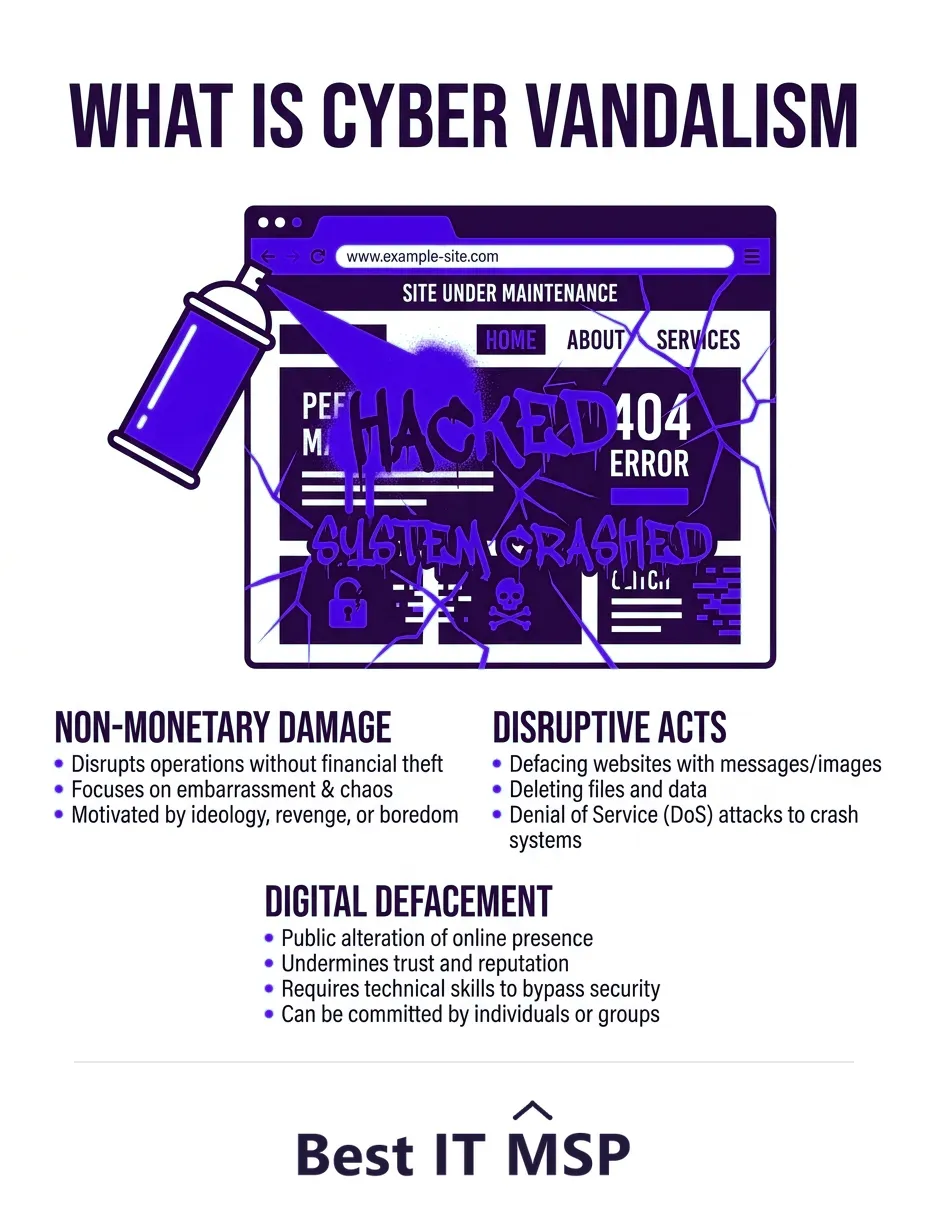
What cyber vandalism is, common types like website defacement and data destruction, how it differs from other cybercrime, the real business risks, and how to prevent it.
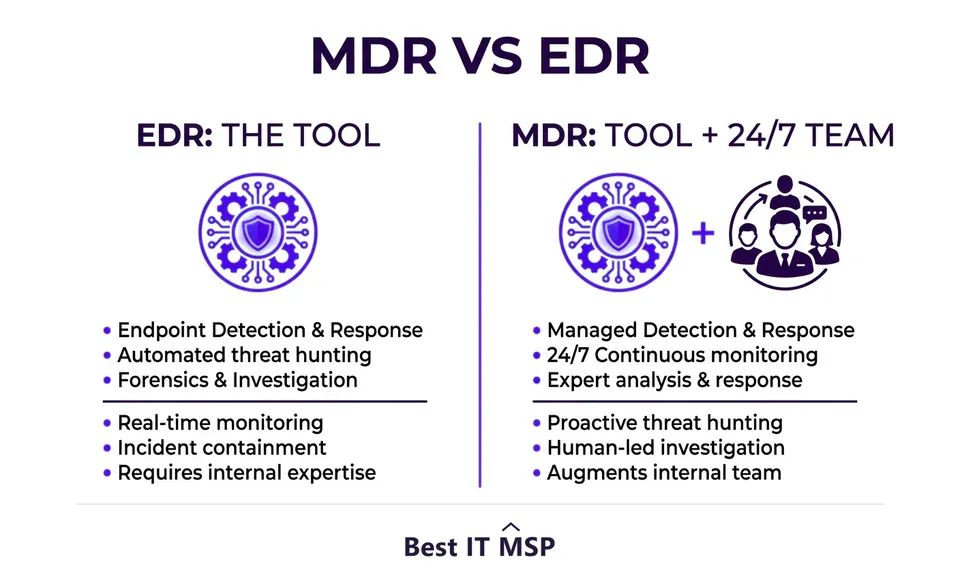
MDR vs EDR explained: EDR is the technology that detects endpoint threats; MDR adds a 24/7 human team to monitor and respond. Learn which your business needs.
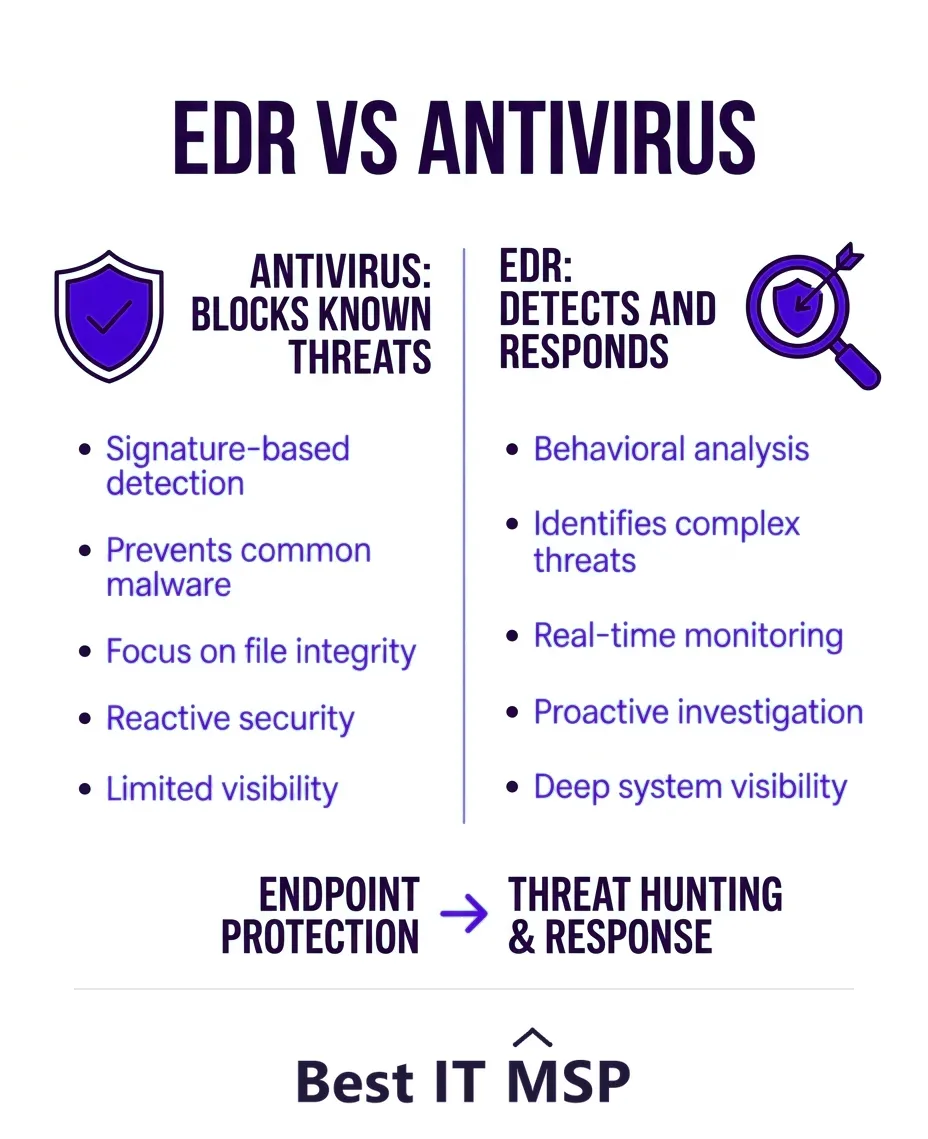
EDR vs antivirus explained: antivirus blocks known threats by signature, while EDR detects and responds to suspicious behavior. Learn which your business needs.
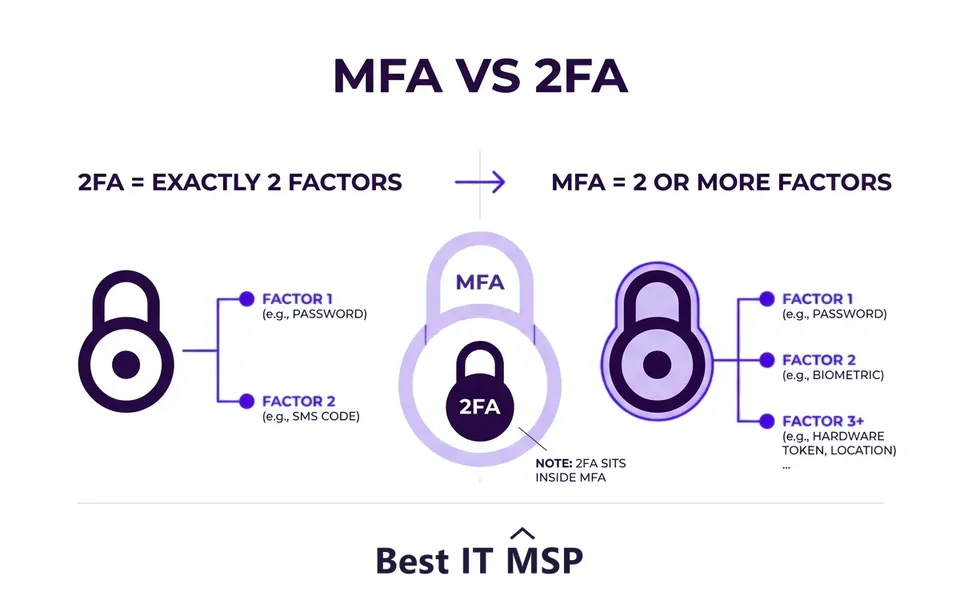
MFA vs 2FA explained: 2FA uses exactly two factors, MFA uses two or more. Learn the authentication factor types, how they differ, and which your business needs.
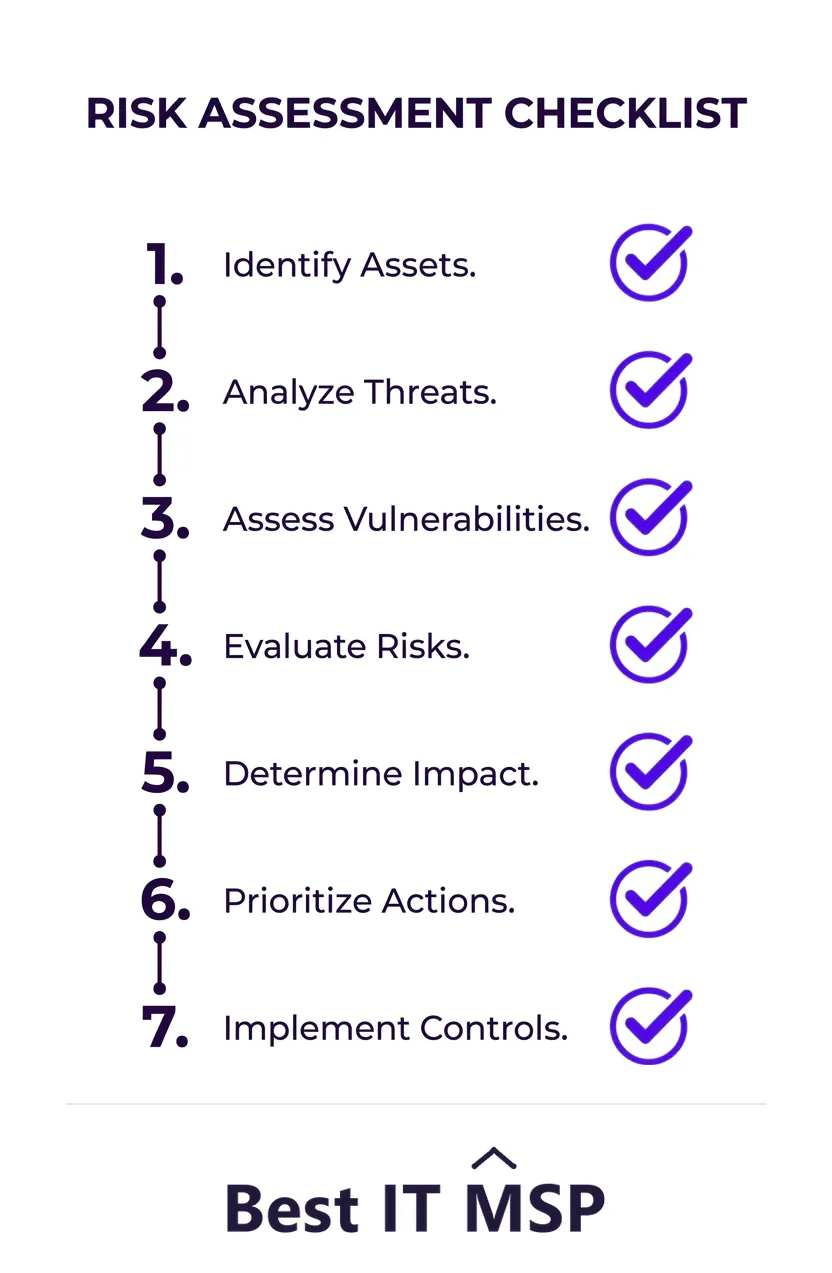
A practical cybersecurity risk assessment checklist: inventory assets, identify threats and vulnerabilities, score risk, prioritize, apply controls, and review.
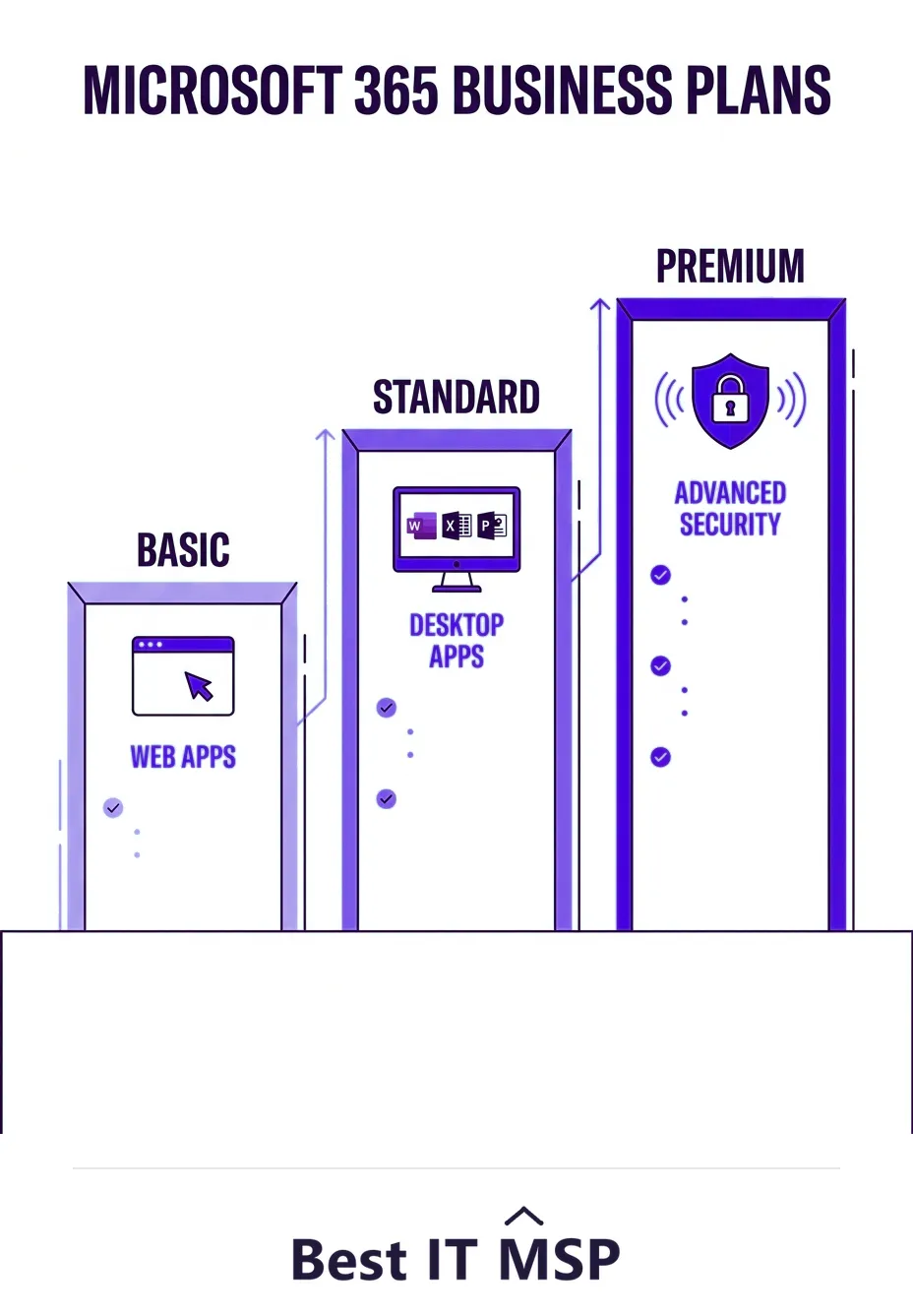
Microsoft 365 Business Basic vs Standard vs Premium compared: what each plan includes, who each fits, the security differences, and how to choose.
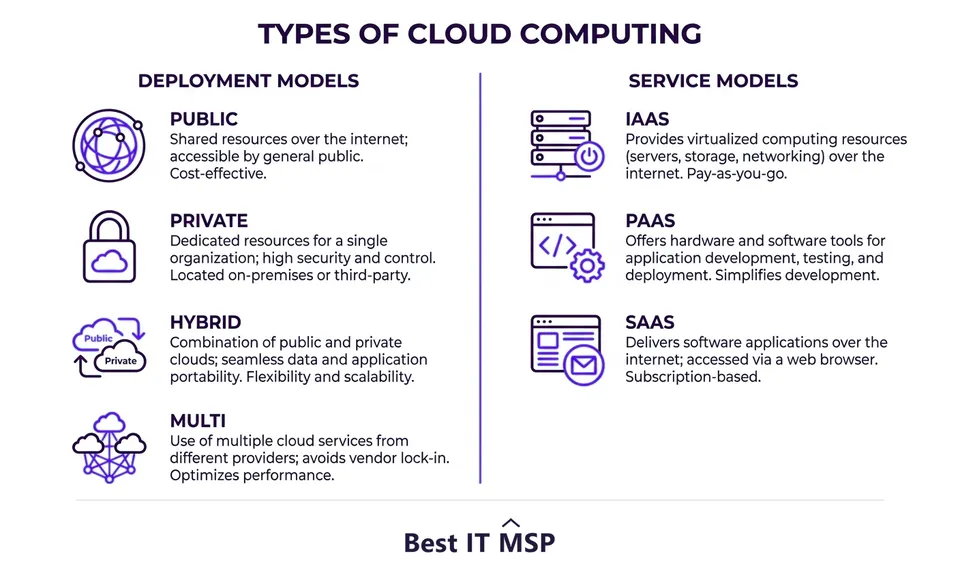
The types of cloud computing explained: deployment models (public, private, hybrid, multi-cloud) and service models (IaaS, PaaS, SaaS), with clear examples.
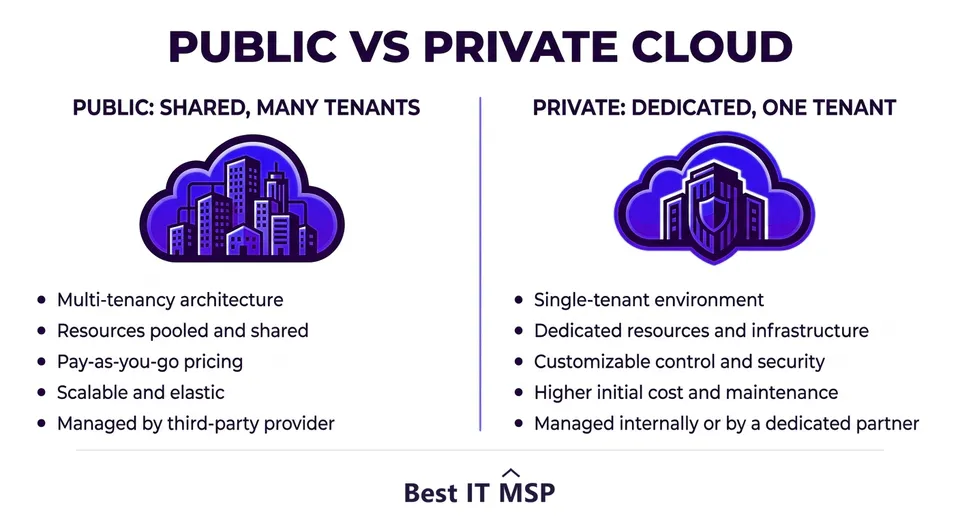
What a private cloud is, how public and private cloud differ on cost, control, scalability, and security, what hybrid cloud is, and how to choose the right model.
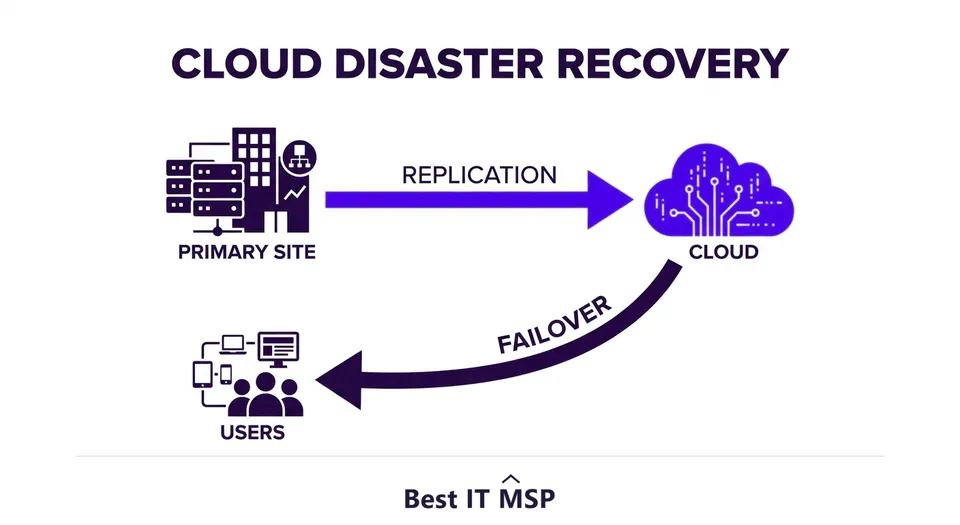
What cloud disaster recovery is, how it works, RTO and RPO explained, the benefits over traditional DR, and how to build a plan that actually restores your business.
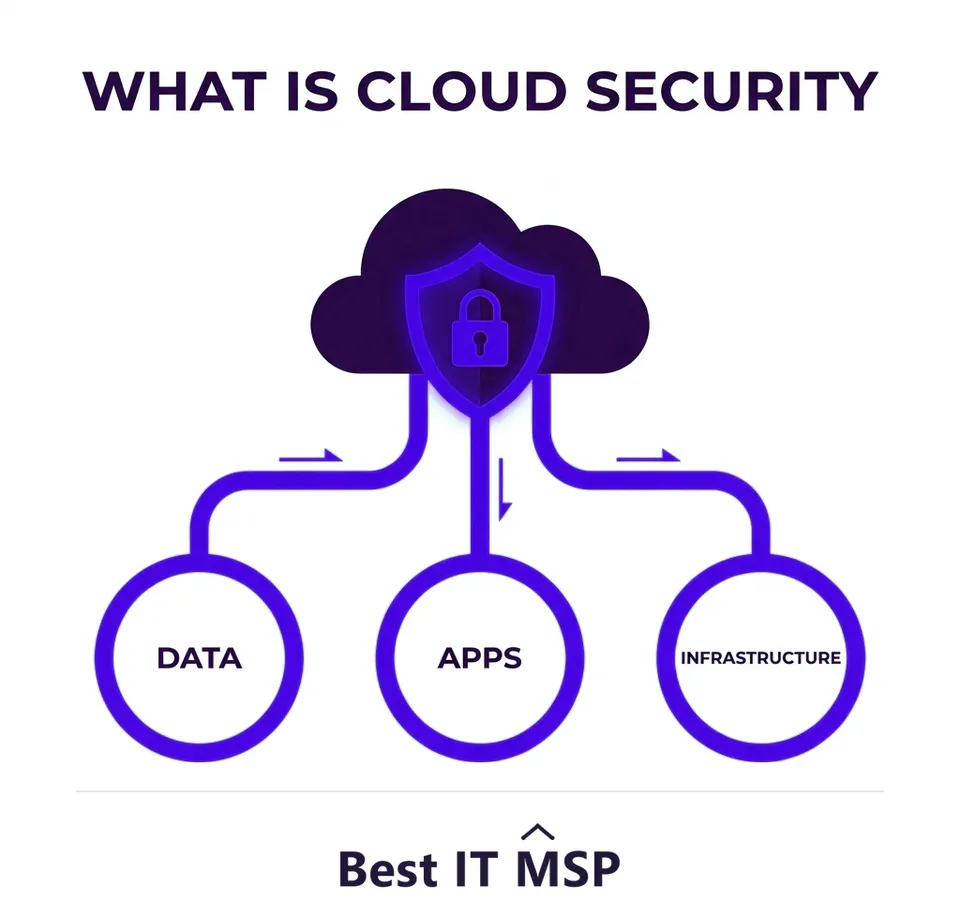
What cloud security is, the shared responsibility model, the biggest threats and controls, and best practices to protect data and apps in the cloud.
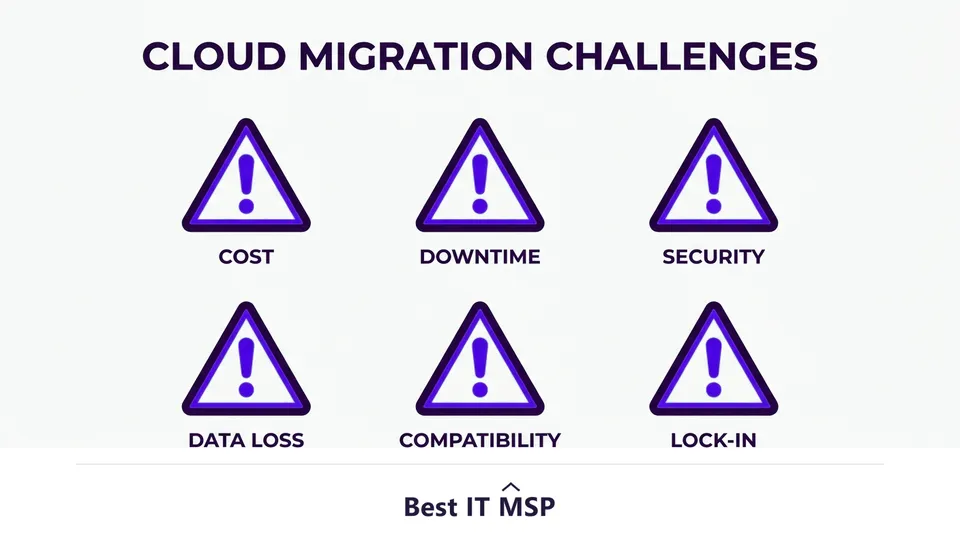
The most common cloud migration challenges, from surprise costs and downtime to security, data loss, and app compatibility, and practical ways to avoid each.
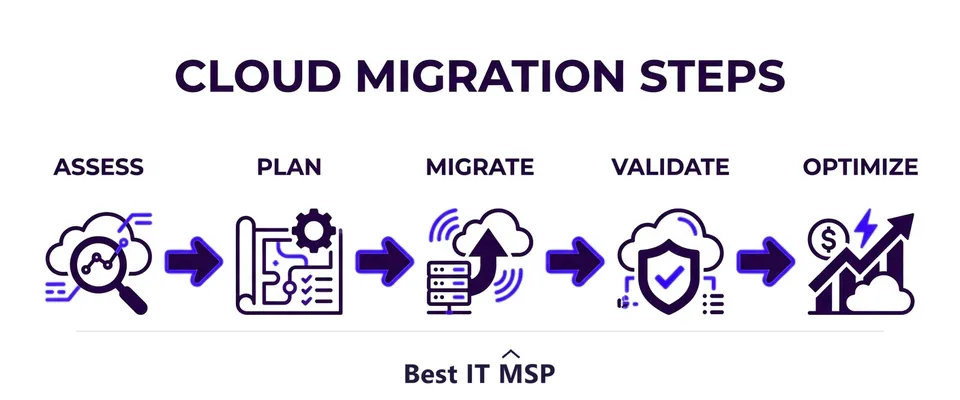
The cloud migration steps explained: assess, plan, choose a strategy and provider, migrate in waves, validate, and optimize. A practical guide for businesses.
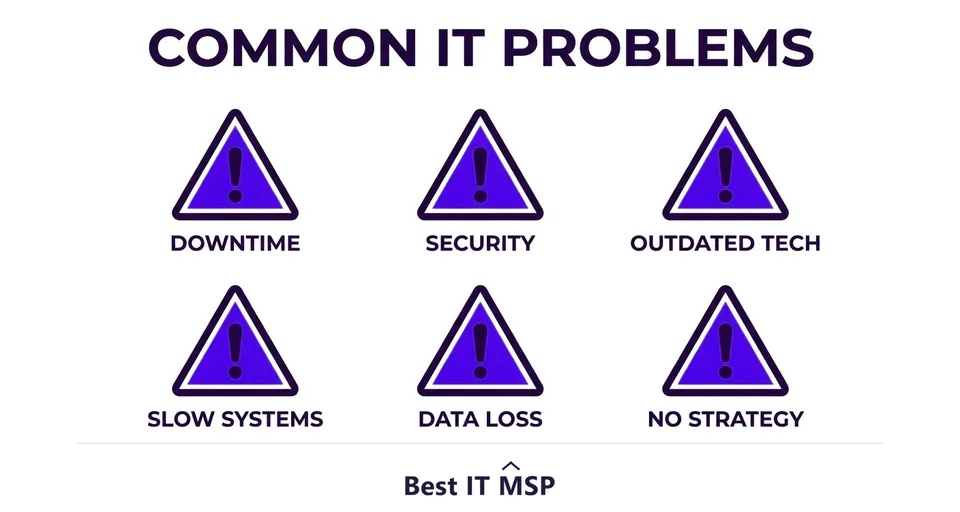
The most common business IT problems, from downtime and security threats to outdated tech, slow systems, data loss, and no IT strategy, and how to fix each.
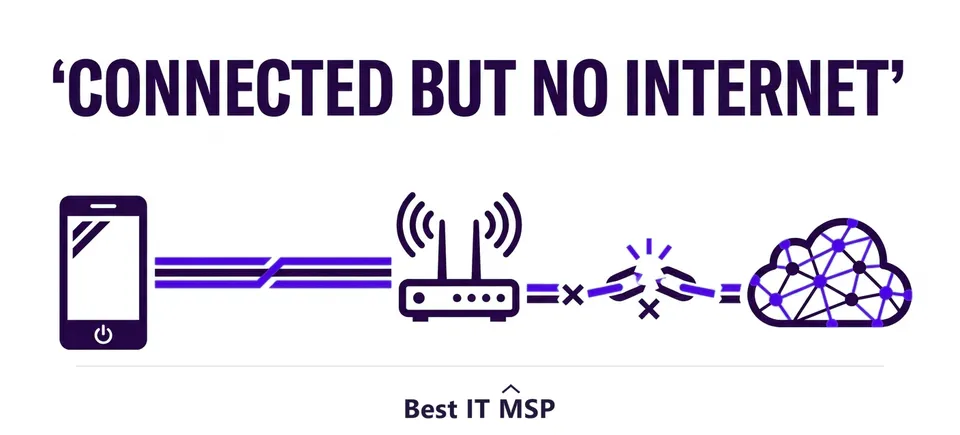
WiFi connected but no internet? Here is what causes it and how to fix it, step by step, from restarting your router to renewing your IP and DNS settings.
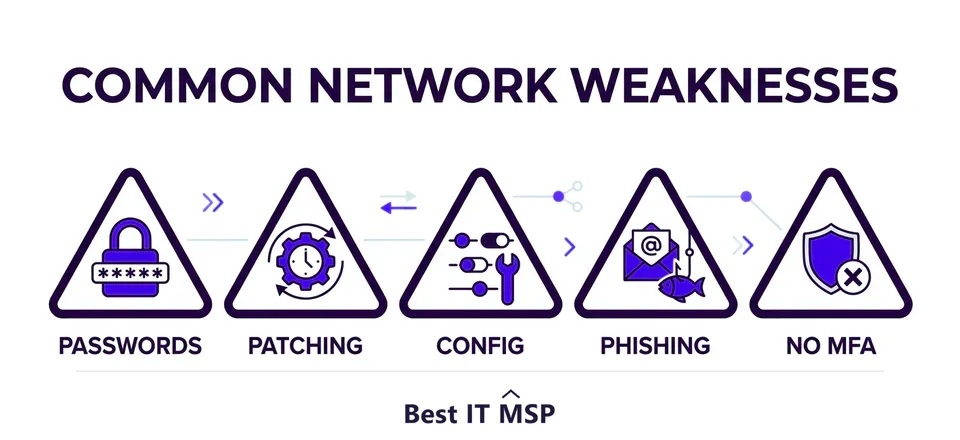
The most common network security vulnerabilities, from weak passwords and unpatched software to misconfigurations and phishing, plus how to find and fix each.
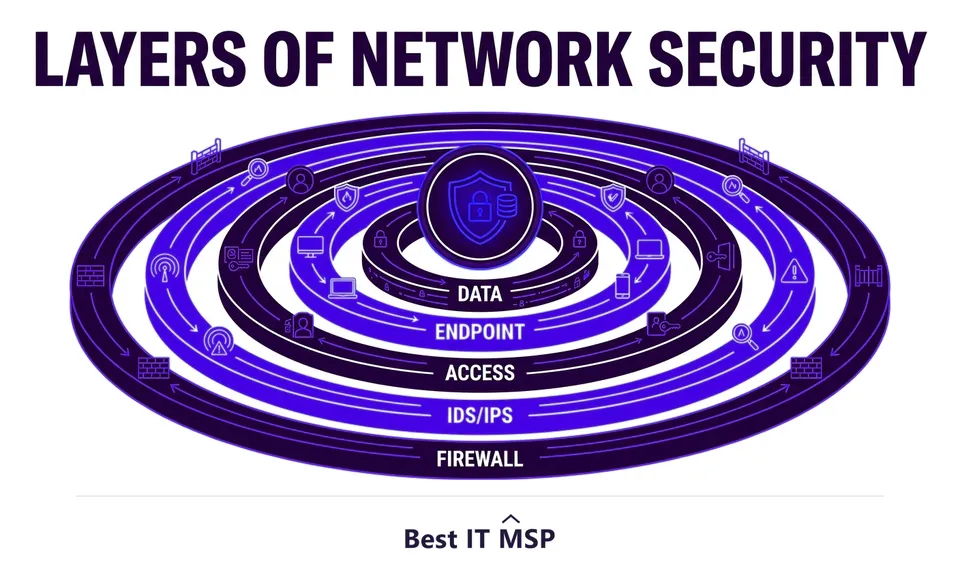
The main types of network security explained in plain English: firewalls, IDS/IPS, VPNs, NAC, email and endpoint security, segmentation, DLP, and Zero Trust.
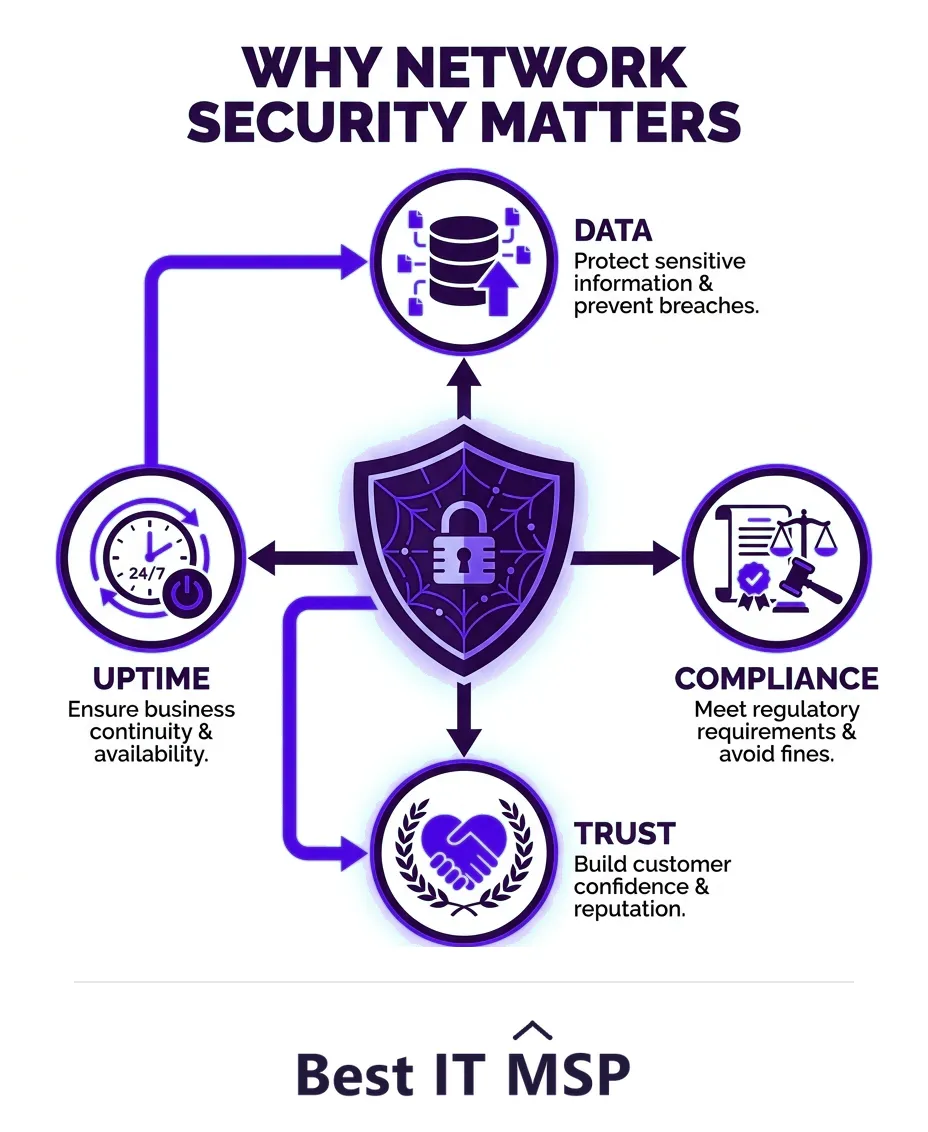
Why network security matters: it protects data, prevents costly downtime, defends against ransomware and phishing, supports compliance, and preserves trust.
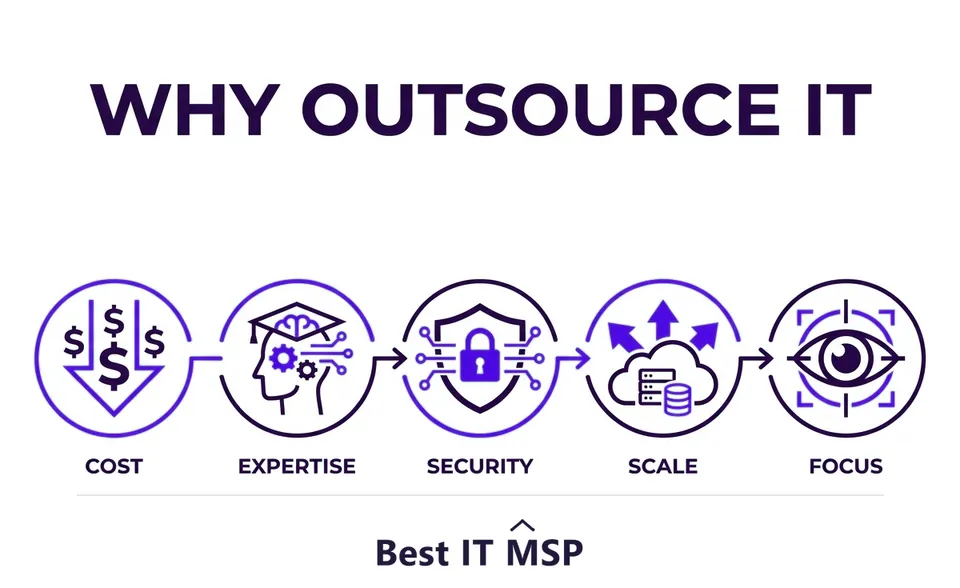
The real benefits of IT outsourcing: lower and predictable costs, access to expertise, stronger security, scalability, and more focus on your core business.
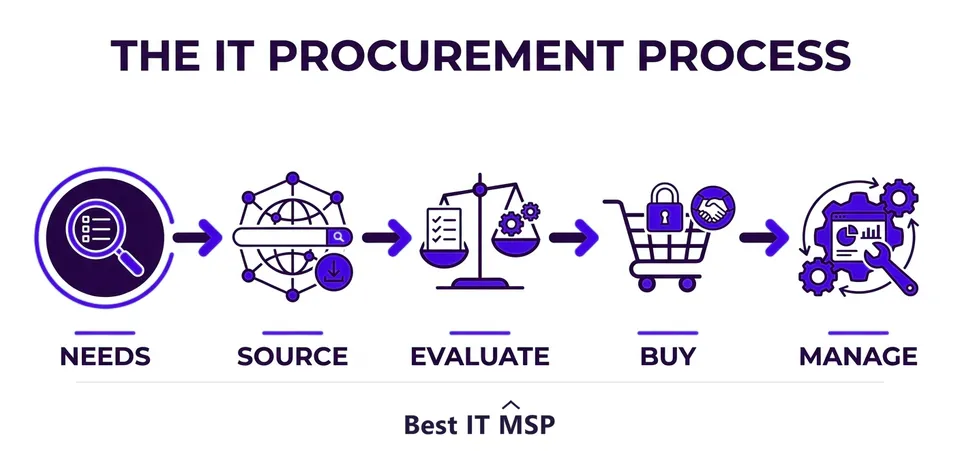
The IT procurement process explained step by step, plus best practices for needs analysis, vendor selection, negotiation, security, and lifecycle management.
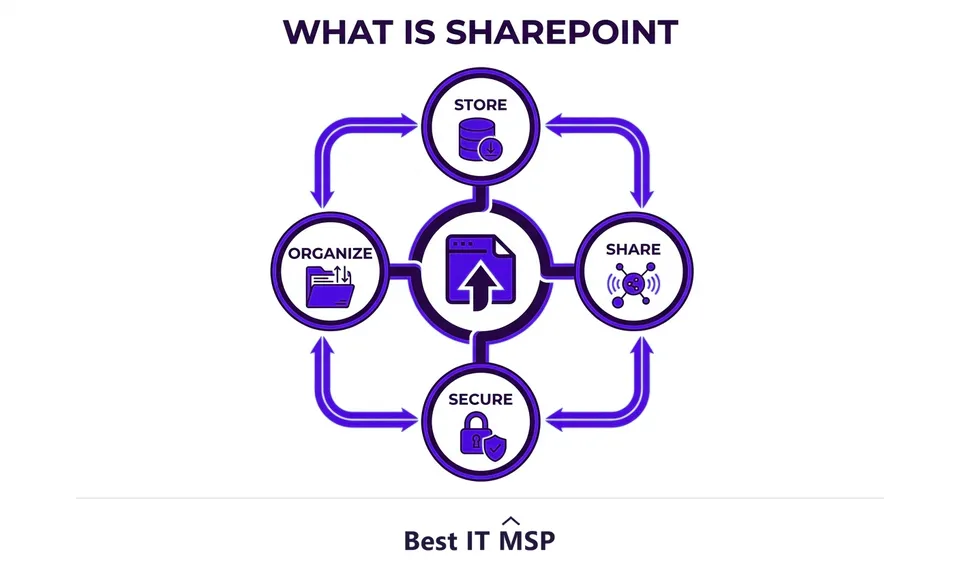
What SharePoint is, how it works, sites, libraries, and lists explained, SharePoint vs OneDrive vs Teams, the benefits, and common pitfalls. A plain guide.
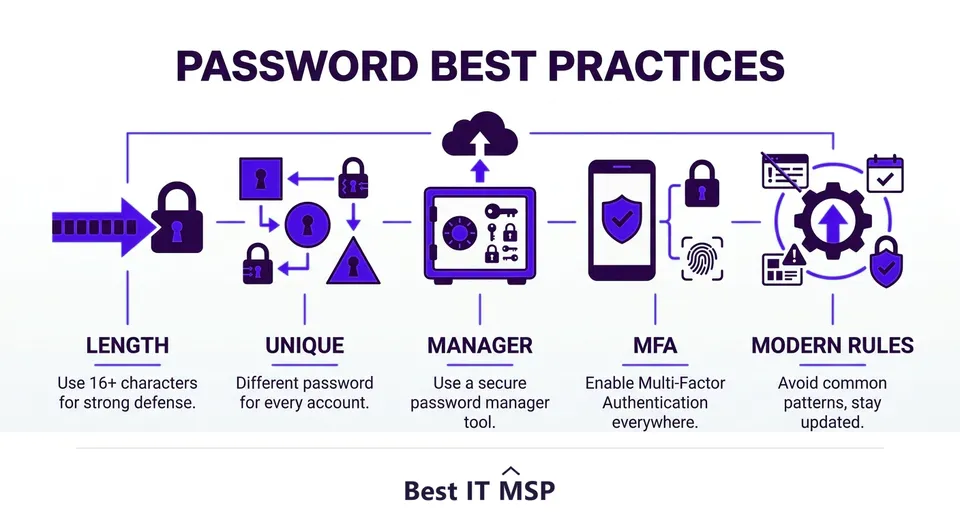
Password best practices for 2026: use long passphrases, a password manager, and MFA, stop reusing passwords, and follow modern NIST guidance. A practical guide.
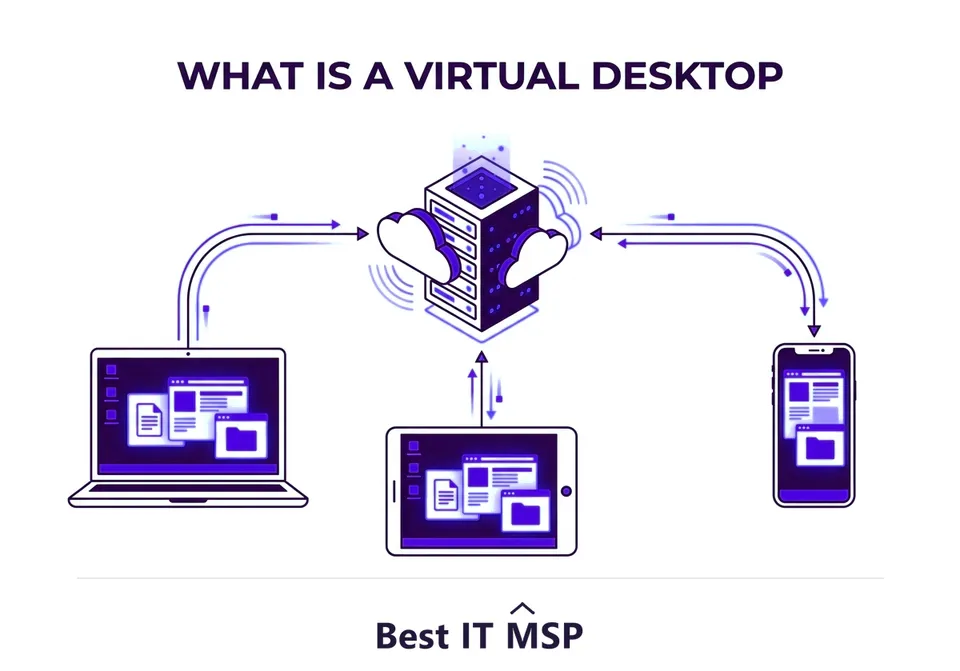
What a virtual desktop is, how VDI and DaaS work and differ, the benefits and drawbacks, what they cost, and who should use one. A plain-English guide.
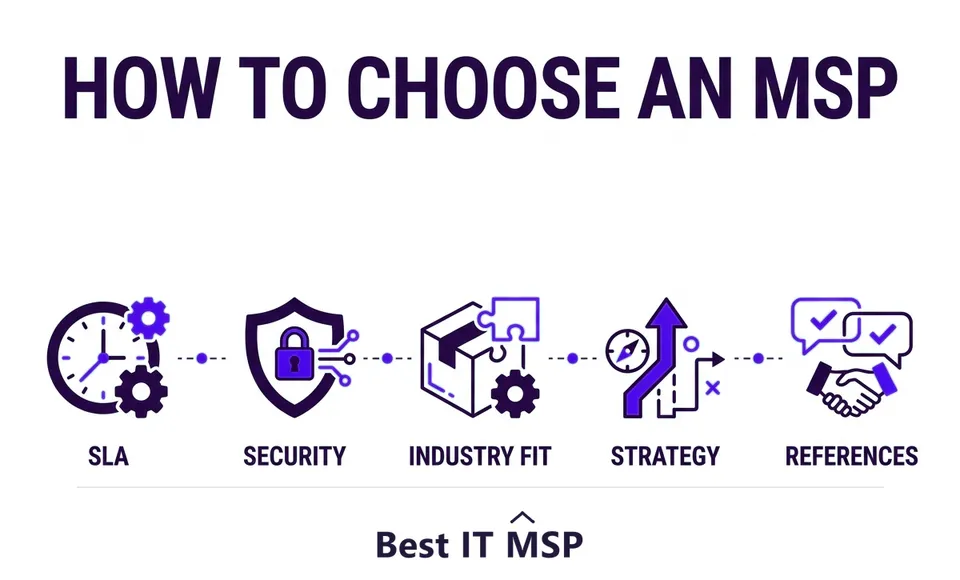
How to choose a managed service provider: what to look for, the questions to ask, the red flags to avoid, and a step-by-step process to compare and decide.
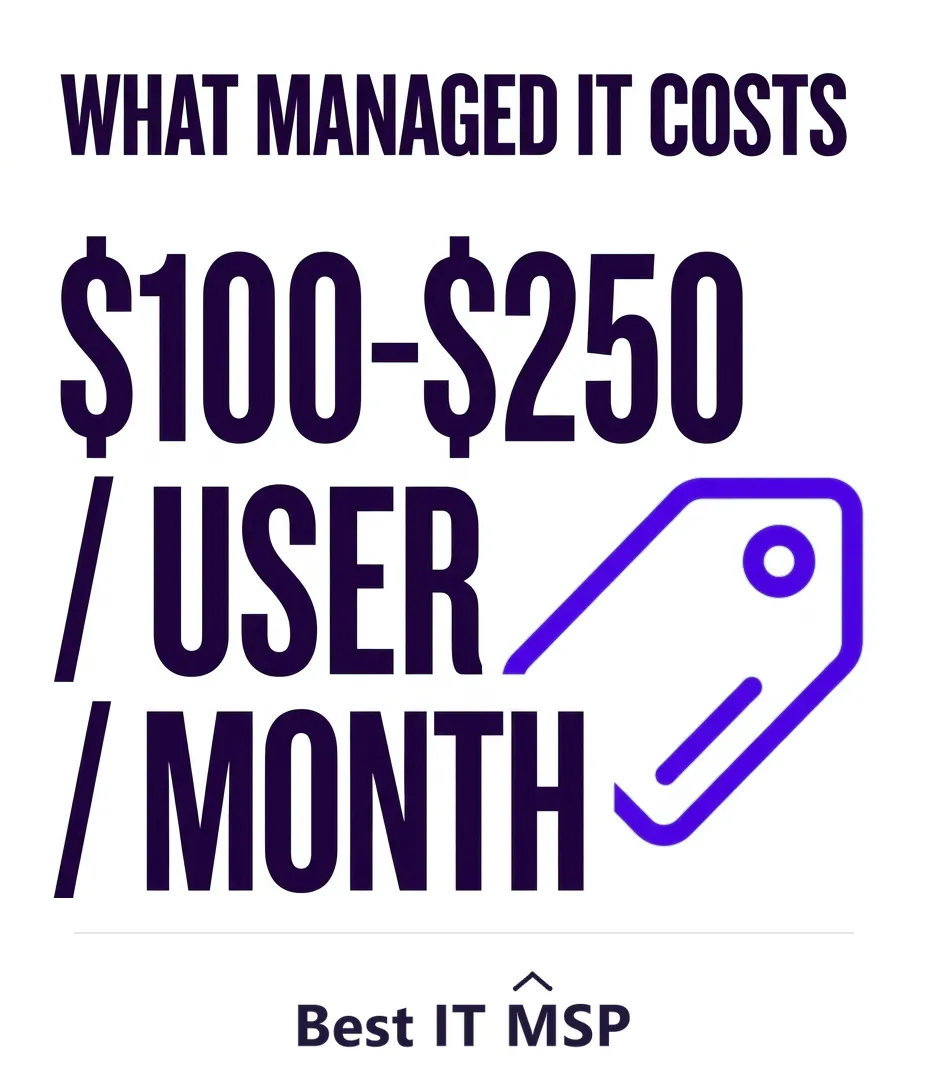
How much managed IT services cost per user and per device, the pricing models, what drives the price, example monthly costs by company size, and hidden fees.
The real benefits of managed IT services: lower and predictable costs, less downtime, stronger security, expert talent, and IT that scales as you grow.
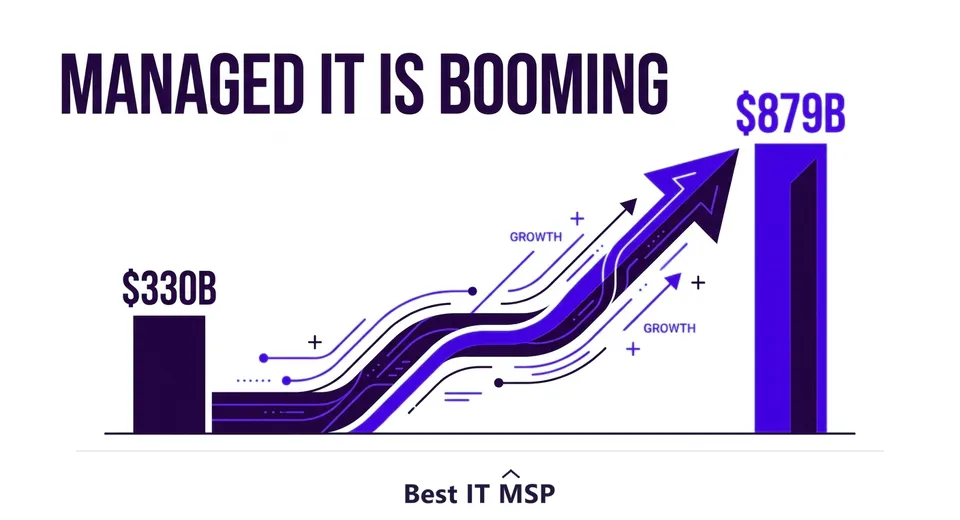
What managed IT services are, how the model works, what is included, how they compare to break-fix and in-house IT, what they cost, and who needs them.
Showing 12 of 246 posts