The Benefits of Digital Transformation
The benefits of digital transformation are concrete: greater efficiency through automation, a better customer experience, smarter decisions from data, more agility to adapt and scale, lower long-term costs, and stronger security and resilience. Together they let a business do more with less and compete with far larger rivals.
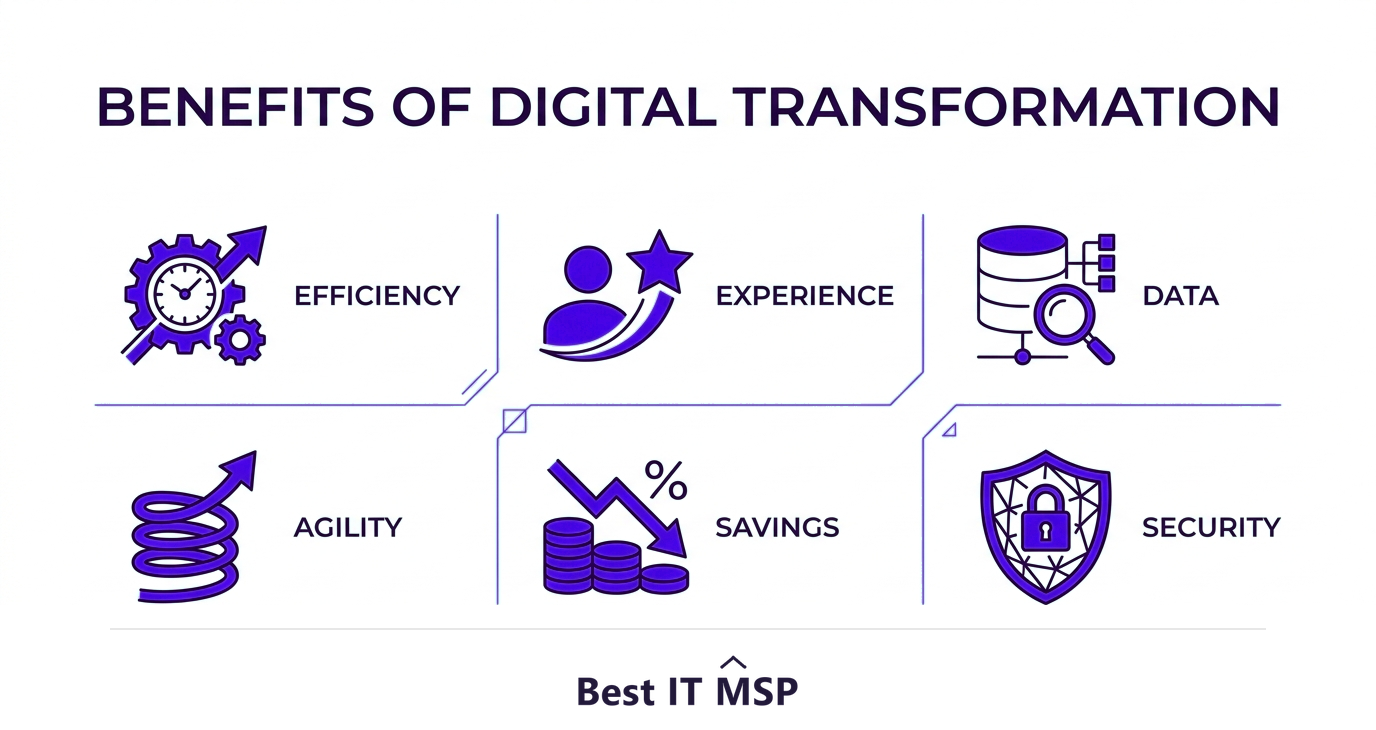
- Digital transformation improves efficiency by automating manual work and streamlining processes.
- It improves the customer experience, which is increasingly how businesses win and keep customers.
- It turns data into better, faster decisions instead of guesswork.
- It makes a business more agile and scalable, able to adapt and grow without rebuilding.
- Done with security built in, it also makes the business more resilient, not more exposed.
Why digital transformation is worth it
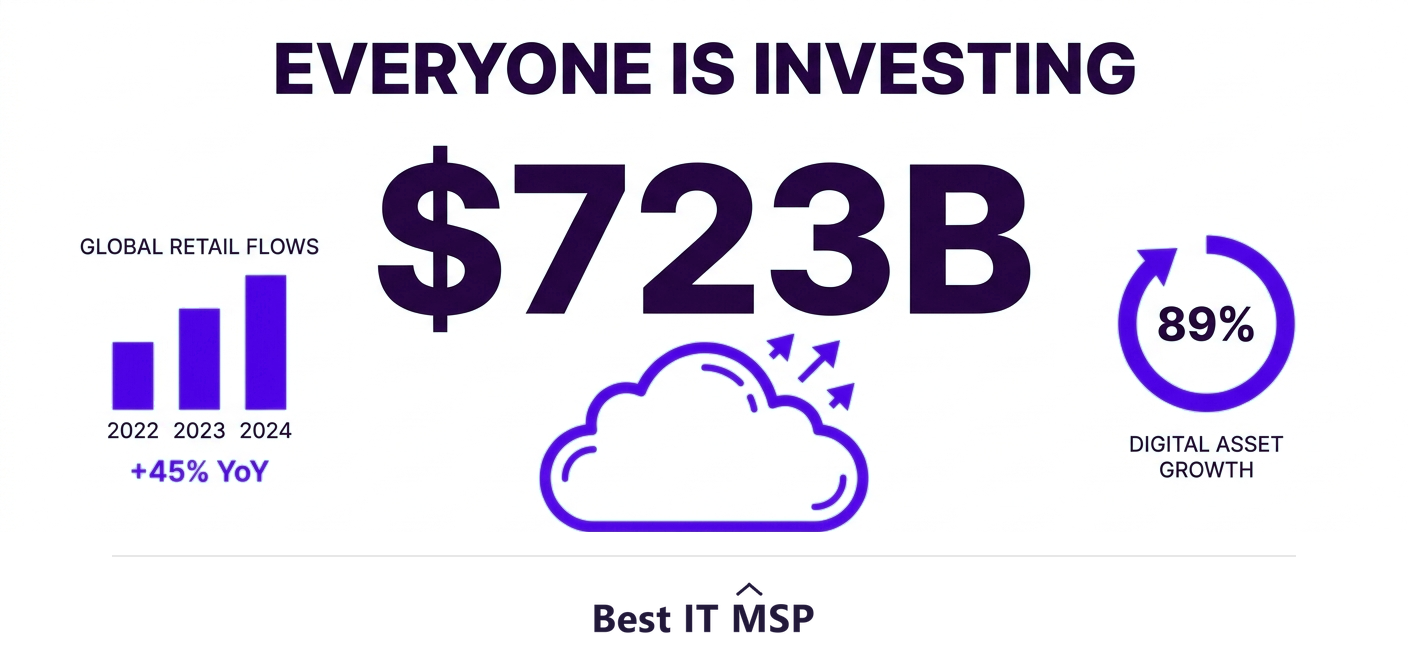
Digital transformation, using technology to fundamentally improve how a business operates and serves customers, is often discussed as an obligation, something you must do to keep up. But the real case for it is the benefits it delivers, which are concrete and measurable when transformation is done well. It lets a business do more with less, respond faster, serve customers better, and compete with rivals many times its size. The investment is significant, but so is the payoff, which is why worldwide public cloud spending is forecast to top $723 billion in 2025, up from about $595.7 billion in 2024, as businesses pour money into modernizing.
The important caveat is that these benefits are not automatic. They come from pursuing specific outcomes deliberately, not from buying technology and hoping value appears. This guide lays out the main benefits and how each is realized. It pairs with our digital transformation framework guide and our digital transformation services overview.
1. Greater efficiency and productivity
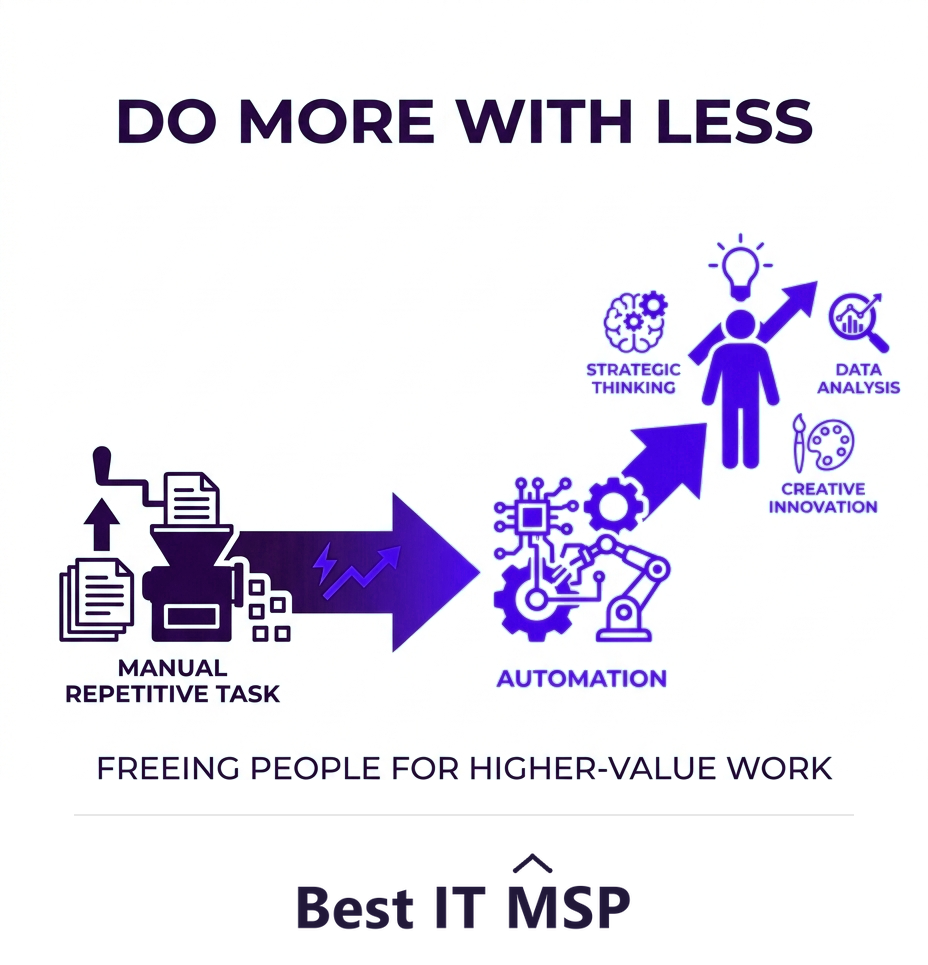
The most immediate benefit is efficiency. Digital transformation automates manual, repetitive work, streamlines processes, and removes the friction that slows people down, whether that is re-keying data between systems, chasing paper approvals, or fixing avoidable errors. The result is that staff spend less time on low-value busywork and more on the work that actually grows the business. For a small business, that reclaimed capacity is like adding people without adding payroll, which is one of the most powerful and immediate effects of transformation.
2. A better customer experience
Customers now expect fast, convenient, digital interactions, and transformation is how a business meets that expectation. Online ordering, self-service portals, quick digital communication, and personalized service all come from modernizing the technology behind the scenes. A better customer experience drives loyalty, referrals, and repeat business, and it is increasingly the battleground on which companies win or lose. A smaller business that delivers a slick, responsive experience can outcompete a larger, slower rival on the thing customers feel most directly.
3. Smarter, data-driven decisions
Modern systems capture data about everything a business does, and transformation turns that data into insight. Instead of relying on gut feel, leaders can see what is actually happening, which products sell, where time is lost, what customers do, and decide accordingly. Dashboards and analytics replace guesswork with evidence, and over time that compounds into consistently better decisions. The shift from anecdote to data is subtle but transformative, because it improves the quality of every choice the business makes, from daily operations to long-term strategy, and it helps spot problems and opportunities far earlier than instinct alone would.
4. Agility and scalability
A digitally transformed business can adapt and grow far more easily than one tied to rigid, manual systems. Cloud-based tools scale up or down with demand, new capabilities can be added quickly, and the business can respond to change, a market shift, a new opportunity, a crisis, without rebuilding from scratch. The pandemic proved this vividly: organizations that had modernized pivoted to remote work in days, while others scrambled for months. Agility is hard to value on a spreadsheet but decisive when conditions change suddenly. The same flexibility helps in good times too: a digitally agile business can launch a new product, open a new location, or onboard a wave of staff in a fraction of the time, because the systems flex instead of breaking. In a fast-moving market, the ability to move quickly is often worth more than any single efficiency gain.
5. Lower costs over the long term
Transformation requires investment, but it lowers costs over time. Automation cuts labor on repetitive tasks, cloud services replace expensive hardware and maintenance with predictable subscriptions, and fewer errors and outages mean less expensive firefighting. Preventing downtime alone is significant, since an hour costs most organizations more than $100,000. The goal is not cost-cutting for its own sake but doing more with the same resources, so the savings show up as capacity and growth as much as as a smaller bill.
6. Stronger security and resilience
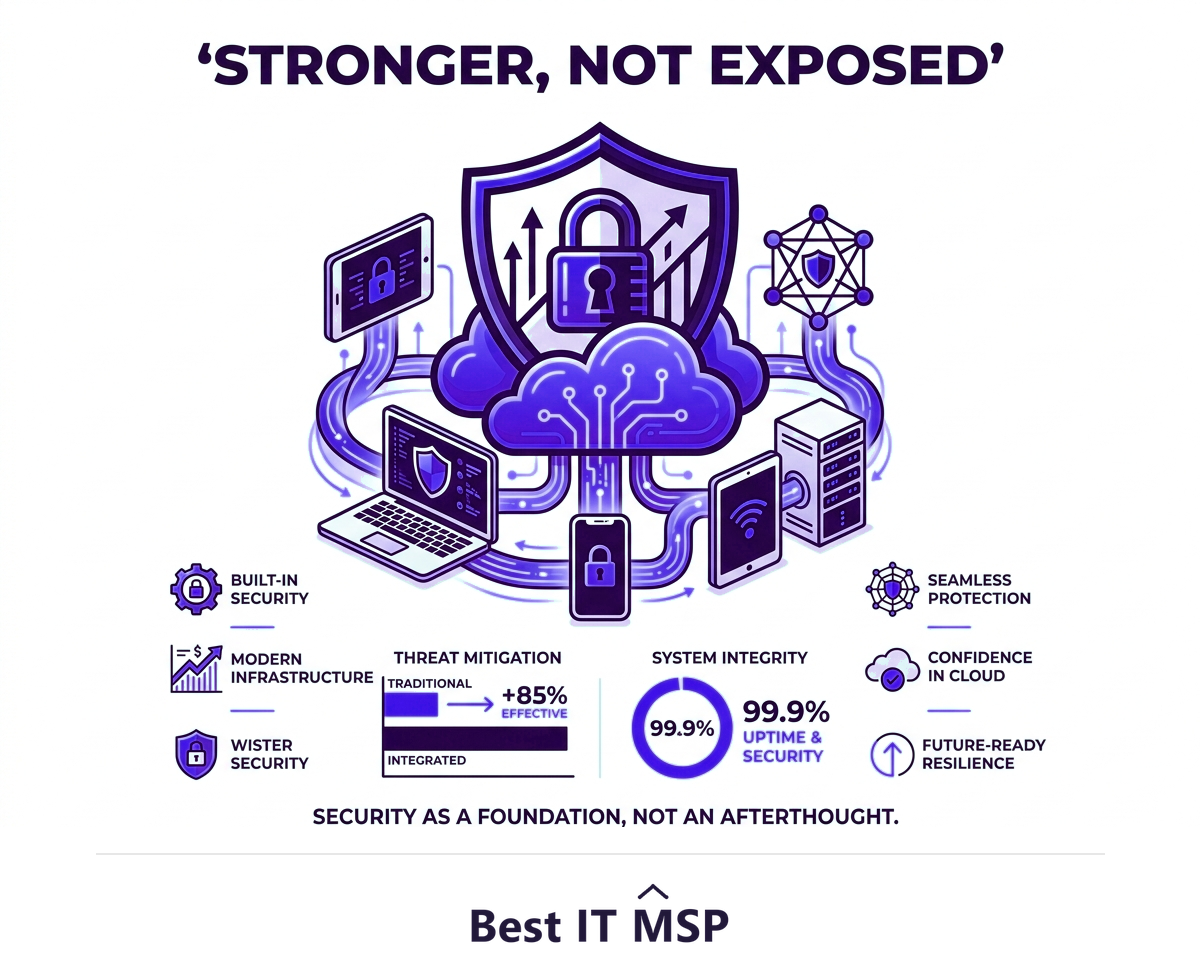
Done correctly, with security built in from the start, transformation makes a business more resilient, not more exposed. Modern, well-configured systems are easier to secure, patch, back up, and recover than aging on-premises ones, and centralizing data in well-managed cloud services can improve protection. This matters because the average data breach costs $4.88 million and reported cybercrime losses topped $12.5 billion in a single year. The caveat is critical: security must be part of the transformation, because modernizing without it simply moves the business online with the door unlocked.
7. A real and lasting competitive advantage
Add the benefits together and the sum is a genuine competitive advantage. A business that is more efficient, more responsive to customers, smarter with data, more agile, leaner on cost, and more secure simply outperforms one that is not. Crucially, this levels the playing field for smaller businesses: cloud and modern tools give an SMB access to capabilities that were once the preserve of large enterprises. Transformation is how a small business punches above its weight, which is why it has shifted from a luxury to a competitive necessity.
Realizing the benefits
The benefits are real, but they are earned through deliberate execution, not bought off a shelf. That takes strategy, the right sequence of projects, and technical and security expertise that many businesses lack in-house, especially amid a global shortfall of about 4.8 million cybersecurity and IT professionals. This is why many small and midsize businesses pursue transformation with a managed provider or virtual CIO that plans around outcomes and handles the technical work, part of why the managed services market is projected to grow from about $330 billion in 2024 to about $879 billion over the next decade.
If you want to capture these benefits without the wasted spend that comes from buying technology aimlessly, start with a provider that plans transformation around your goals. Browse vetted, merit-ranked firms by city in the Best IT MSP directory, where ranking is earned on rating and verified data.
FAQ
What are the benefits of digital transformation?
The main benefits are greater efficiency and productivity through automation, a better customer experience, smarter data-driven decisions, more agility and scalability, lower long-term costs, and stronger security and resilience. Together they let a business do more with less, adapt faster, and compete with far larger rivals, adding up to a real competitive advantage.
How does digital transformation improve efficiency?
It automates manual, repetitive work, streamlines processes, and removes friction such as re-keying data, chasing paper approvals, and fixing avoidable errors. Staff then spend less time on low-value busywork and more on work that grows the business. For a small business, that reclaimed capacity is like adding people without adding payroll.
Does digital transformation save money?
Over time, yes. It requires upfront investment, but automation cuts labor on repetitive tasks, cloud services replace costly hardware with predictable subscriptions, and fewer errors and outages reduce expensive firefighting. Preventing downtime matters too, since an hour costs most organizations more than $100,000. The savings often show up as added capacity and growth, not just a smaller bill.
How does digital transformation improve customer experience?
It enables the fast, convenient, digital interactions customers now expect, such as online ordering, self-service portals, quick digital communication, and personalized service, by modernizing the technology behind the scenes. A better experience drives loyalty, referrals, and repeat business, and lets a smaller business outcompete larger, slower rivals on what customers feel most directly.
Does digital transformation make a business more secure?
It can, when security is built in from the start. Modern, well-configured systems are easier to secure, patch, back up, and recover than aging on-premises ones, and well-managed cloud services can improve protection. But the caveat is critical: modernizing without security just moves the business online with the door unlocked, given the average breach costs $4.88 million.
How do you actually realize the benefits of digital transformation?
By pursuing specific outcomes deliberately rather than buying technology and hoping value appears. That takes strategy, the right sequence of projects, and technical and security expertise. Many small and midsize businesses work with a managed provider or virtual CIO that plans transformation around business goals and handles the technical work to capture the benefits without wasted spend.
Best IT MSP is the independent directory of vetted managed IT providers across North America. Compare merit-ranked firms in your city that plan and deliver digital transformation around your goals. No pay-to-play.