12 Benefits of Managed IT Services for Your Business
The main benefits of managed IT services are predictable costs, less downtime, stronger cybersecurity, access to specialized expertise, and IT that scales with you. Instead of reacting to problems, a managed service provider proactively monitors and maintains your systems, which prevents outages, reduces risk, and frees your team to focus on the business rather than the technology.

- Managed IT services convert unpredictable break-fix bills into a predictable flat monthly fee you can budget.
- Proactive monitoring prevents most outages before they happen, and downtime is expensive when it does.
- You gain enterprise-grade cybersecurity and a deep bench of specialists you could not afford to hire in-house.
- The per-user model scales cleanly as you grow, and a provider adds strategic IT planning, not just support.
- Best IT MSP is an independent directory that helps you compare and choose a vetted provider on merit.
Why the benefits of managed IT services matter
Managed IT services hand the day-to-day running of your technology to an outside managed service provider for a predictable monthly fee. The reason businesses make the switch is simple: the benefits compound. You spend less and more predictably, you suffer less downtime, your data is better protected, and you gain expertise you could never afford to hire alone. Demand reflects this, with the global managed services market valued at roughly $330 billion in 2024 and projected to reach about $879 billion over the next decade, expanding at roughly a 13 to 15 percent compound annual rate as more businesses choose to outsource IT rather than build it. Below are the benefits that drive that growth.
1. Predictable, controllable IT costs
The biggest financial benefit is predictability. A managed service provider charges a flat fee, usually per user or per device, so your IT spend becomes a single budgetable line item instead of a series of surprise break-fix bills. You can plan, forecast, and avoid the emergency invoices that come with reactive support, which makes the model especially valuable for small and midsize businesses managing tight budgets. When you outsource IT to a provider, you also stop paying for idle in-house capacity and one-off emergencies, and you trade a lumpy capital-and-crisis spending pattern for a smooth operating expense. That predictability is often what finance teams value most, because it makes technology costs easy to defend in a budget.
2. Less downtime through proactive monitoring
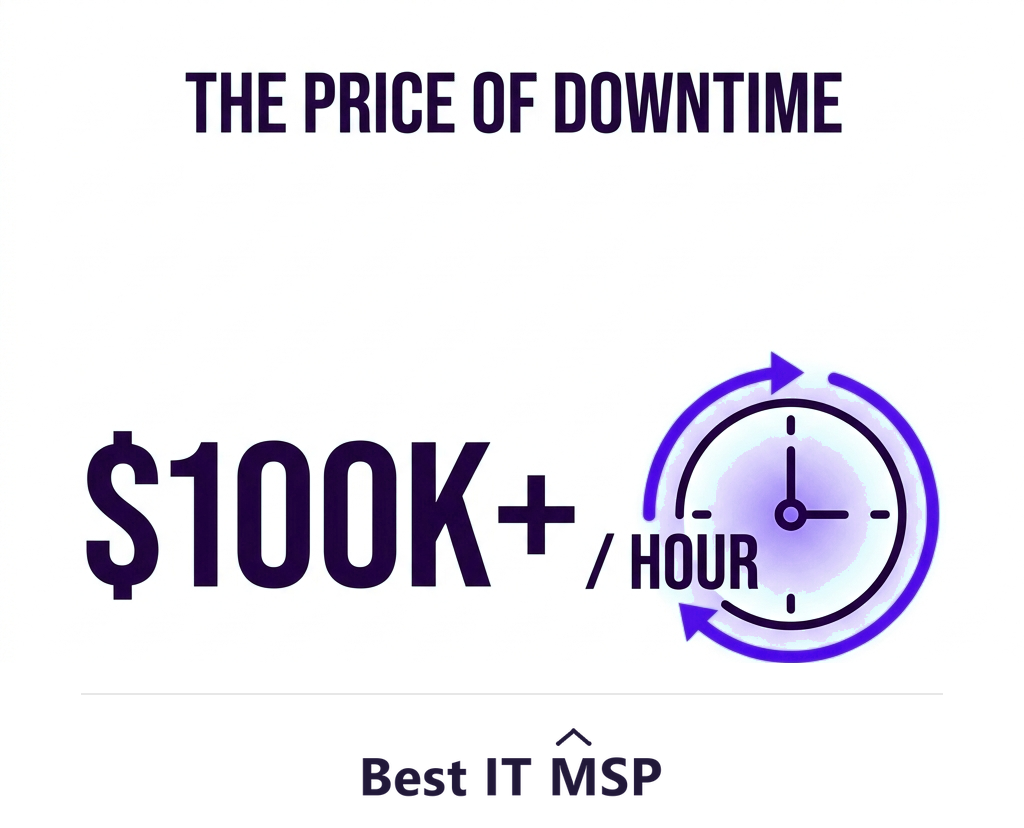
A managed provider monitors your systems around the clock and fixes small issues before they become outages. That matters because downtime is brutally expensive: an hour of downtime costs most organizations more than $100,000. Preventing even a few hours of outage a year can pay for the service many times over, and proactive maintenance keeps your team productive instead of stuck waiting on broken technology. Reactive break-fix support, by contrast, only shows up after the damage is done, so problems recur and small faults grow into expensive failures. The non-obvious benefit here is incentive alignment: because a provider is paid a flat fee, every hour your systems stay healthy is an hour they do not have to spend firefighting, so preventing your downtime is in their financial interest too.
3. Stronger cybersecurity
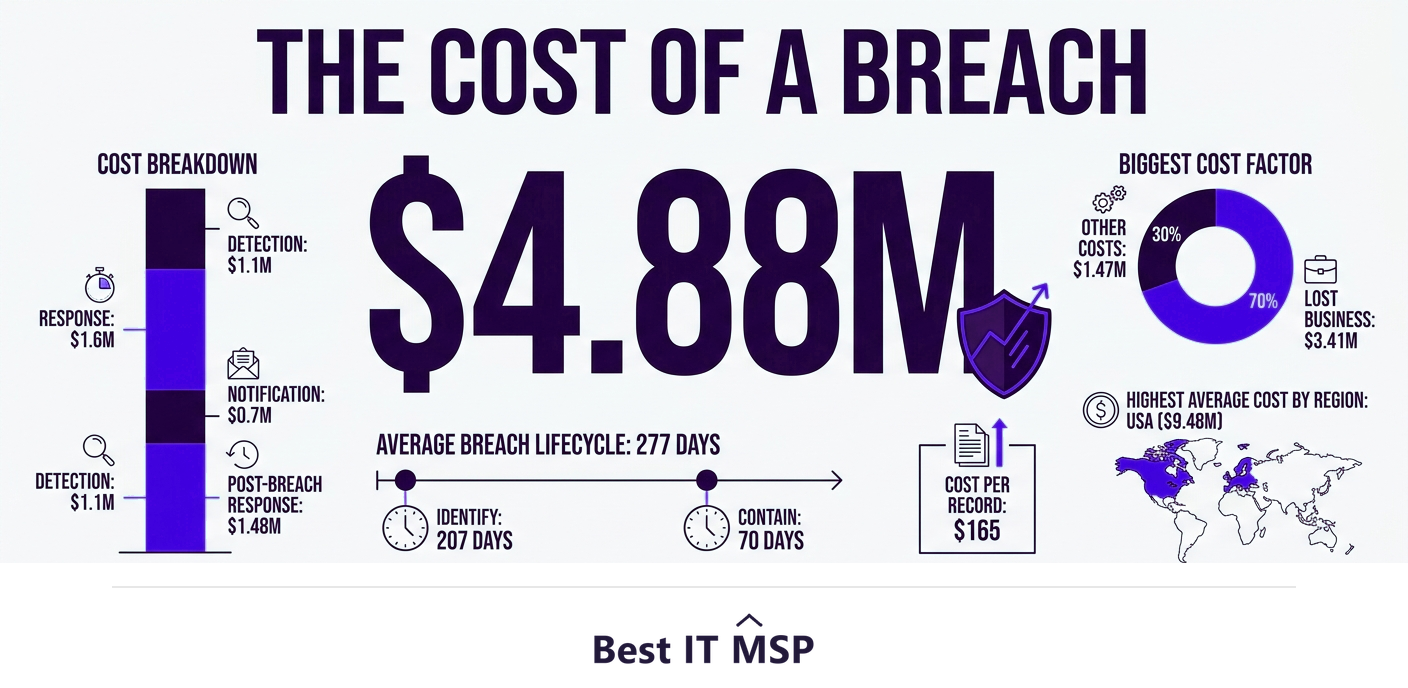
Security is one of the strongest reasons to use managed IT. Providers bundle defenses such as endpoint protection, email security, and multi-factor authentication, plus continuous monitoring, that most businesses cannot assemble alone. The stakes are high: the average data breach now costs $4.88 million, and reported cybercrime losses topped $12.5 billion in a single year. A provider gives you enterprise-grade protection at a fraction of the cost of building it yourself.
4. Access to specialized expertise
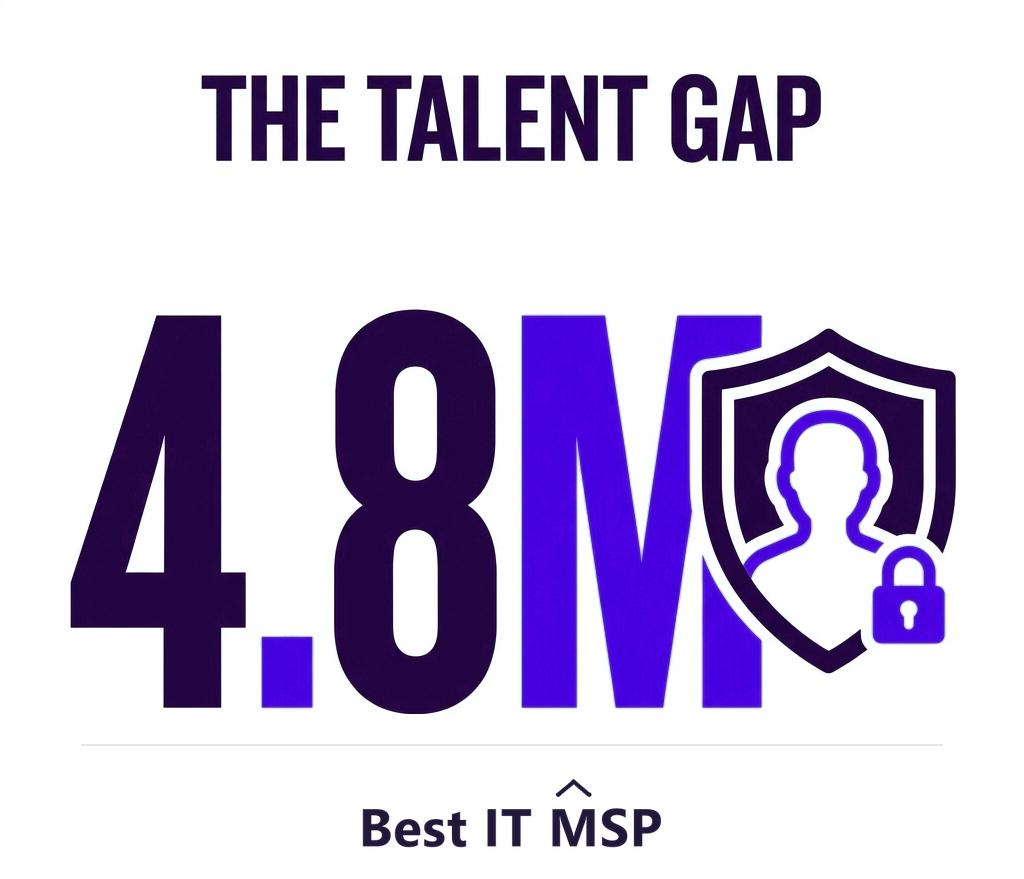
Hiring and keeping skilled IT and security staff is hard and expensive, with a global shortfall of about 4.8 million cybersecurity professionals. A managed provider spreads a deep team of specialists across many clients, so you get access to expertise in security, cloud, networking, and compliance that you could not justify employing full time. You essentially rent an entire IT department for less than the cost of one senior hire. Just as important, a provider does not take vacations or quit. When you rely on a single internal technician, that person is a single point of failure, but a provider guarantees coverage, documents your environment, and retains institutional knowledge even as individuals come and go.
5. The rest of the benefits, in brief
Beyond the four biggest wins above, a strong managed IT relationship delivers a long tail of smaller advantages that quietly add up over the course of the year:
- <strong>Scalability.</strong> Per-user pricing makes IT inherently scalable: it grows and shrinks with your headcount, so the same partner supports you at 10 or 300 employees.
- <strong>Strategic IT planning.</strong> A provider acts as a virtual CIO, aligning technology decisions with your business goals rather than just fixing tickets.
- <strong>Reliable data backup and recovery.</strong> Tested backups and a recovery plan protect you from ransomware, hardware failure, and human error.
- <strong>Faster support.</strong> A dedicated help desk resolves everyday problems quickly, with response times guaranteed in the agreement.
- <strong>Access to better technology.</strong> Providers bring enterprise tools and vendor relationships you would struggle to access alone.
- <strong>Compliance support.</strong> Help meeting HIPAA, PCI, CMMC, and other requirements, with the documentation auditors expect.
- <strong>Focus on your core business.</strong> Your team stops firefighting IT problems and gets back to the work that actually grows the company and serves customers.
- <strong>Future-readiness.</strong> As you move to the cloud, in a market where public cloud spending is forecast to top $723 billion in 2025, a provider keeps you current and secure.
Are managed IT services worth it?
For most small and midsize businesses, the benefits clearly outweigh the cost. Managed IT is usually priced at about $100 to $250 per user per month, and that predictable fee is almost always cheaper than the combined cost of downtime, a breach, and full-time staff. The model turns technology from a source of stress and surprise bills into a stable, strategic asset. The biggest hidden benefit is time: when the owner and team stop firefighting IT, those reclaimed hours go straight back into serving customers and growing revenue, which rarely shows up on the invoice but is often the largest return of all. For a full breakdown, see our managed IT services pricing guide and the broader managed IT services overview.
How to capture these benefits
The benefits are only as good as the provider you choose, and quality varies widely. A weak provider can deliver slow response, thin security, and lock-in contracts that erase the advantages above, so the selection process matters as much as the decision to outsource. Shortlist a few providers, compare them on guaranteed response times, the security included in the base plan, industry experience, references, and clear exit terms, then pick the best fit rather than the cheapest quote. Ask each one how they prevent problems, not just how they fix them, because the proactive difference is where most of the value lives. To start from a vetted, merit-ranked list rather than a search ad, browse providers by city in the Best IT MSP directory, where ranking is earned on rating and verified data.
FAQ
What are the main benefits of managed IT services?
The main benefits are predictable, controllable costs, less downtime through proactive monitoring, stronger cybersecurity, access to specialized expertise, and IT that scales with your business. A managed service provider also adds strategic planning, reliable data backup, faster support, and compliance help, all under one predictable monthly fee.
Do managed IT services save money?
For most small and midsize businesses, yes. The flat per-user fee replaces unpredictable break-fix bills, and preventing downtime and breaches usually saves far more than the service costs. An hour of downtime costs most organizations more than $100,000 and the average breach costs $4.88 million, so prevention pays for itself.
How do managed IT services improve security?
A provider bundles enterprise-grade defenses such as endpoint protection, email security, and multi-factor authentication with around-the-clock monitoring and tested backups. Because skilled security staff are scarce, with a global shortfall of about 4.8 million professionals, a provider gives you protection and expertise that would be hard and expensive to build in-house.
Are managed IT services worth the cost for a small business?
Usually yes. Managed IT typically costs about $100 to $250 per user per month, and that predictable fee is generally cheaper than the combined cost of outages, a breach, and hiring full-time staff. It also frees the owner and team from firefighting IT so they can focus on growing the business.
Can managed IT services scale as my business grows?
Yes. Because managed IT is usually priced per user or per device, your costs and coverage grow and shrink with your headcount. The same provider can support you whether you have 10 employees or 300, adding capacity, security, and strategy as your needs change without forcing you to rebuild your IT.
Best IT MSP is the independent directory of vetted managed IT providers across North America. Compare merit-ranked firms in your city on real ratings and verified data, not on who pays the most. No pay-to-play.