Data Security in Cloud Computing
Data security in cloud computing is the set of controls that protect data stored and processed in cloud services from breach, loss, and unauthorized access. It differs from on-premises security because of the shared responsibility model: the provider secures the infrastructure, but you secure your data, identities, and configurations.
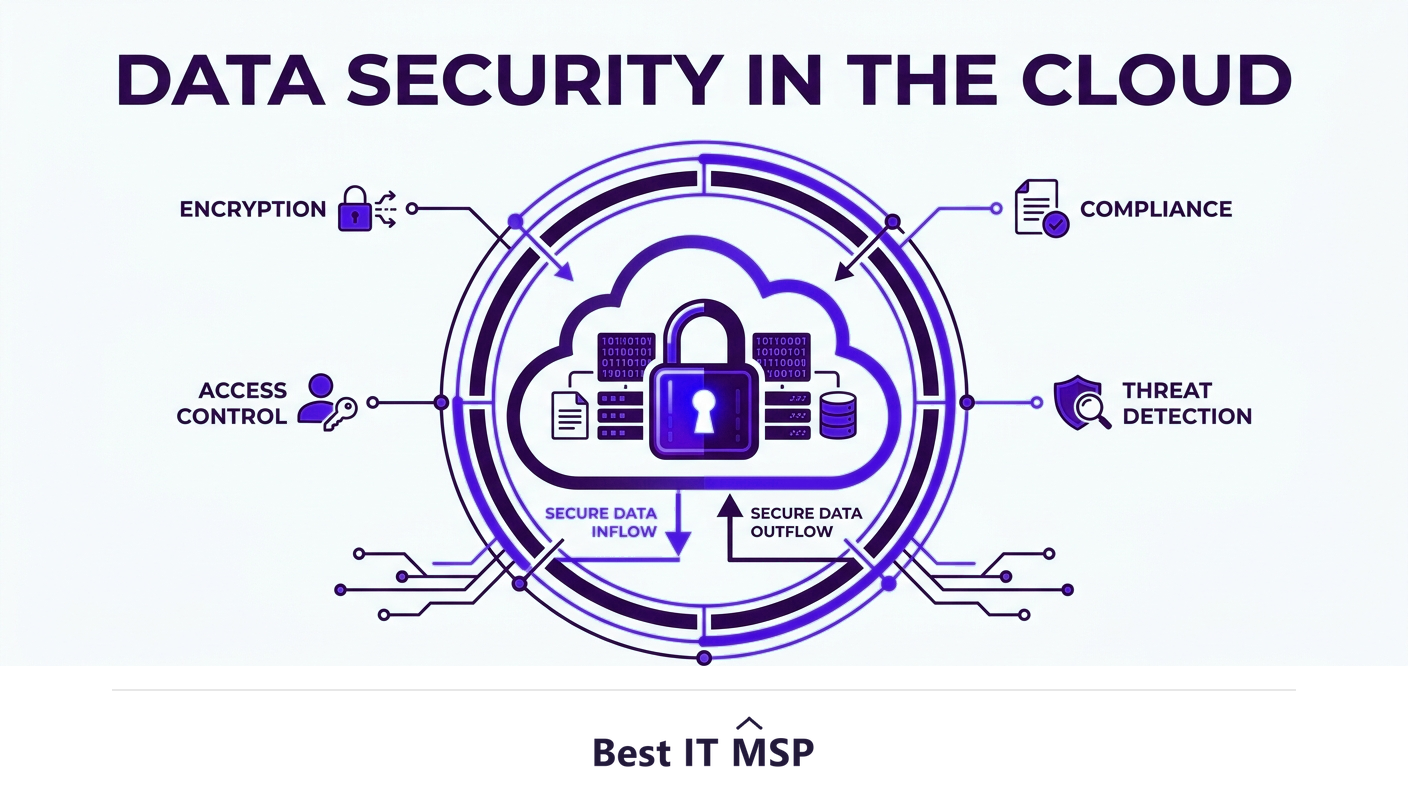
- Data security in cloud computing protects data in cloud services from breach, loss, and unauthorized access.
- Under the shared responsibility model, securing your data, identities, and configurations is your job, not the provider's.
- Most cloud data breaches trace to misconfiguration and weak access control, not to the cloud platform itself.
- The core controls are encryption, identity and access management, data classification, data loss prevention, and backup.
- Visibility into where sensitive data lives, including shadow data, is the foundation of protecting it.
What is data security in cloud computing?
Data security in cloud computing is the set of controls, policies, and technologies that protect data stored and processed in cloud services from breach, loss, and unauthorized access. As businesses move more of their operations to platforms like AWS, Microsoft Azure, and Google Cloud, the data that used to sit behind the office firewall now lives in the cloud, where it must be protected differently. The goal is the same as it has always been, keeping the confidentiality, integrity, and availability of your data intact, but the methods and the responsibilities change. The shift is happening fast, with worldwide public cloud end-user spending forecast to reach $723.4 billion in 2025, which means there is more cloud data to secure every year.
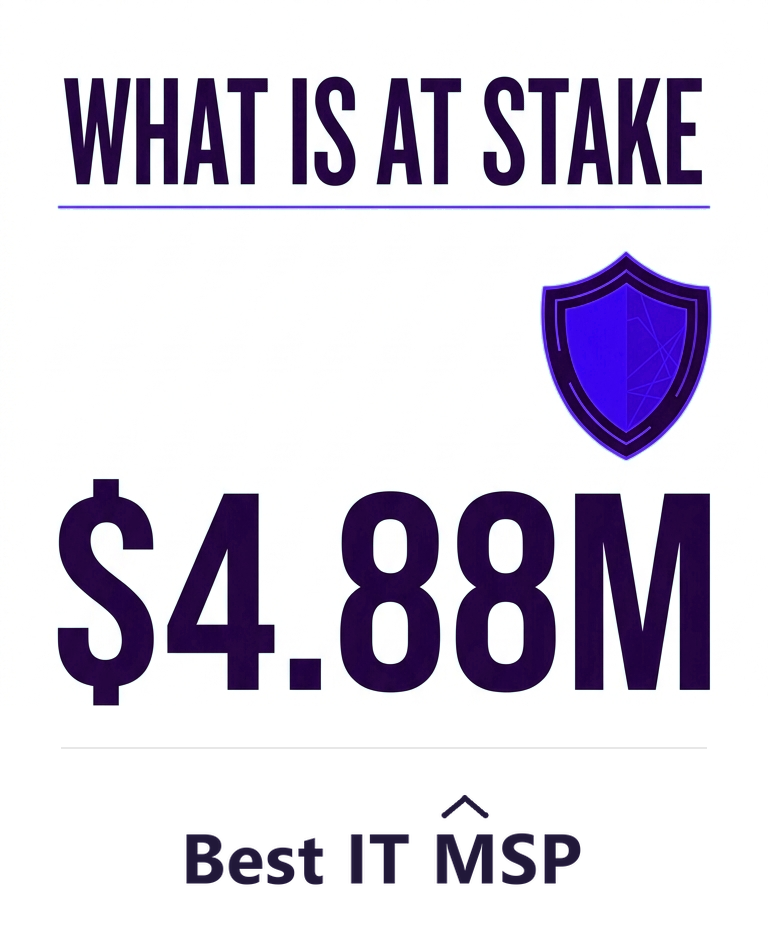
This guide explains what cloud data security involves, why it differs from traditional on-premises security, the biggest risks, the core controls that protect data, and a practical checklist. It pairs with our broader cloud security overview and the managed IT services hub. The stakes are high: the average data breach now costs $4.88 million.
Why cloud data security is different
The single most important concept is the shared responsibility model. In the cloud, the provider secures the underlying infrastructure, the physical data centers, hardware, and virtualization layer, while you, the customer, are responsible for securing your data, your identities, your configurations, and who has access. This is a frequent source of breaches, because organizations assume the cloud provider handles security end to end, when in fact the most exposed layer, the data and its access, is theirs to protect. Gartner has projected that through 2025, 99% of cloud security failures will be the customer's fault, almost always a misconfiguration or an over-permissive identity rather than a provider failure.
Two other differences matter. Cloud environments are dynamic, with resources spun up and down constantly, so data can sprawl quickly across services and regions. And cloud is often multi-tenant and internet-facing by default, which means a single mistake, like a storage bucket left open, can expose data to the entire internet rather than just the local network. That sprawl is measurable: 40% of breaches involved data spread across multiple environments such as public cloud, private cloud, and on-premises, and those breaches cost the most to resolve.
The biggest cloud data security risks
Most cloud data incidents come from a short list of recurring problems:
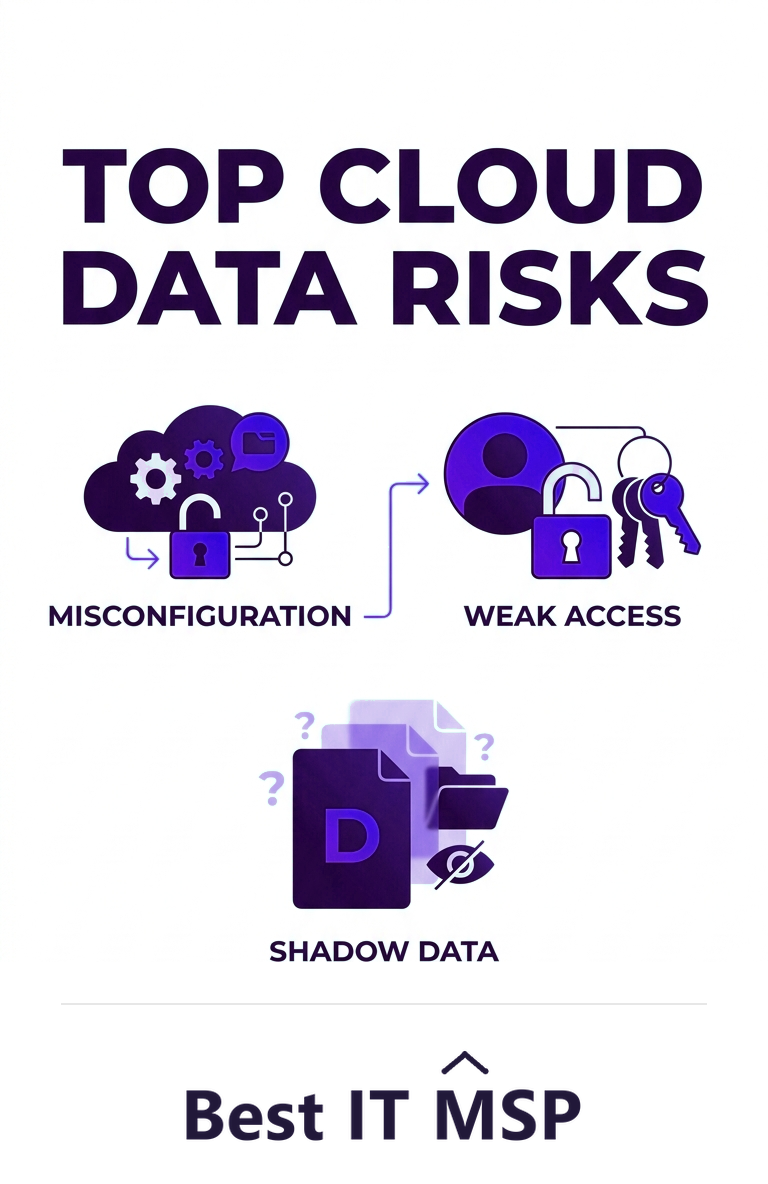
- <strong>Misconfiguration.</strong> Open storage buckets, public databases, and permissive defaults are the leading cause of cloud data exposure.
- <strong>Weak access control.</strong> Over-permissive roles, shared credentials, and missing multi-factor authentication let attackers reach data they should never touch.
- <strong>Shadow data.</strong> Copies of sensitive data in forgotten databases, test environments, or unsanctioned services that no one is watching.
- <strong>Compromised credentials.</strong> Stolen or phished logins remain one of the most common ways attackers get in, and the human element is involved in 68% of breaches.
- <strong>Insecure interfaces and APIs.</strong> Poorly secured APIs can expose data directly to the internet.
- <strong>Data loss.</strong> Accidental deletion, ransomware, or a provider outage can destroy data that was never backed up independently.
The core controls that protect cloud data
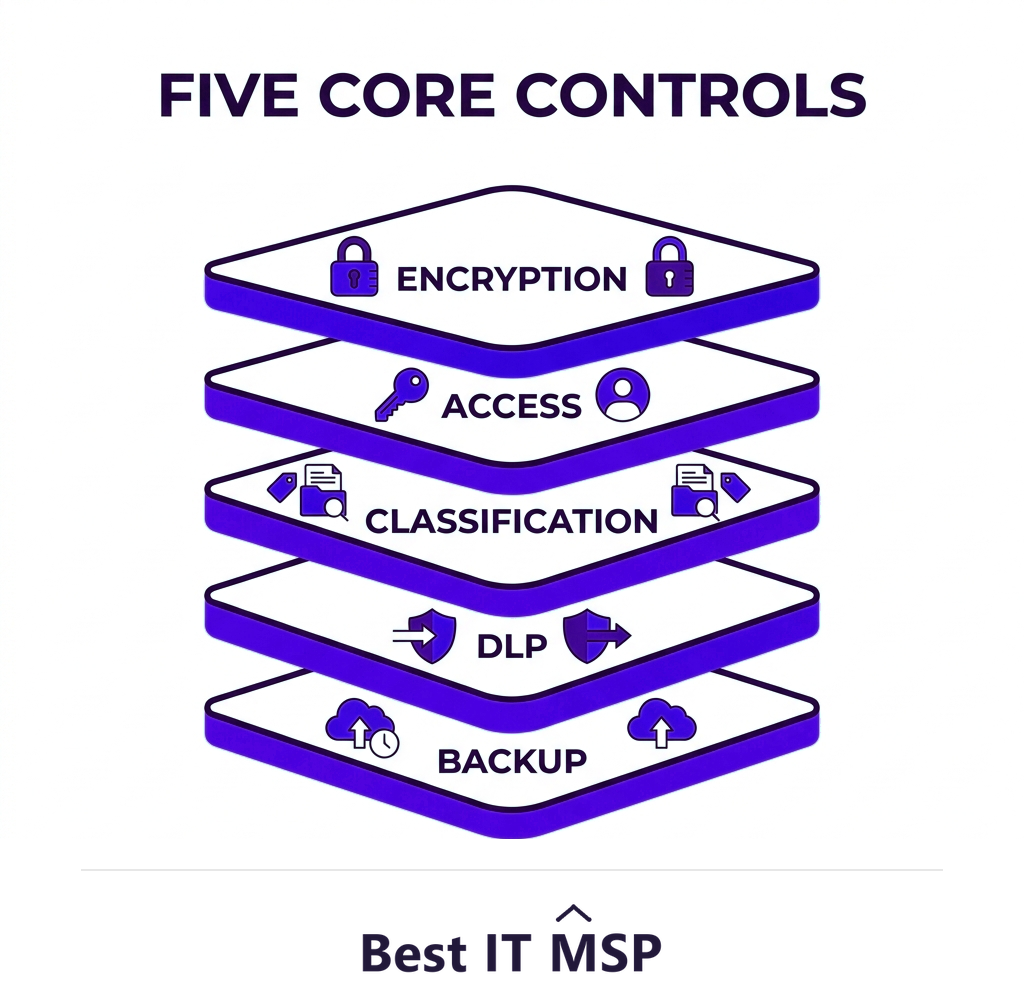
Strong cloud data security rests on five controls working together to secure information at every stage:
- <strong>Encryption.</strong> Encrypt data at rest and in transit so that even if it is exposed or intercepted, it is unreadable. Manage the keys carefully using a service like AWS KMS or Azure Key Vault.
- <strong>Identity and access management.</strong> Enforce least-privilege access, multi-factor authentication, and role-based permissions so each person and system can reach only the data they need.
- <strong>Data classification.</strong> Know what data you hold and how sensitive it is, because you cannot protect what you cannot see. Classification drives every other control.
- <strong>Data loss prevention (DLP).</strong> Monitor and block sensitive data from leaving where it belongs, whether by email, upload, or misconfigured sharing.
- <strong>Backup and recovery.</strong> Maintain independent, tested backups so you can recover from ransomware, deletion, or outage without paying a ransom or losing data permanently.
These controls compound. Encryption limits the damage of exposure, access management limits who can cause it, classification tells you where to focus, DLP catches leaks, and backup ensures you can always recover. Automation makes them stronger: organizations using security AI and automation extensively saved an average of $2.22 million per breach.
A cloud data security best-practices checklist
Translate the controls into action with a practical routine:
- <strong>Find your data.</strong> Discover and classify sensitive data across every cloud service, including shadow data in forgotten locations.
- <strong>Encrypt everything.</strong> Turn on encryption at rest and in transit by default, and control your own keys.
- <strong>Lock down access.</strong> Apply least privilege, require multi-factor authentication, and review permissions regularly to configure access tightly.
- <strong>Fix misconfigurations continuously.</strong> Use cloud security posture management to detect and remediate open buckets, public resources, and risky settings.
- <strong>Monitor and log.</strong> Centralize logs and watch for unusual access so you can detect and respond fast.
- <strong>Back up and test recovery.</strong> Keep independent backups and rehearse restoring them, because a backup you have never tested is a hope, not a plan.
Compliance and cloud data
For many businesses, cloud data security is also a compliance requirement. Frameworks like HIPAA, PCI DSS, SOC 2, and GDPR all impose obligations on how you store, protect, and control access to data, and they apply to data in the cloud just as they do on-premises. The major cloud platforms provide compliant infrastructure and certification reports, but compliance of your data and configurations is still your responsibility under the shared model. Getting it right protects you both from breaches and from the regulatory penalties that often follow them. When downtime alone from an incident can exceed $100,000 an hour, the case for doing this properly is clear.
Who should manage your cloud data security?
Cloud data security is achievable, but it is detailed, continuous work that does not forgive lapses. Because breaches take an average of 258 days to identify and contain, the gap between a small mistake and a major incident is often months of undetected access. That is why many organizations bring in a managed IT or security provider to own this work: to classify data, configure controls, monitor continuously, and respond fast when something looks wrong. The managed services market reflects that shift, growing from about $330 billion in 2024 toward $879 billion over the next decade, much of it driven by cloud security demand.
Getting cloud data security right
Moving to the cloud does not reduce your security responsibility, it changes its shape. The provider secures the infrastructure, but protecting your data, your identities, and your configurations is squarely your job, and most cloud breaches happen exactly there. Get the fundamentals right, classify and encrypt your data, lock down access, fix misconfigurations, prevent data loss, and back everything up, and you remove the vast majority of cloud data risk. Learn more in our cloud security guide.
If you want help securing your data across AWS, Azure, Microsoft 365, or any cloud, comparing vetted providers on merit is the place to start. Browse merit-ranked managed IT and security firms by city in the Best IT MSP directory, where ranking is earned on rating and verified data, not on who pays the most.
FAQ
What is data security in cloud computing?
Data security in cloud computing is the set of controls, policies, and technologies that protect data stored and processed in cloud services from breach, loss, and unauthorized access. It keeps the confidentiality, integrity, and availability of cloud-hosted data intact through measures like encryption, identity and access management, data classification, data loss prevention, and backup.
Why is cloud data security different from on-premises security?
The key difference is the shared responsibility model: the cloud provider secures the underlying infrastructure, but you remain responsible for securing your data, identities, and configurations. Cloud environments are also dynamic and internet-facing, so data can sprawl quickly and a single misconfiguration, like an open storage bucket, can expose data to the entire internet.
What are the biggest risks to data in the cloud?
The leading risks are misconfiguration (open buckets and public resources), weak access control (over-permissive roles and missing multi-factor authentication), shadow data in forgotten locations, compromised credentials, insecure APIs, and data loss from deletion, ransomware, or outage. Misconfiguration is the most common, which is why Gartner projects 99% of cloud security failures are the customer's fault.
How do you protect data in the cloud?
Use five core controls together: encrypt data at rest and in transit and manage the keys; enforce least-privilege identity and access management with multi-factor authentication; classify your data so you know what to protect; deploy data loss prevention to stop leaks; and maintain independent, tested backups for recovery. Continuous misconfiguration monitoring ties them together.
Is the cloud provider responsible for my data security?
Only partly. Under the shared responsibility model, the provider secures the infrastructure, but you are responsible for securing your data, identities, configurations, and access. Most cloud data breaches happen in the customer's layer, not the provider's, which is why disciplined configuration and access control matter more than which platform you choose.
Does cloud data security affect compliance?
Yes. Frameworks like HIPAA, PCI DSS, SOC 2, and GDPR govern how you store, protect, and control access to data, and they apply to cloud-hosted data. Cloud providers offer compliant infrastructure and certification reports, but the compliance of your data and configurations remains your responsibility, so strong cloud data security is essential to meeting and documenting these requirements.
Best IT MSP is the independent directory of vetted managed IT and security providers across North America. Compare merit-ranked firms in your city that secure cloud data across AWS, Azure, and Microsoft 365. No pay-to-play.