How Much Does Cyber Insurance Cost?
Small businesses pay an average of about $129 a month, roughly $1,500 a year, for cyber insurance, with premiums commonly ranging from a few hundred to several thousand dollars annually. The price is driven by your revenue, industry, the sensitive data you hold, the coverage limits you choose, and, increasingly, your security posture.
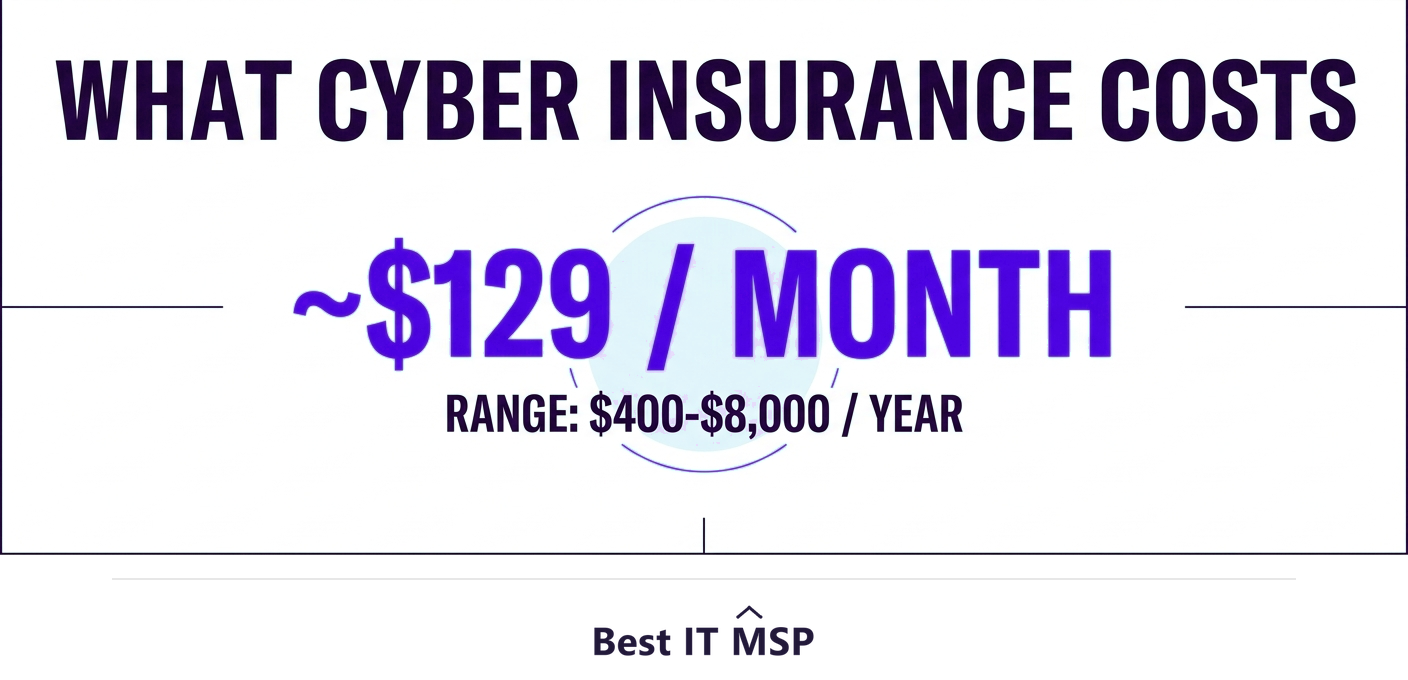
- Small businesses pay an average of about $129 a month for cyber insurance, roughly $1,500 a year.
- Premiums commonly range from a few hundred to several thousand dollars a year with risk and coverage.
- Cost is driven by revenue, industry, data sensitivity, coverage limits, and your security posture.
- Strong security controls (MFA, EDR, backups) can lower your premium and are often required to qualify.
- Weighed against an average breach cost in the millions, cyber insurance is inexpensive risk transfer.
How much does cyber insurance cost?
Cyber insurance is more affordable than most business owners expect, given what it protects against. Industry data puts the average small-business premium at about $129 a month, roughly $1,500 a year, though the real range is wide: many small businesses pay a few hundred dollars annually, while larger or higher-risk organizations pay several thousand. There is no single price because cyber insurance is priced to your specific risk, the more exposed you are and the more coverage you buy, the higher the premium. This guide explains the typical cost, what drives it up or down, and how to get the most coverage for your money.
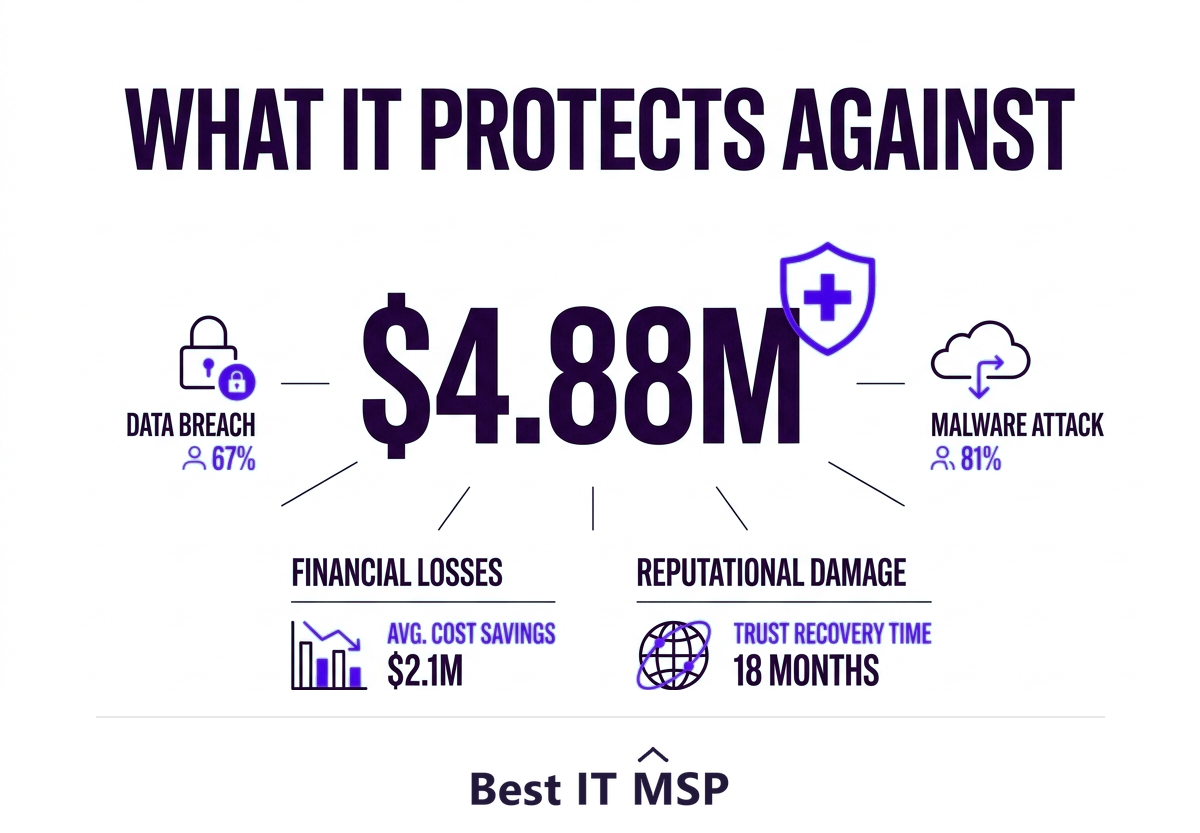
The context that makes these numbers look small is the cost of what they cover: the average data breach reached $4.88 million in 2024 and takes about 258 days to identify and contain, and reported cybercrime losses topped $12.5 billion in a single year. Against those figures, a four-figure annual premium is inexpensive risk transfer. This guide pairs with our cyber insurance coverage checklist and our cybersecurity services overview.
What drives cyber insurance premiums
Several factors determine where your premium lands within that range:
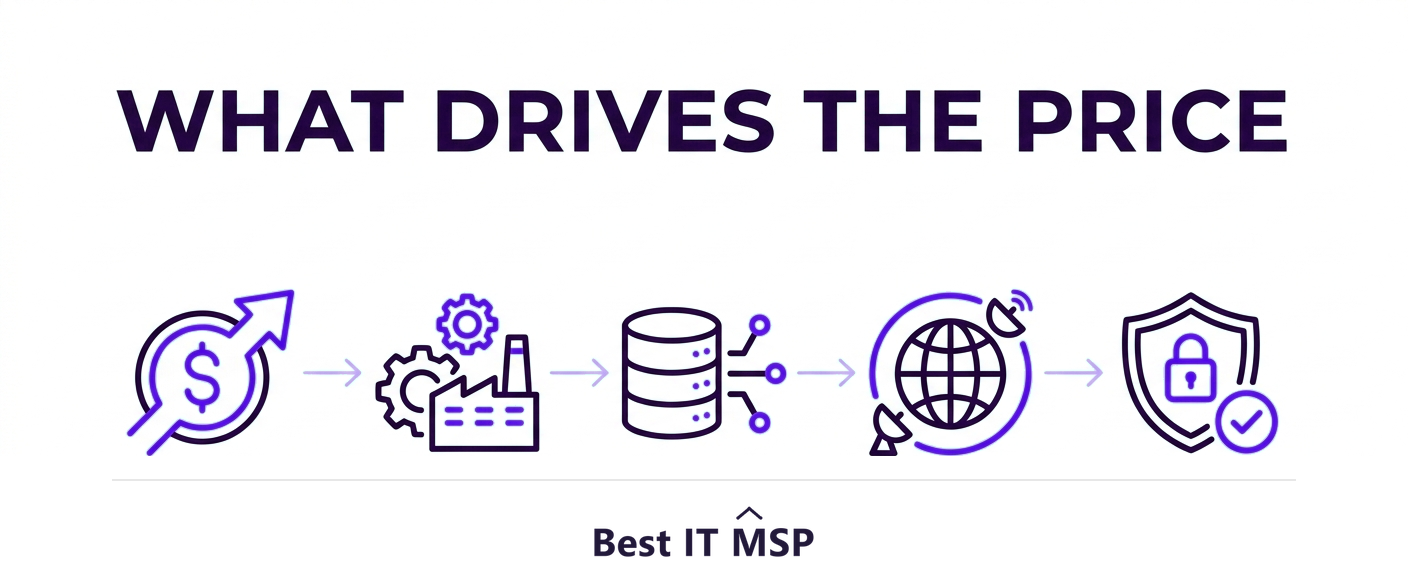
- <strong>Revenue and size.</strong> Larger businesses with more revenue and more data to lose pay more, because the potential loss is bigger.
- <strong>Industry.</strong> High-risk, heavily regulated sectors like healthcare and finance pay more, because they hold sensitive data and face strict rules.
- <strong>Data held.</strong> The volume and sensitivity of the personal, financial, or health data you store directly affects your exposure and price.
- <strong>Coverage limits and deductible.</strong> Higher coverage limits raise the premium; a higher deductible lowers it. You are balancing protection against cost.
- <strong>Security posture.</strong> This is increasingly decisive. Insurers assess your security controls, and weak security means a higher premium, or no offer at all.
Why your security posture moves the price
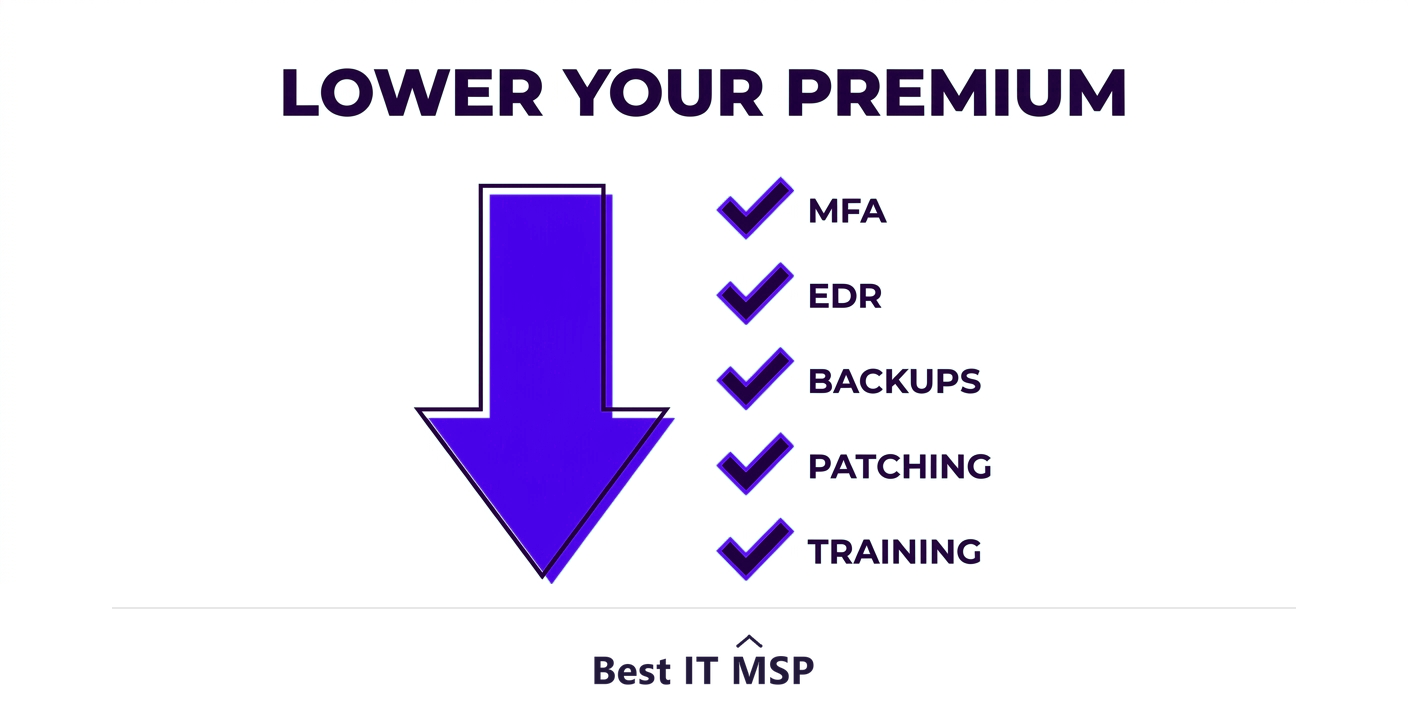
The biggest shift in cyber insurance pricing in recent years is how much your own security affects the cost. After paying out heavily on ransomware claims, insurers now scrutinize applicants' defenses and price accordingly. Demonstrating strong controls, multi-factor authentication, endpoint detection and response, tested backups, patching, and security training, can lower your premium and is often required just to get a policy. Conversely, missing those controls raises the price or makes you uninsurable. The human factor weighs heavily here, since the human element features in 68 percent of breaches, so insurers value training and access controls highly.
How to lower your cyber insurance premium
Because security posture drives price, the most effective way to reduce your premium is also the most useful: improve your security. Concretely, you can lower your cost by implementing the controls insurers reward, MFA everywhere, modern endpoint protection, tested backups, prompt patching, and staff training; documenting those controls clearly on your application; choosing a sensible deductible and right-sized coverage limits rather than over-buying; and working with a broker who understands cyber risk. The elegant part is that every step that lowers your premium also reduces your actual chance of a costly incident, so the spending does double duty.
How to get an accurate quote
Because the price depends on so many factors specific to your business, the only way to know your real cost is to get quotes. Work with a broker or insurer experienced in cyber risk, and be ready to answer detailed questions about your security, the controls you have in place, how you store and protect data, and your incident history. The more accurately you can document strong security, the better your quote, so it genuinely pays to prepare before you apply. Get quotes from more than one carrier, because the price to insure the same business can vary significantly between insurers. Above all, be scrupulously honest on the application: misrepresenting your controls to lower the premium can void a claim later, which defeats the entire purpose of buying coverage. A few weeks spent tightening security before you apply to insure the business often pays for itself in a lower rate and a smoother claim if you ever need one.
Is cyber insurance worth the cost?
For most businesses, the math is straightforward. A premium of a few hundred to a few thousand dollars a year is small against a potential loss in the millions, and small businesses are frequently targeted precisely because their defenses are often weaker. Beyond the direct payout, cyber insurance provides access to incident-response expertise, legal help, and recovery resources when you most need them, which a small business rarely has on call. The cost of being uninsured is not the premium you save; it is the existential risk you carry. For the price of a modest monthly bill, you transfer a catastrophic risk.
Insurance and security go together
The smartest approach treats cyber insurance and cybersecurity as a pair, not alternatives competing for budget. Strong security lowers your premium, often required to qualify, and reduces the chance you ever file a claim, while insurance backstops the residual risk that no security can fully eliminate. The same investment, in MFA, EDR, backups, and training, both protects you and saves you money on coverage. Building those controls takes expertise that is scarce amid a global shortfall of about 4.8 million cybersecurity professionals, which is why many businesses work with a managed provider to implement and document them, part of why the managed services market is projected to grow to about $879 billion over the next decade.
If you want to lower your premium and strengthen your defenses at the same time, a managed IT or security provider can put the required controls in place and help document them for your insurer. To find one, browse vetted, merit-ranked firms by city in the Best IT MSP directory, where ranking is earned on rating and verified data. (This is general information, not insurance advice; confirm specifics with a licensed broker.)
FAQ
How much does cyber insurance cost?
Small businesses pay an average of about $129 a month, roughly $1,500 a year, with premiums commonly ranging from a few hundred to several thousand dollars annually. There is no single price because cyber insurance is priced to your specific risk, driven by revenue, industry, the data you hold, your coverage limits, and your security posture.
What factors affect cyber insurance premiums?
The main factors are your revenue and size, your industry (high-risk regulated sectors pay more), the volume and sensitivity of data you hold, your coverage limits and deductible, and increasingly your security posture. Insurers now assess your security controls closely, so weak defenses raise the premium or can make you uninsurable.
How can I lower my cyber insurance premium?
Improve your security, which is what insurers reward: implement MFA everywhere, modern endpoint protection (EDR), tested backups, prompt patching, and staff training, then document those controls on your application. Also choose a sensible deductible and right-sized limits, and work with a broker who understands cyber risk. Every step that lowers the premium also lowers your real risk.
Why does my security affect my cyber insurance cost?
After heavy ransomware payouts, insurers now scrutinize applicants' defenses and price accordingly. Demonstrating strong controls like MFA, EDR, backups, patching, and training can lower your premium and is often required to get a policy at all, while missing them raises the price or makes you uninsurable. The human element features in 68% of breaches, so insurers value training highly.
Is cyber insurance worth the cost?
For most businesses, yes. A premium of a few hundred to a few thousand dollars a year is small against a potential loss in the millions, with the average breach costing $4.88 million, and small businesses are frequently targeted. Insurance also provides incident-response, legal, and recovery resources a small business rarely has on call, transferring a catastrophic risk for a modest cost.
Should I buy cyber insurance or invest in security?
Both, because they work together rather than competing. Strong security lowers your premium and reduces the chance you ever file a claim, while insurance backstops the residual risk no security can fully eliminate. The same investment in MFA, EDR, backups, and training both protects you and saves money on coverage, so they reinforce each other.
Best IT MSP is the independent directory of vetted managed IT and security providers across North America. Compare merit-ranked firms in your city that implement the controls insurers reward. No pay-to-play.